
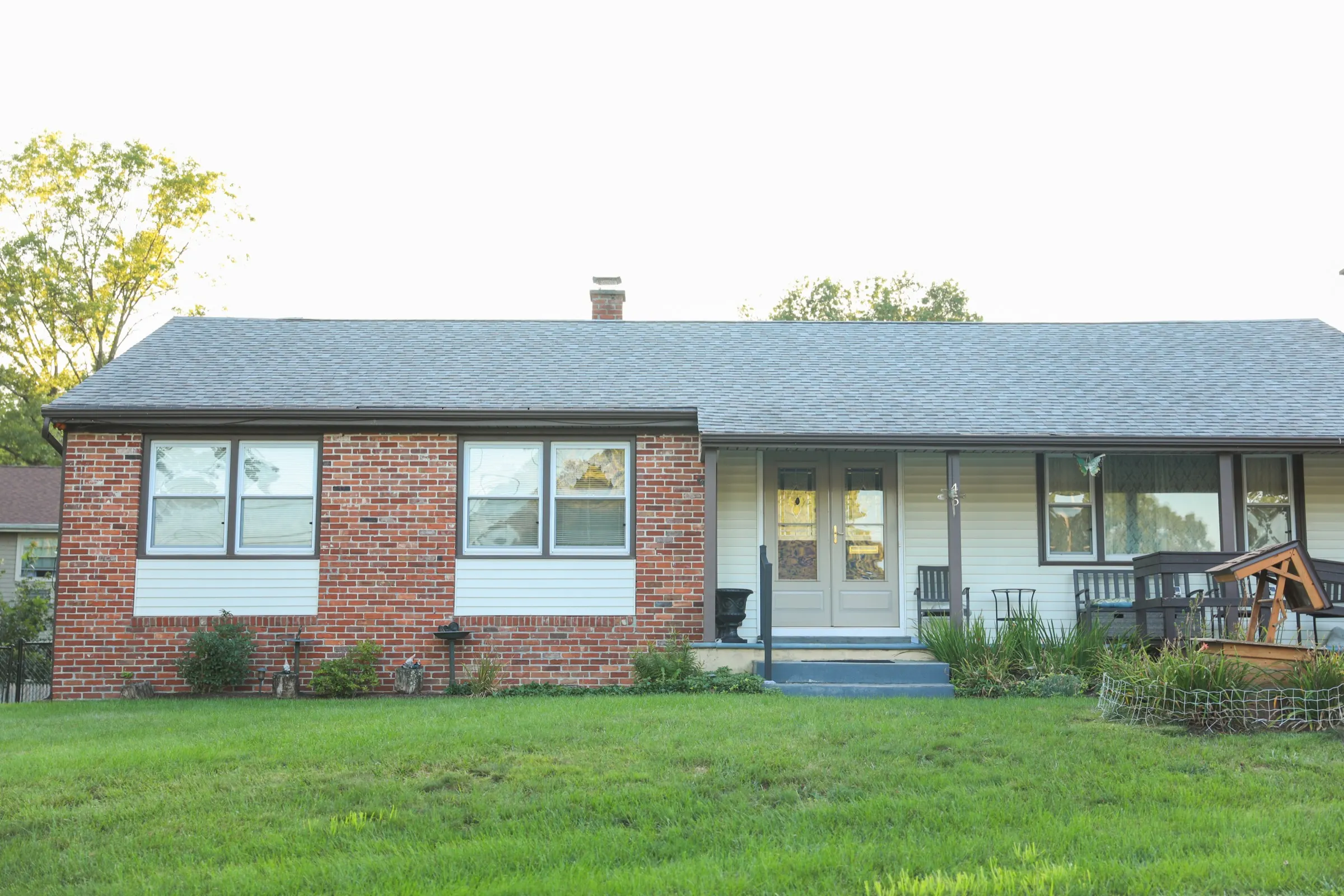
Foundation repair in Tyler, Longview & East Texas
Sabine Valley Foundation Repair helps homeowners in Tyler, Longview and across East Texas reach an independent local foundation specialist in Smith and Gregg counties for slab foundation repair, pier and beam repair, house leveling, foundation drainage and foundation inspections. The specialist inspects the house and takes floor elevation readings, then gives you the plan and the price in writing. Ask for both before you agree to anything.
Signs your home needs foundation repair
Foundation problems usually show up inside the house first. One small crack is normal; two or three of these together, or a crack that keeps growing, means it's time for a foundation inspection.
Sticking doors and windows
A door that closed fine in April and drags on the carpet by August is one of the most common signs around here. The frame is being pulled out of square as the clay under one corner dries out. Look at the gap above the door: if it's wider on one side, the house has moved.
Diagonal cracks in drywall
Check the top corners of interior doors and windows. A crack that runs up at an angle and is wider at one end usually means the framing has shifted. A straight hairline along a taped seam is more often just drywall shrinkage.
Stair-step cracks in brick
Brick veneer cracks along the mortar in a stair-step pattern when the slab edge under that wall drops or lifts. Run a finger across the crack. If one side sits proud of the other, that wall is worth a measurement.
Uneven or sloping floors
Roll a marble across the kitchen or lay a 4-foot level on the floor. On a pier-and-beam house, one soft or bouncy spot usually points to a settled pier or crushed shims, not the whole foundation.
Gaps at trim and baseboards
A baseboard lifting off the floor, or crown molding opening at a corner, means the floor or ceiling has moved against the wall. Gaps that open every summer and close every winter are following the clay as it dries and wets.
Cracked tile or slab
One hairline crack in a garage slab is normal concrete shrinkage. Tile cracking in a straight line across a room, or a slab crack wide enough to slip a coin into, means the concrete underneath has moved.
Two or three of these signs together is the point to get the house looked at. Acting early keeps foundation repair smaller and less expensive. Movement that's left alone tends to turn into structural damage to framing, plumbing and finishes. See every warning sign
Get a call backFoundation repair services for East Texas homes
East Texas homes sit on a mix of sandy loam and clay soil that moves with the seasons, so foundation problems here take more than one kind of fix. Whether you need foundation repair in Tyler, in Longview or in a small town between them, local foundation specialists offer the full range of residential foundation repair services, matched to the way each house is built.
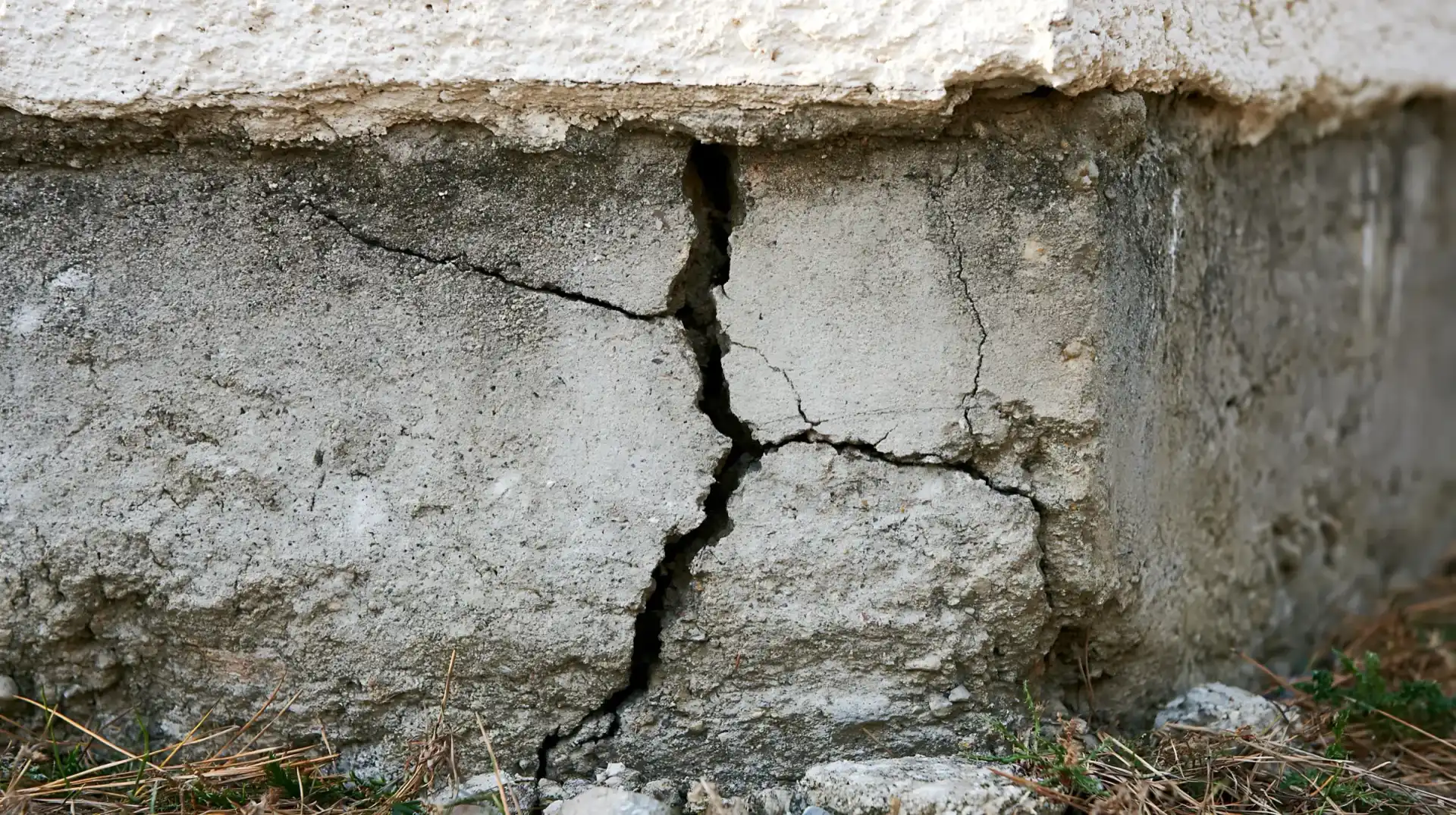
Slab foundation repair
Newer homes around Tyler and Longview mostly sit on a concrete slab. When one side drops, steel or pressed concrete piers are driven down to firm soil, the slab is lifted back toward level, and the plumbing is pressure-tested before and after.
Slab foundation repair in East Texas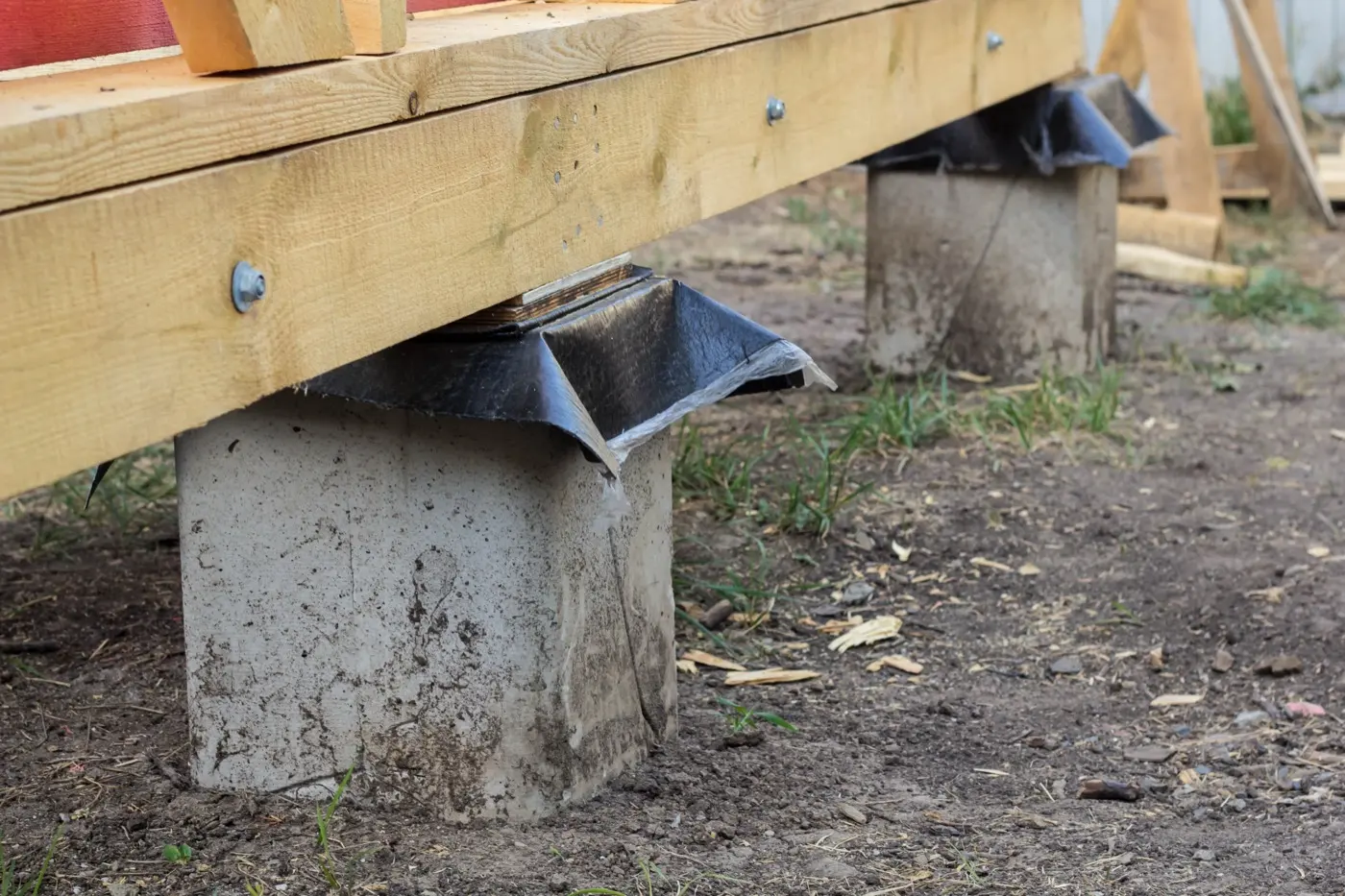
Pier and beam foundation repair
Older homes near downtown Tyler and central Longview often stand on piers over a crawl space. The usual fixes are re-shimming loose supports, adding piers or adjustable steel posts, and replacing beams or sills that have rotted.
Pier and beam repair options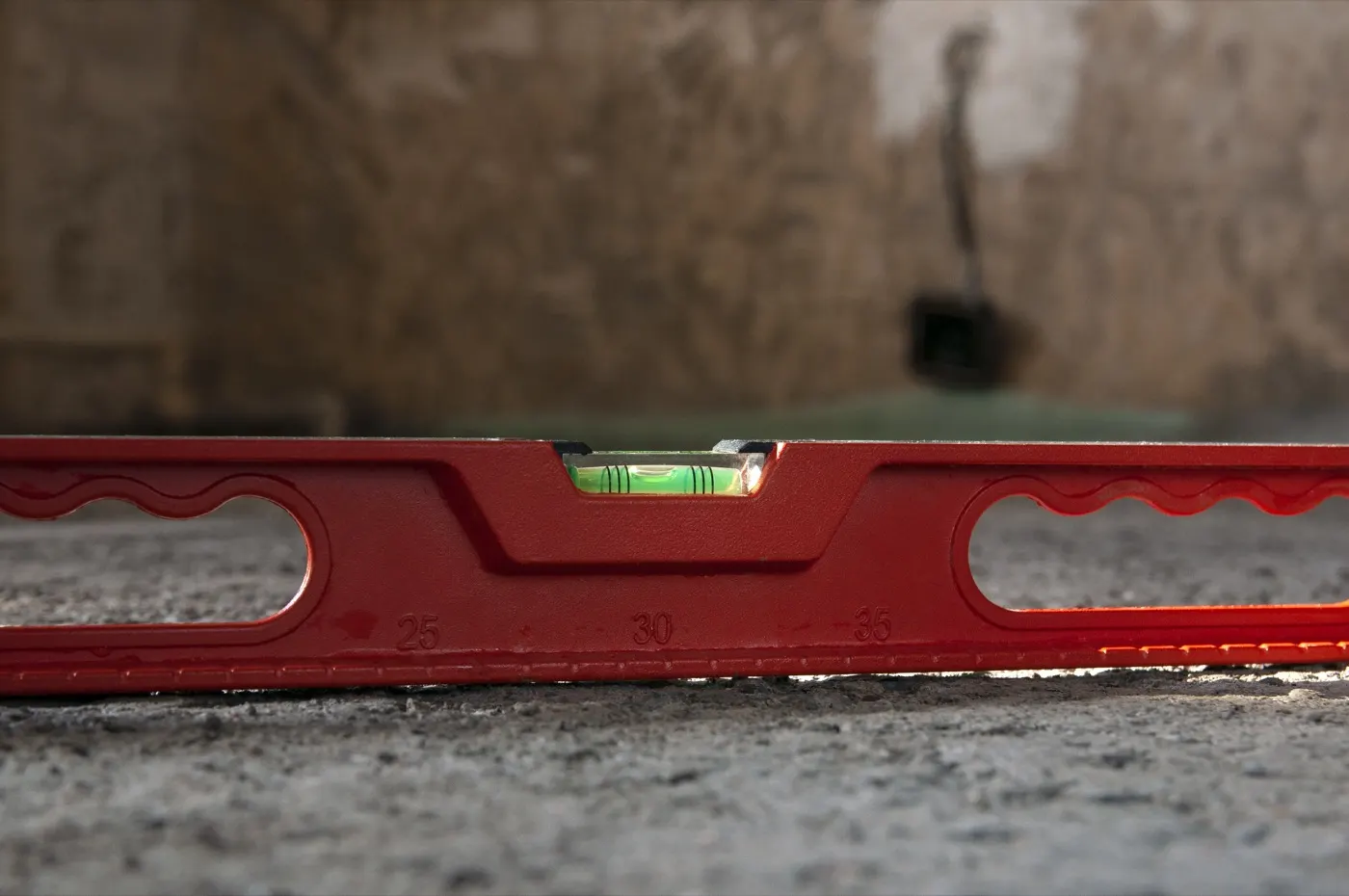
House leveling
Leveling is done a fraction of an inch at a time, with floor readings taken before and after. A careful crew won't force a house that was built out of level, because that cracks more than it fixes.
How house leveling works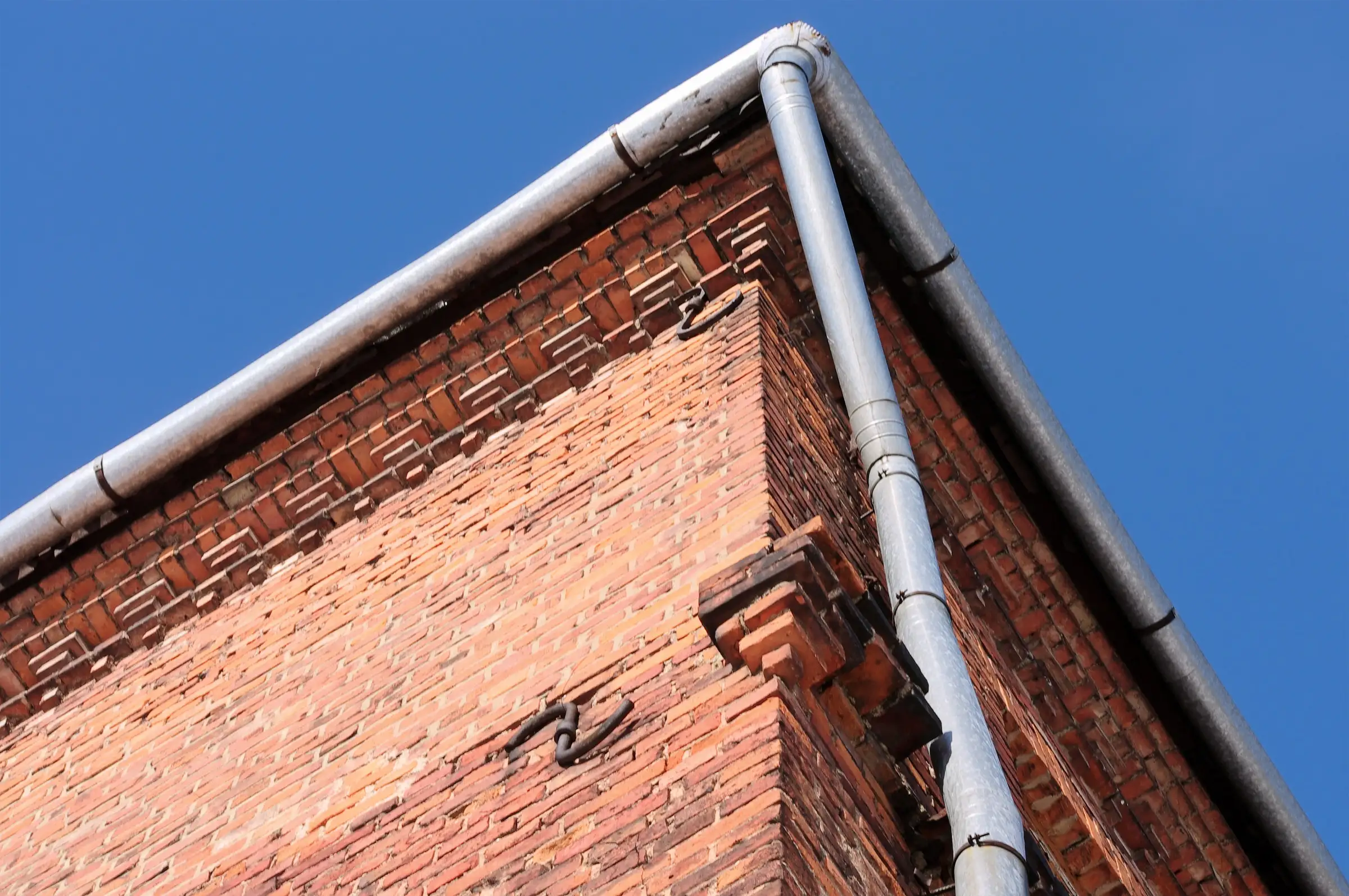
Foundation drainage solutions
A downspout dumping water at one corner can move a foundation on its own. Extensions, regrading and French drains even out the moisture around the house, and on some homes that's the whole repair.
Foundation drainage solutions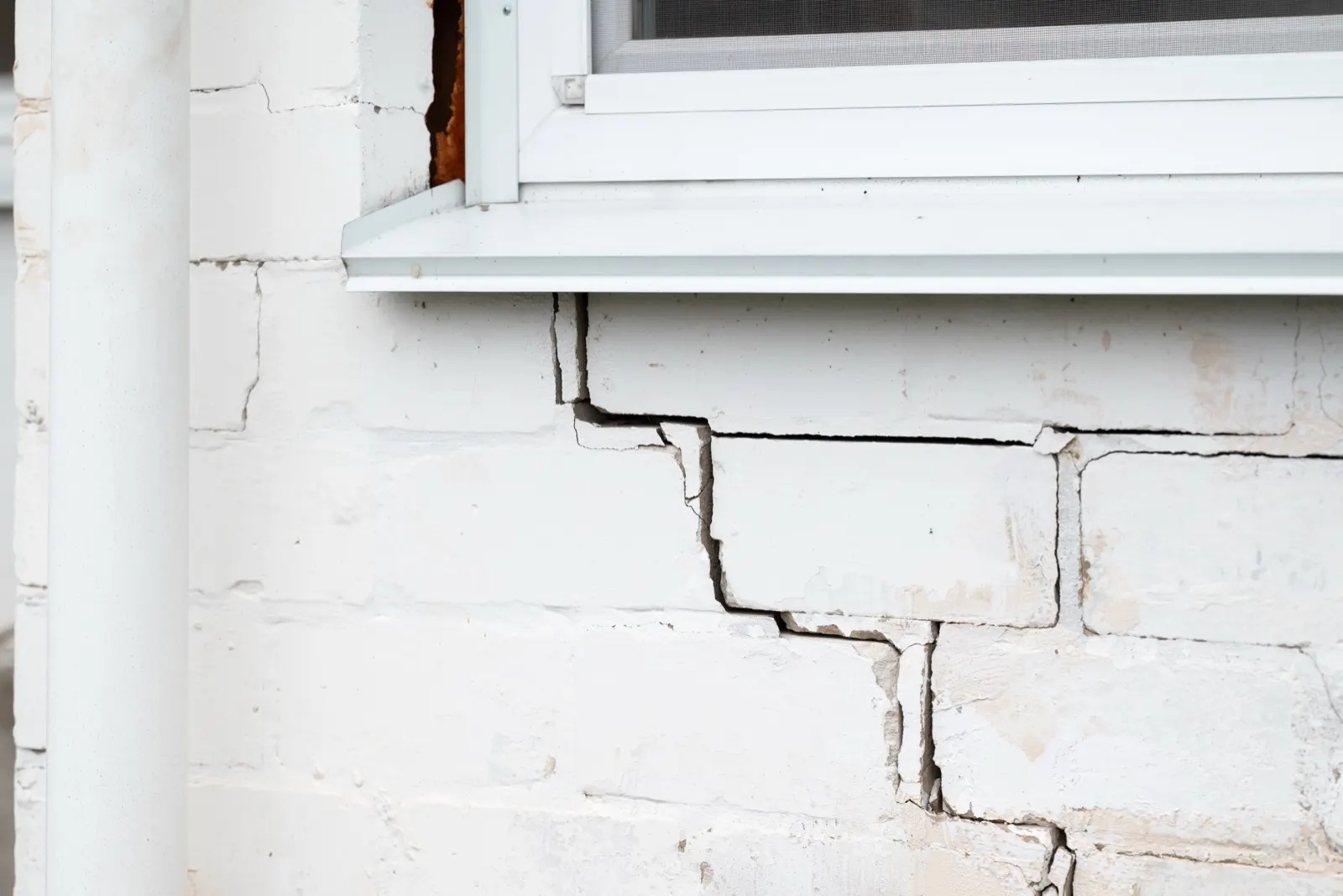
Foundation crack repair
Patching a crack without stopping the movement behind it just means patching it again next summer. The specialist works out which cracks are shrinkage and which ones say the house is still moving.
Which foundation cracks matter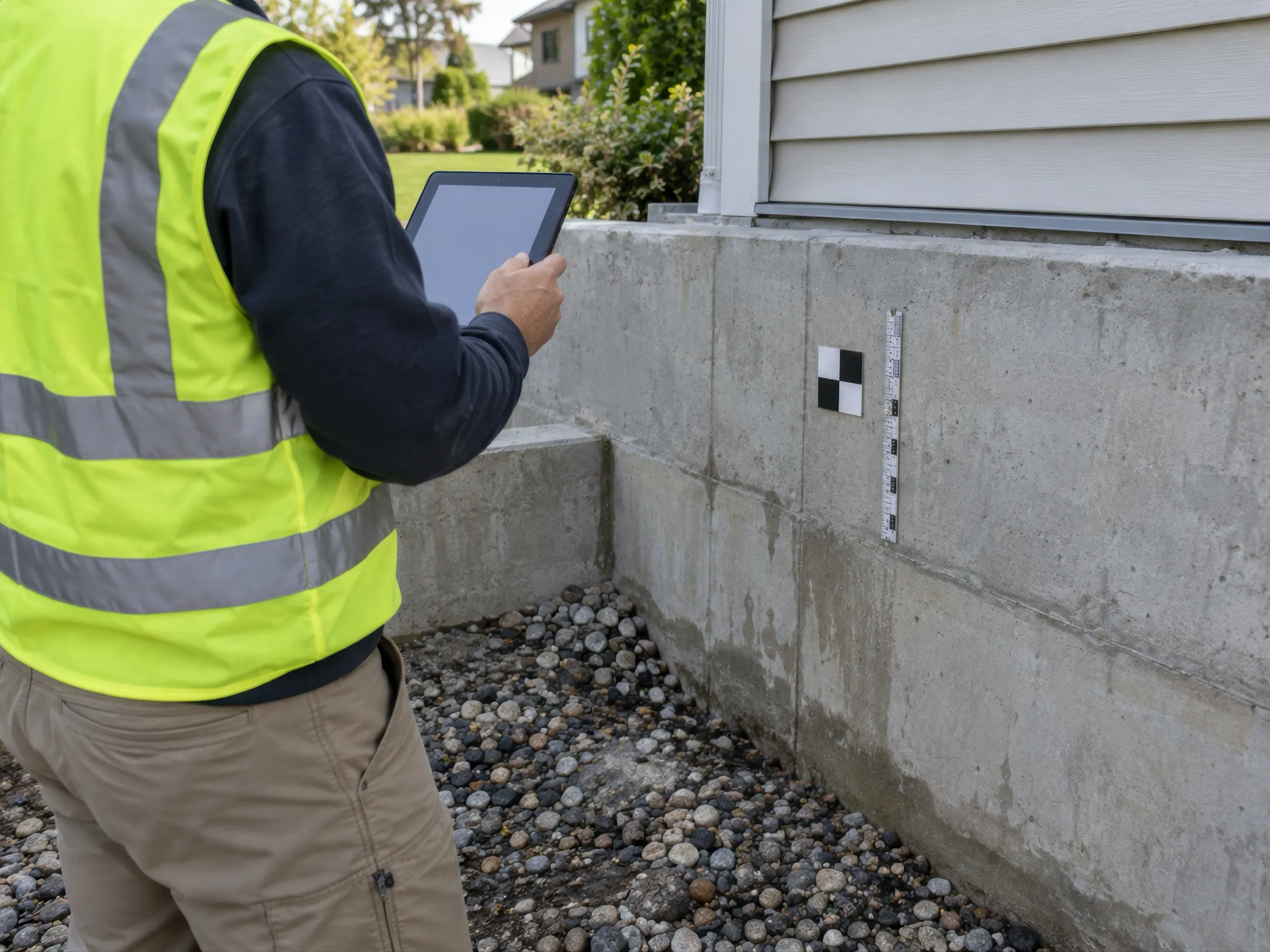
Foundation inspections
Every repair starts here: elevation readings across the whole floor, a look at drainage and the crawl space, and a written plan. It's also the right first step when a buyer's inspector flags the foundation.
What a foundation inspection covers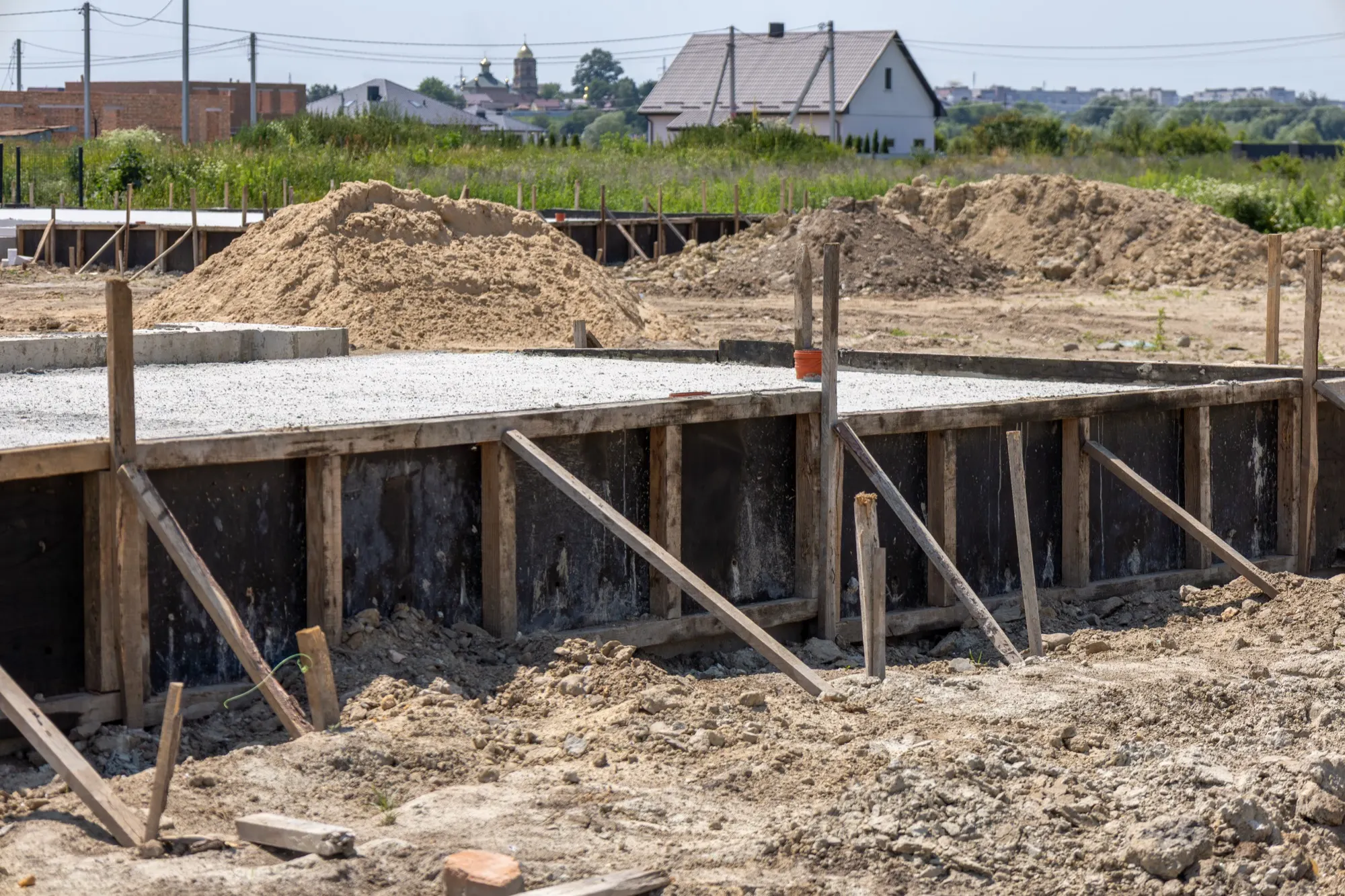
What to expect when you work with us
Here's what a good repair includes, from the first call to the final walkthrough. Ask the specialist for each of these in writing.
- 1
Thorough on-site inspection
A local foundation specialist checks the house inside and out, takes floor elevation readings, and looks at drainage, soil and the crawl space.
- 2
Findings explained in plain English
What's moving, why it's moving and how serious it is, with the readings to back it up. No jargon, no scare tactics.
- 3
Responsible repair recommendations
- Based on a proper evaluation, not guesswork
- Fitted to your home's structure and East Texas soil
- Drainage or a simple adjustment when that's all it takes
- 4
Written estimate before work begins
The plan, where piers go and why, the price and the warranty terms, in writing, so you can compare or get a second opinion. Warranties vary by company, so read the terms.
- 5
Permits, tests and fresh readings
Ask about a city permit where one is required, a call to 811 at least 48 hours before digging, plumbing tests before and after leveling, and new elevation readings at the end.

Why East Texas homeowners choose Sabine Valley Foundation Repair
Six reasons homeowners in Tyler, Longview and the towns between start here.
Local to Tyler and Longview
The specialist who comes out works Smith and Gregg counties and the towns between them, so they already know the ground around Tyler and Longview.
East Texas soil know-how
Most lots here are sandy loam over a clay subsoil that can be 45 to 60 percent clay, and the Sabine River bottoms move even more. A good repair plan accounts for that ground.
Honest, right-sized repairs
Plenty of houses here need a few shims or a downspout moved, not 30 piers. Ask whether drainage alone could fix it. A good specialist will tell you when piers aren't needed.
Everything in writing
Elevation readings, the repair plan, the price and the warranty terms, on paper before you sign anything.
Slab and pier and beam experience
The median home in both Tyler and Longview was built in 1978, so slab and pier-and-beam houses often sit on the same street. Each one needs the fix that suits it.
Second opinions welcome
Holding a quote that seems too big? Have the house measured again before you sign. A second set of readings costs far less than piers you didn't need.
What affects the cost of foundation repair in Tyler and Longview
Foundation repairs often cost less than people fear, and some homes only need drainage work or a few shims. The real price comes from an inspection. Ask for it in writing before any work starts.
The foundation type decides the repair method, and that's the biggest part of the price.
One settled corner is a much smaller job than a whole side of the house.
How deep firm soil sits, and whether work happens outside, inside or in a crawl space.
Fixing a leak or a drainage problem is part of making the repair last.
East Texas clay, heat and rain: why foundations move
Foundation problems here come down to clay soil and water. The most common soil in Smith and Gregg counties has a sandy surface over a clay subsoil that can be 45 to 60 percent clay. It swells when wet and shrinks when dry, and the foundation moves with it.
Foundation repair in Tyler, Longview and nearby towns
Picking a foundation repair company is hard when every quote looks different. Local foundation specialists cover East Texas foundation repair in both cities, in Kilgore and in the Smith and Gregg county towns along the I-20 corridor.
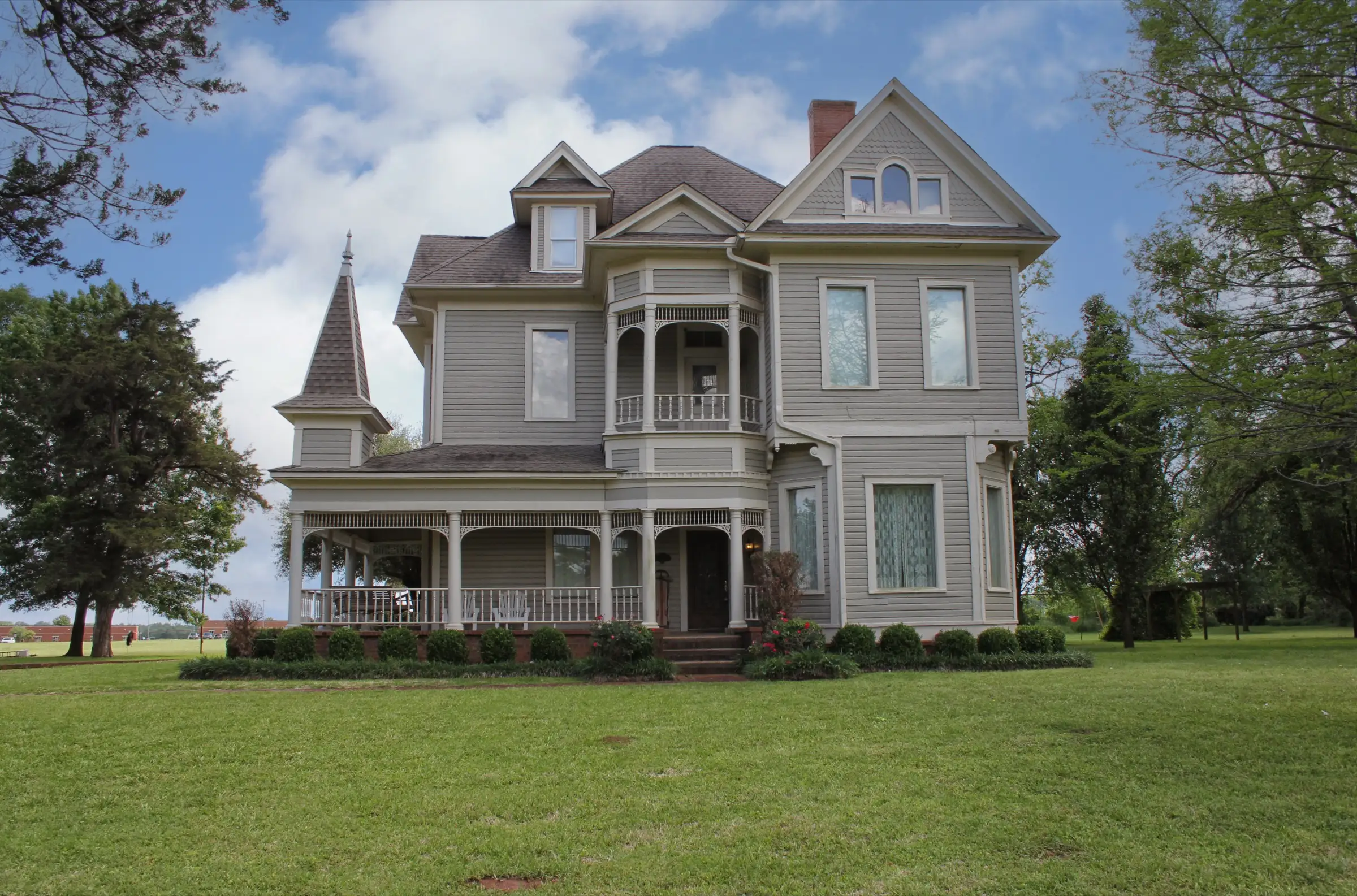
Foundation repair in Tyler, TX
From older homes near the Brick Streets and Charnwood historic districts to newer slab homes toward Whitehouse and Lindale.
Foundation repair in Tyler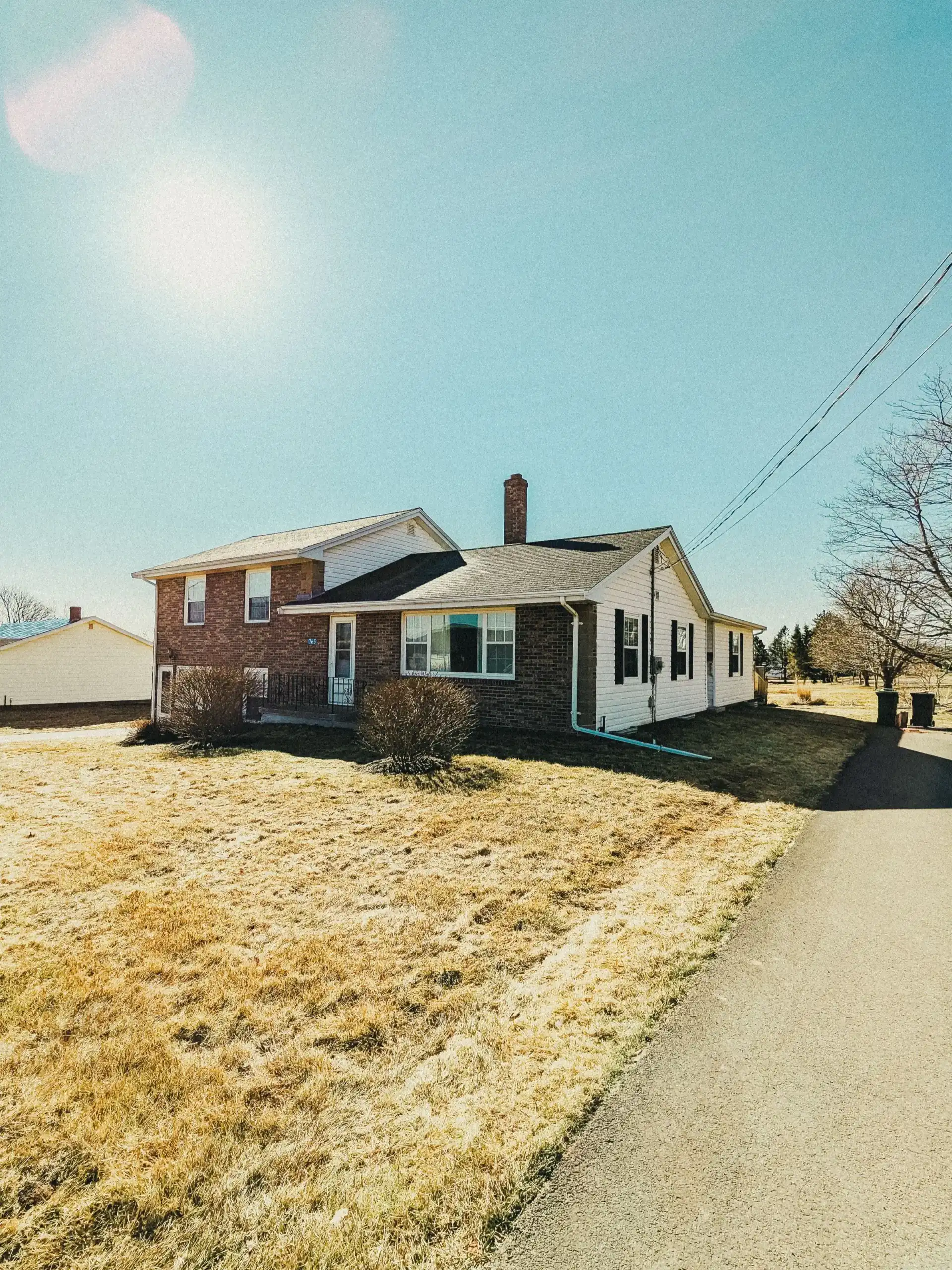
Foundation repair in Longview, TX
Oil-boom era neighborhoods and newer subdivisions, with low ground toward the Sabine River making drainage part of many jobs.
Foundation repair in LongviewFoundation repair FAQs
Describe what you're seeing and a local foundation specialist will tell you whether it needs an inspection.
(903) 522-4592Get a call backHow do I know if I need foundation repair?
Look for patterns: sticking doors, diagonal drywall cracks, stair-step cracks in brick and uneven floors, especially if they're getting worse. A foundation inspection with elevation readings tells you for sure.
How much does foundation repair cost in East Texas?
It depends on the foundation type, how much the house has moved, the soil and access. Repairs often cost less than people expect, and some homes only need drainage work. Ask the specialist for the exact price in writing after the inspection.
Can I stay in my home during foundation repair?
Usually, yes. Most slab and pier and beam work happens outside the house or in the crawl space. Expect some noise and digging, and take pictures off the walls before the house is leveled.
Will the cracks close after my house is leveled?
Many cracks narrow as the house comes back up, but not every crack closes completely. Patching and paint usually follow the repair.
Does homeowners insurance cover foundation repair in Texas?
Usually not for settling or soil movement. The Texas Department of Insurance says damage from a sudden and accidental plumbing leak can be a different case, depending on your policy.
How long does foundation repair take?
Many jobs take a few days once permits are in place. Larger slab jobs, or pier and beam work that uncovers rot, can take longer.