
- Home
- Tyler, TX
Foundation Repair in Tyler, Texas
Sabine Valley Foundation Repair helps homeowners get foundation repair in Tyler, TX, from historic pier and beam houses near downtown to newer slab homes in south Tyler and across Smith County. We connect you with local foundation repair contractors for slab foundation repair, pier and beam foundation repair, house leveling and drainage. The specialist starts with an on-site inspection and floor elevation readings. The estimate comes from them in writing before any work begins.
Foundation repair services in Tyler, TX
Looking for a foundation repair company in Tyler? A local specialist starts with an on-site inspection and floor readings. Ask for the plan and price in writing before anything starts. These are the services local specialists provide across Tyler and Smith County.
Slab foundation repair in Tyler
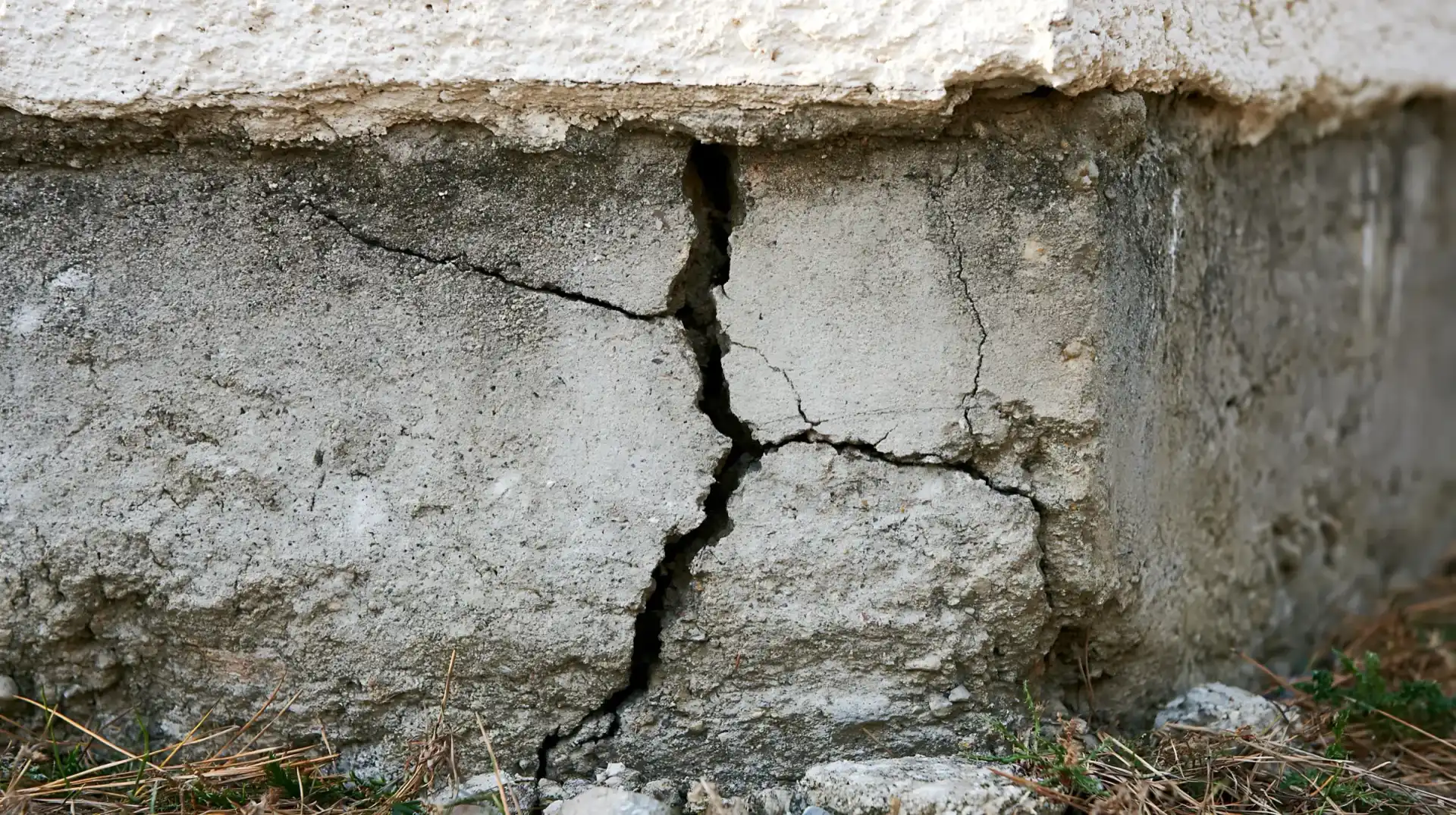
For the city's slab homes from the 1960s on: piers driven to firm soil under the part of the slab that has settled, then a measured lift.
Slab foundation repair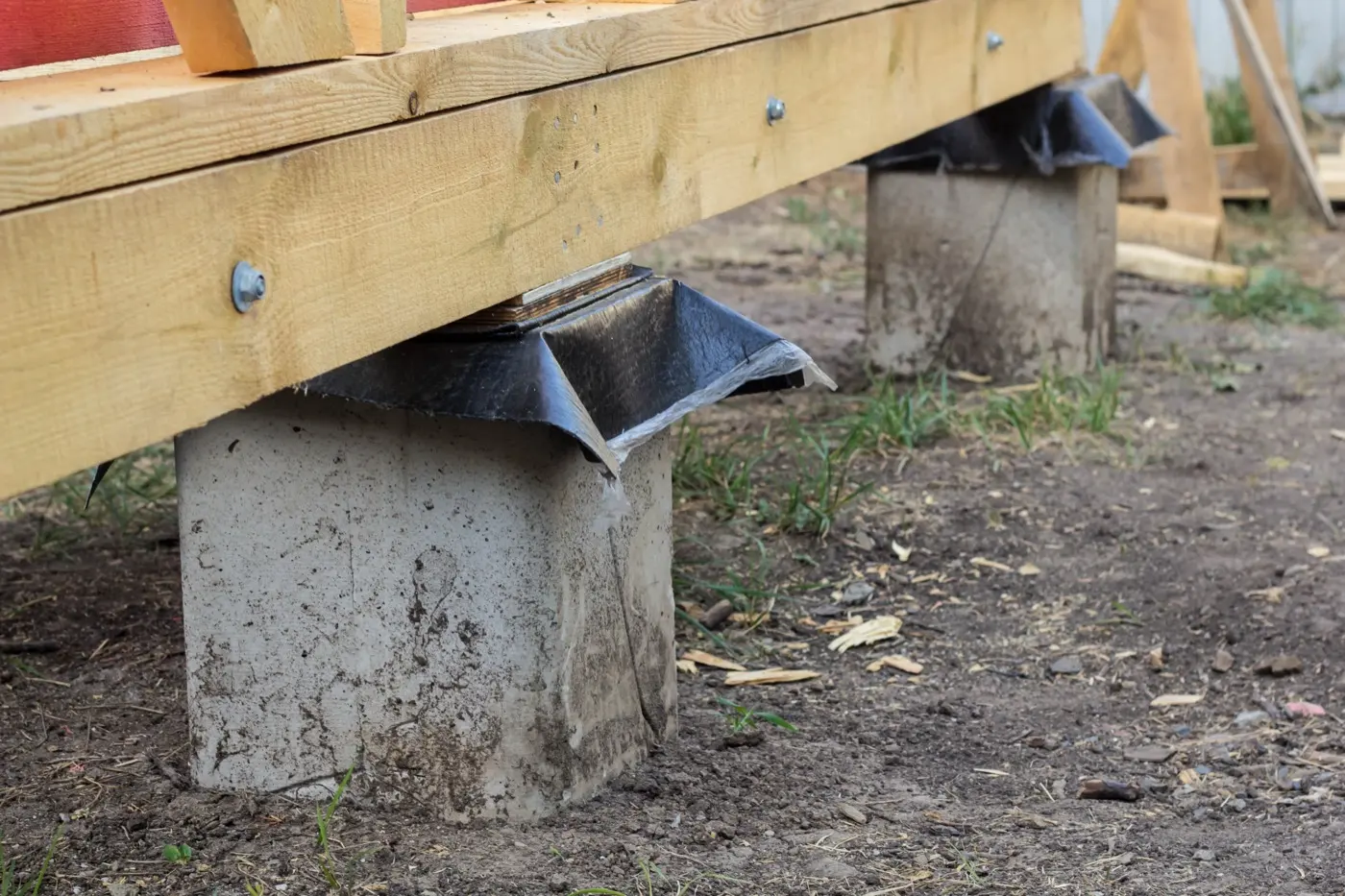
Pier and beam repair in Tyler
For older homes near downtown and inside Loop 323: re-shimming, new supports and rotted sill and beam replacement.
Pier and beam repair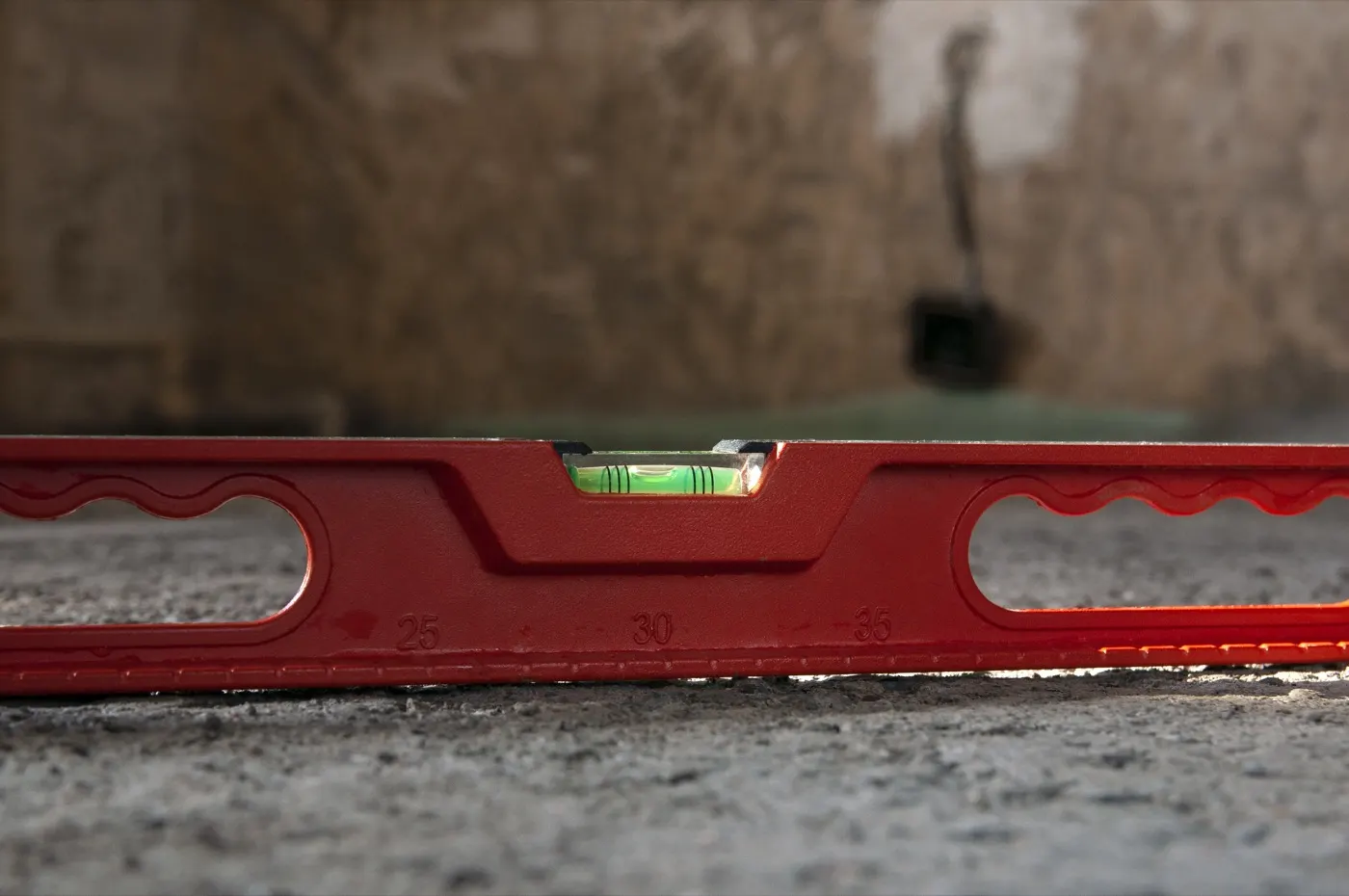
House leveling in Tyler
House and foundation leveling for sloping, uneven floors, measured room by room before and after.
House leveling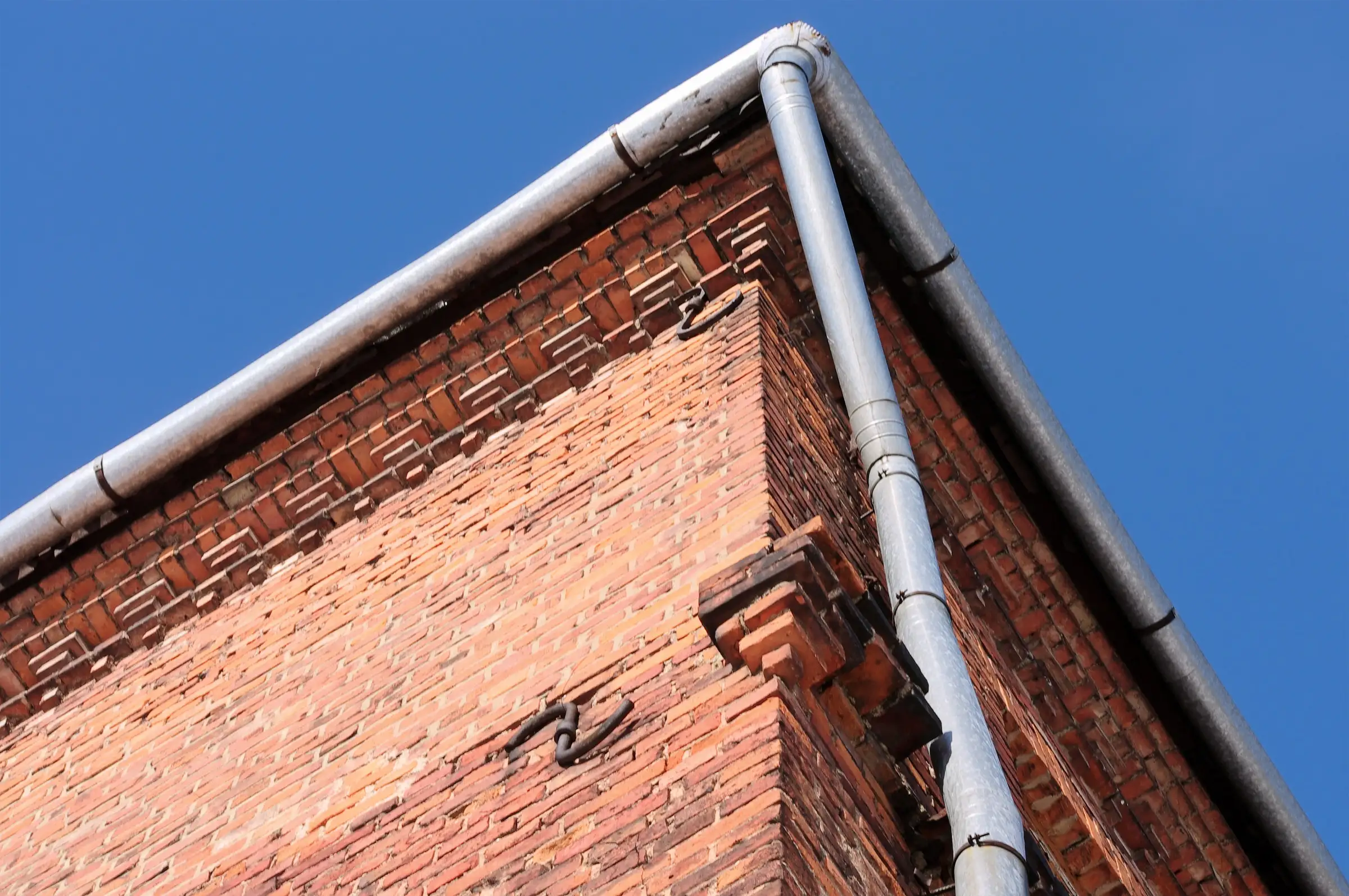
Foundation drainage in Tyler
Downspout extensions and French drains for lots that send water back toward the house.
Foundation drainage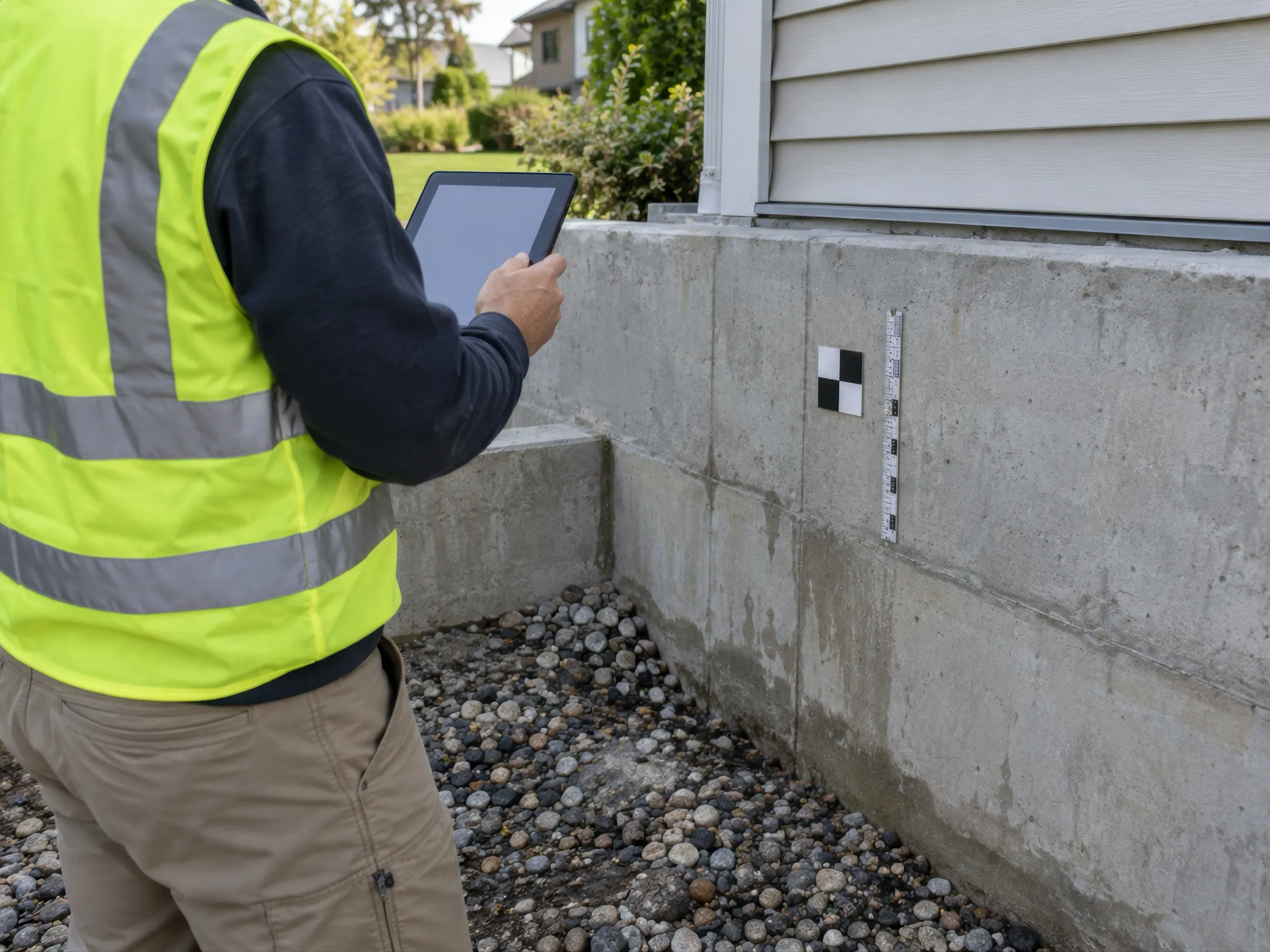
Foundation inspections in Tyler
Floor readings and a clear yes or no on repair before you sell or sign a quote. Buying? It's a specialist's evaluation, not a TREC home inspection.
Foundation inspectionsCracks, doors or floors bothering you? Tell us what you've noticed and we'll pass it to a local specialist. Expect a call back, usually within one business day.
(903) 522-4592Get a call backTyler homes and the foundations under them
The age of a Tyler house says a lot about what's under it. About a quarter of the city's homes were built before 1960, when pier and beam was common, and most of what came after sits on a concrete slab. The citywide median home was built in 1978.
| When it was built | Share of Tyler homes | Where you'll find them and the likely foundation |
|---|---|---|
| Before 1940 | 5.3% | Brick Streets and Charnwood historic districts near downtown; mostly pier and beam |
| 1940 to 1959 | 21.0% | Older neighborhoods inside Loop 323; pier and beam and early slabs |
| 1960 to 1979 | 26.3% | Ranch-style neighborhoods inside and just outside Loop 323; mostly slab |
| 1980 to 1999 | 21.0% | South Tyler and out toward Loop 49; slab |
| 2000 and later | 26.4% | Newer subdivisions in south Tyler and the edges of the city; slab |
Source: US Census Bureau, American Community Survey 2020-2024, Tyler city. Foundation types are typical for each era, not a rule for every house. The oldest area, census tract 5 near downtown, has a median home built in 1939 or earlier, with 86% built before 1960.
Common foundation problems across Tyler
Tyler is the Rose City of East Texas, and its houses span almost a century. The repair a house needs usually follows where and when it was built. These are the patterns local specialists run into most.
What Tyler's weather does to the ground
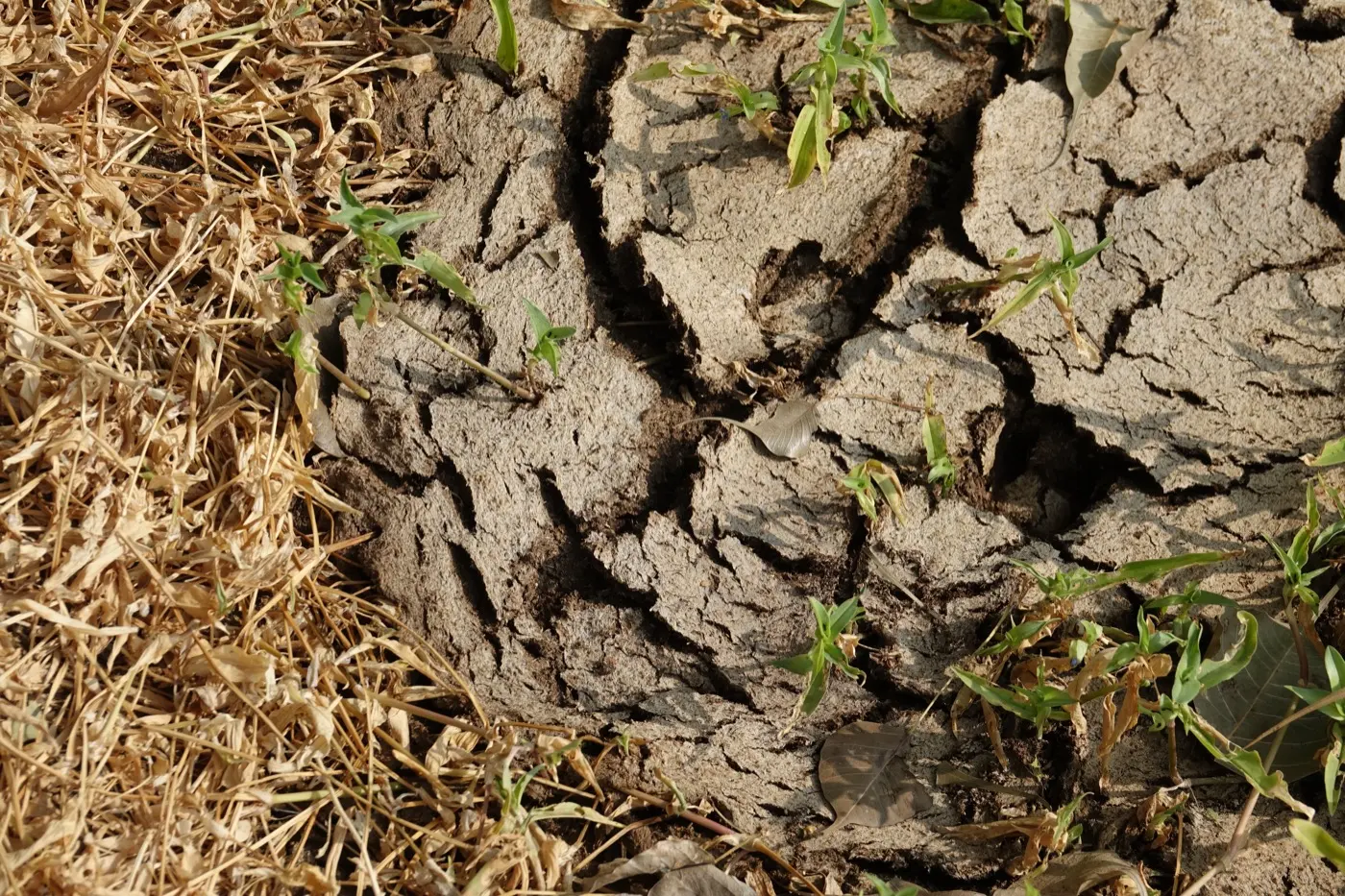
East Texas clay shrinks when it dries and swells when it gets wet. The weather here gives it lots of both, and the hardest years leave a wave of new cracks behind them.
Plenty of Tyler homeowners first spotted their cracks after the 2011 drought or the February 2021 freeze. Long dry spells shrink the clay away from the slab edge, and hard swings in weather are when a lot of Tyler foundation movement starts.
Soils around Tyler
Most of the hills around Tyler are Cuthbert and Kirvin soils: a sandy loam on top with a clay subsoil underneath that can be 45 to 60 percent clay. They're rated moderate for shrink and swell, so most houses move a little every year.
The bigger movers are the heavy clays in the low ground, like the Gladewater clay along the Sabine River bottoms north of town, which can crack open up to 2 inches wide when it dries out. Big oaks and pines close to a house add to it by pulling moisture from one side.
You can look up the soil under your own lot in the free USDA Web Soil Survey.
Permits and digging inside city limits
- Permits. Tyler's building code requires a permit to repair a building, and the city has used the 2021 International Residential Code since January 1, 2024. There's no separate foundation-repair rule published, so ask your contractor to pull the permit. Questions go to Tyler Development Services, 423 W. Ferguson St., (903) 531-1151, weekdays 7:30 a.m. to 4 p.m. Permits are filed and inspections booked through the city's eTRAKiT portal. Review of a house permit takes about five business days. The permit is good for six months.
- Historic homes. Brick Streets, Charnwood, Azalea and Tyler's other historic districts have an extra step. Any change to the outside of the house needs a Certificate of Appropriateness from the city's Planning Department, and it comes before the building permit. If the repair touches the brick, skirting or porch, call Planning at (903) 531-1175 first.
- Call 811 first. Pier holes run deeper than 16 inches, so state law wants 811 notified two working days ahead, and that goes for homeowners too. The locators paint the utility company's lines only. Your sprinkler pipe and the sewer line out to the street are yours to find.
- Floodplain and drainage. Inside city limits, work in a mapped floodplain needs a floodplain development permit, and the city hosts the FEMA flood maps. Water from a street or public ditch backing toward your house is a call for Street and Stormwater at (903) 531-1393.
- Outside city limits. Smith County generally doesn't issue building permits for repairs outside city limits, but HOA, floodplain or septic rules can still apply.

Get the house measured before you get a price
Local specialists serve Tyler, Whitehouse, Lindale and the rest of Smith County. Floor readings show exactly what has moved and by how much.
Foundation repair near Tyler
The same local specialists work the towns around the city. Most homes out here are newer slabs, so the work leans toward slab repair and drainage.
Slab foundation repair and drainage for the newer subdivisions south of the city, where graded lots often send water back to the house.
Slab repair, inspections and builder-warranty questions for the fast-growing neighborhoods north on US 69.
Slab and pier and beam repair, house leveling and drainage for homes south of Loop 49.
Tyler foundation repair questions
Talk it through with a local foundation specialist. We'll call you back, usually within one business day.
(903) 522-4592Get a call backDo I need a permit for foundation repair in Tyler?
Tyler's building code requires a permit to repair a building, and the city adopted the 2021 International Residential Code on January 1, 2024. There is no separate foundation-repair rule published, so ask your contractor to pull the permit and confirm with Tyler Development Services at (903) 531-1151.
My older Tyler home has sloping floors. Is that normal?
Many older Tyler homes, especially pier and beam houses near downtown, have some slope from decades of settling or from how they were built. If the slope is getting worse, or floors feel soft and sag between rooms, have the crawl space checked. Sagging floors over a crawl space are usually a support problem, not the whole foundation.
Why do my doors stick every summer and loosen in winter?
That's the clay under the house drying out in Tyler's long, hot summers and swelling again with winter and spring rain. Some seasonal movement is normal. Cracks that keep growing or doors that stay stuck year-round are worth an inspection.
I'm selling my house in Tyler and the buyer's inspector flagged the foundation. What now?
Get a foundation inspection with full elevation readings before you negotiate. Many houses here are a little out of level from the day they were built, and the readings show whether the house has actually moved and whether any repair is needed.
Do you cover homes outside Tyler city limits?
Yes. Local specialists cover the area around the city, including Whitehouse, Lindale, Bullard and the lake communities in the rest of Smith County. Outside city limits the county usually doesn't require a building permit for repairs, but HOA, floodplain or septic rules can still apply.