
- Home
- Pier and beam repair
Pier and Beam Foundation Repair in Tyler, Longview & East Texas
For older homes in Tyler, Longview and the rest of Smith and Gregg counties, Sabine Valley Foundation Repair helps homeowners find pier and beam and crawl space foundation repair. The repair fixes the piers, shims, beams and floor framing under the house, so sagging, bouncy and sloping floors come back toward level. A local pier and beam specialist goes under the house, finds what failed, and puts the plan and price in writing first.
How a pier and beam foundation holds up your house
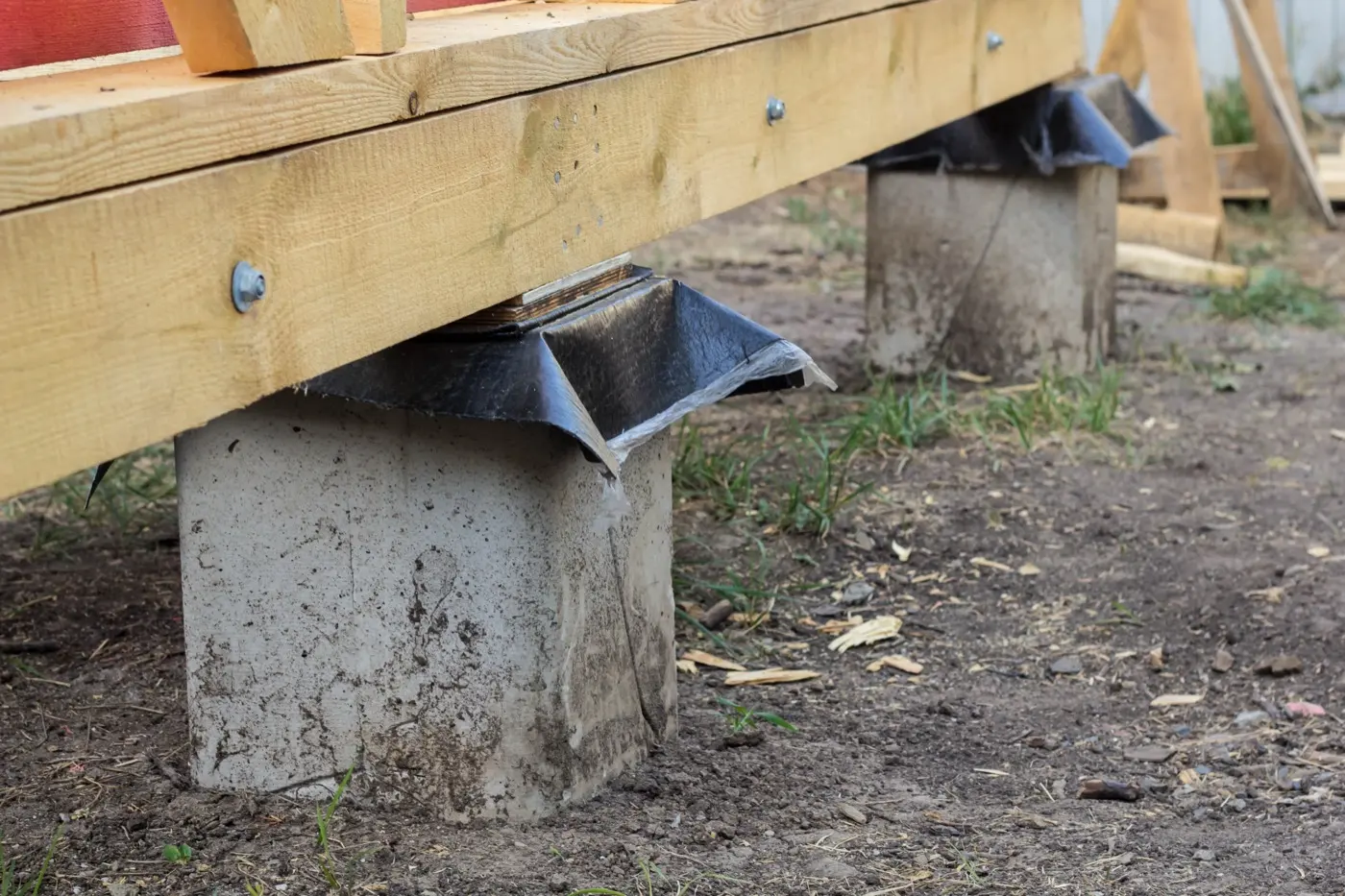
A pier and beam foundation lifts the house off the ground. Concrete, brick or block piers sit on the soil, wood or steel beams run across the piers, and the floor joists sit on the beams. Around the outside, a brick or concrete stem wall closes in the crawl space and often carries the outer edge of the house.
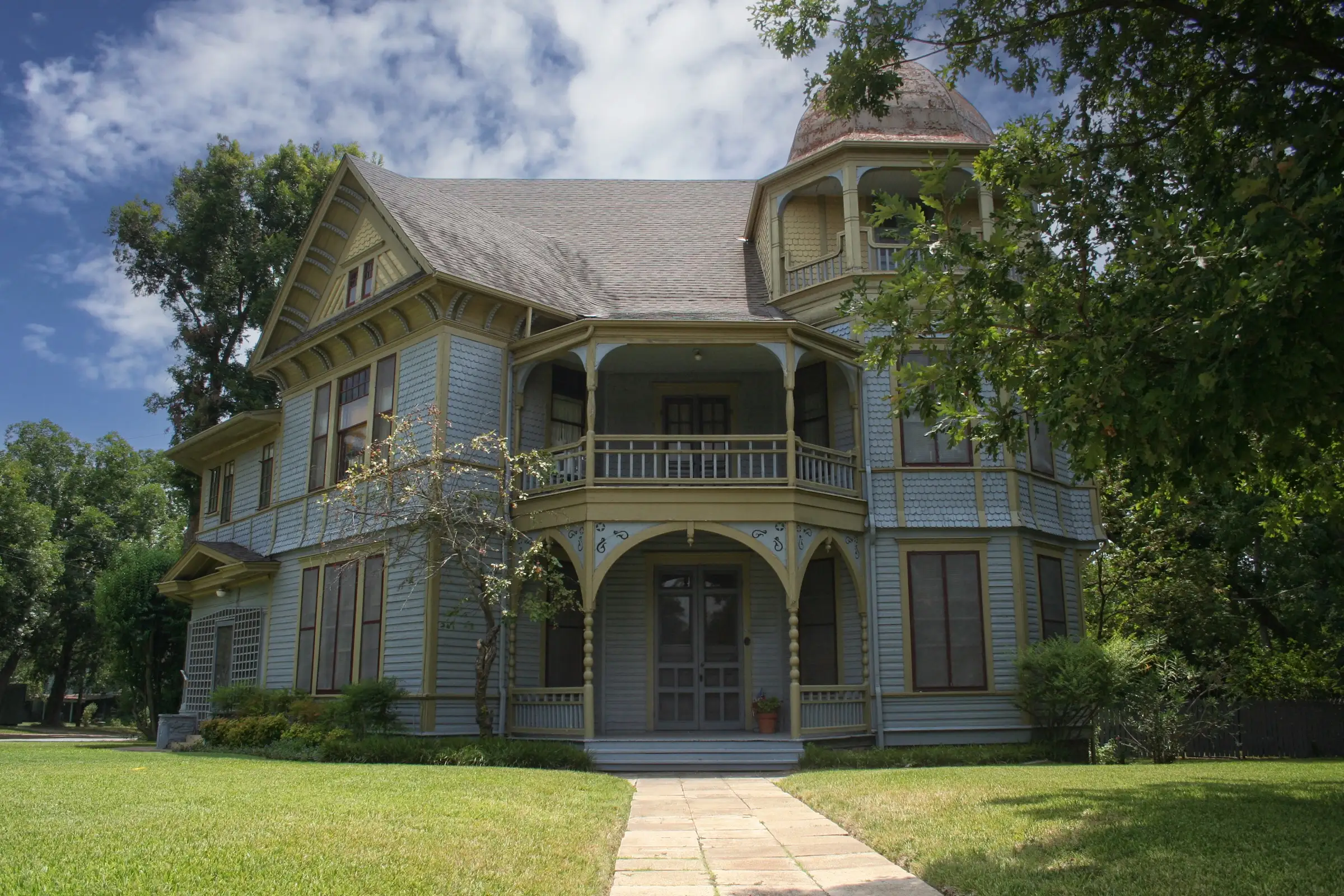
That design is common in older parts of East Texas: the Brick Streets and Charnwood historic districts in Tyler, and central Longview and Greggton, where much of the housing went up during and after the 1930s oil boom. Newer neighborhoods toward Whitehouse, Lindale and Hallsville are mostly slab.
The upside is access. Every pier and beam can be reached, adjusted and replaced from the crawl space, so most repairs don't touch the inside of the house.
Signs your pier and beam foundation needs repair
Pier and beam foundation problems show up as sagging floors and uneven floors first. One squeaky board is normal. A floor that sags, bounces or slopes, together with doors that drag, means something under the house has given way.
Sagging or bouncy floors
Sagging floors in a hallway, or a spot that gives under your feet, usually mean a pier has settled or the shims on top of it have crushed.
Floors sloping toward an outside wall
If you feel like you are walking downhill toward one side of the house, the perimeter wall or the piers along it have dropped.
Doors and windows that drag
Frames go out of square as the floor framing sags. Doors that stick in one part of the house point to the supports under that room.
Gaps under baseboards
The floor pulls down and away from the wall, leaving a gap you can slide a coin into along the bottom of the trim.
A damp or musty crawl space
Standing water, wet soil or a musty smell under the house softens the ground the piers sit on and rots the wood above it.
Cracks in the brick skirt or stem wall
Step cracks in the brick around the bottom of the house show the perimeter is moving with the soil.
Not sure what's going on under your house? Describe what you're seeing and a local pier and beam specialist will tell you whether it needs an inspection, and usually calls back within one business day.
Call (903) 522-4592What goes wrong under older East Texas homes
Almost every pier and beam repair around Tyler and Longview comes back to one of these. Most houses have two or three at once, and the damage to the structure builds slowly, which is why a full crawl-space inspection matters more than a quick look at one low spot.
Check your crawl space before anyone quotes
Knowing what's under your house is the best way to compare bids and avoid being oversold. Take a flashlight, gloves and old clothes, and look at the areas under the rooms that feel wrong.
Be careful down there. Wear a mask, switch off power to any circuit with wiring near the access, and watch for snakes, spiders and standing water. If the space is tight or flooded, stay out.
- Look at the piers. Are any leaning, cracked or sitting lower than the ones beside them?
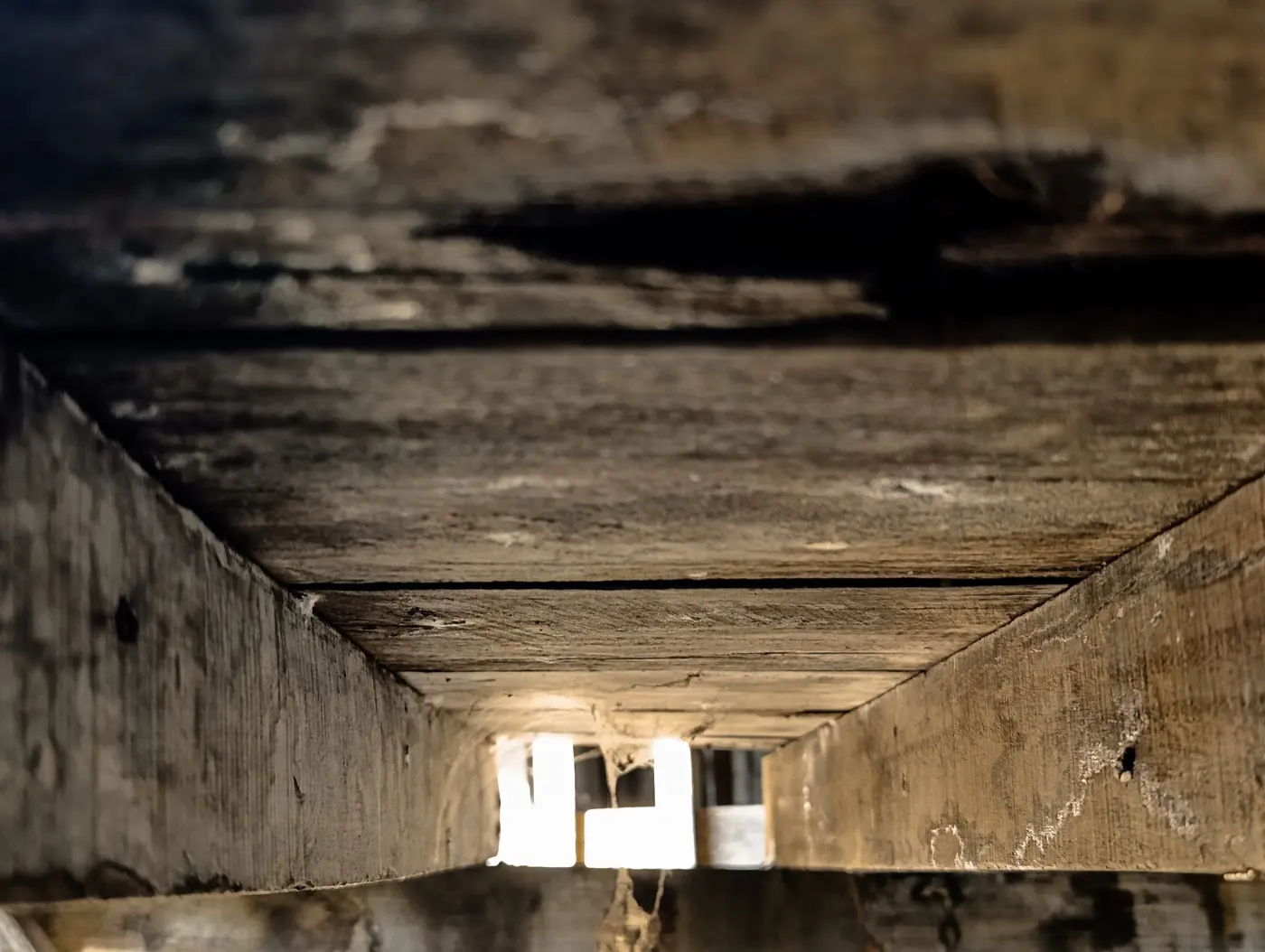
- Look at the shims. Gaps between the pier and the beam, or wood shims that are crushed or dark with rot, are a common cause of sagging.
- Push a screwdriver into the beams. Wood that lets the tip sink in easily has dry rot. Keep probing until it feels solid to see how far it goes.
- Check the ground. Standing water, wet soil or a musty smell means the water problem needs fixing too.
If crawling under isn't an option, that's what the inspection is for. Call a specialist
Pier and beam and crawl space foundation repair methods
Pier and beam repairs range from a day of re-shimming to replacing beams and adding a new line of piers. The right fix depends on what the inspection finds, and a good contractor will explain why one method fits your house better than another.
How pier and beam repair is done
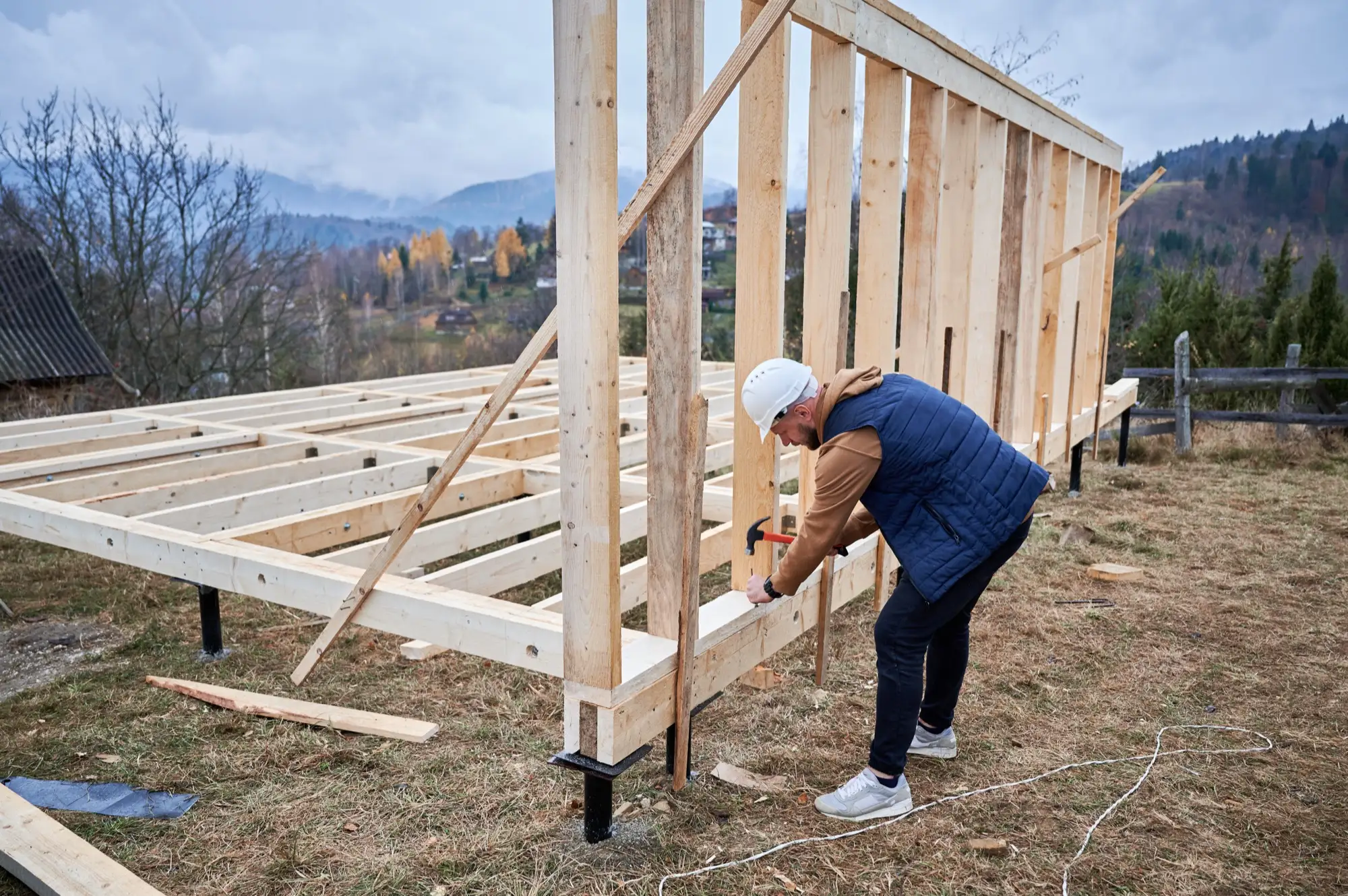
Most pier and beam work is done from the crawl space while you stay in the house. If an estimate skips the crawl-space inspection, ask why.
- 1
Crawl-space inspection
The specialist goes under the house, checks every pier, shim and beam, probes the wood for rot and takes floor readings in each room.
- 2
Written plan and price
You get the plan in writing: which supports get re-shimmed, where new piers or posts go, and what wood needs replacing.
- 3
Access and safety
The crew opens the access, sets lighting and protects the yard. If new piers need digging, Texas 811 is called at least 48 hours ahead.
- 4
Lift in small steps
Bottle jacks raise the low areas a little at a time while readings are checked, so plaster, brick and windows are not shocked.
- 5
Replace, support and shim
Rotted wood is replaced, new piers or adjustable posts go in, and the beams are set on steel shims at the right height.
- 6
Final readings and walkthrough
New readings go in your file, doors are checked, and you are shown what was done under the house.
What affects the cost of pier and beam repair
Pier and beam repairs are usually less disruptive than slab work, and many are smaller jobs than homeowners expect. The final price depends on what's under the house, so ask for it in writing after the inspection.
Re-shimming a few low spots is a much smaller job than adding a new line of piers.
Rotted beams, sills or joists are the most common reason a pier and beam estimate grows.
A low or tight crawl space takes more labor than one with room to work.
Fixing the drainage, plumbing or siding disturbed during the work can be part of the job.
Have a pier and beam specialist check under your house
Find out exactly which piers, shims and beams need work before you get a price. Local specialists serve Tyler, Longview and the towns between.
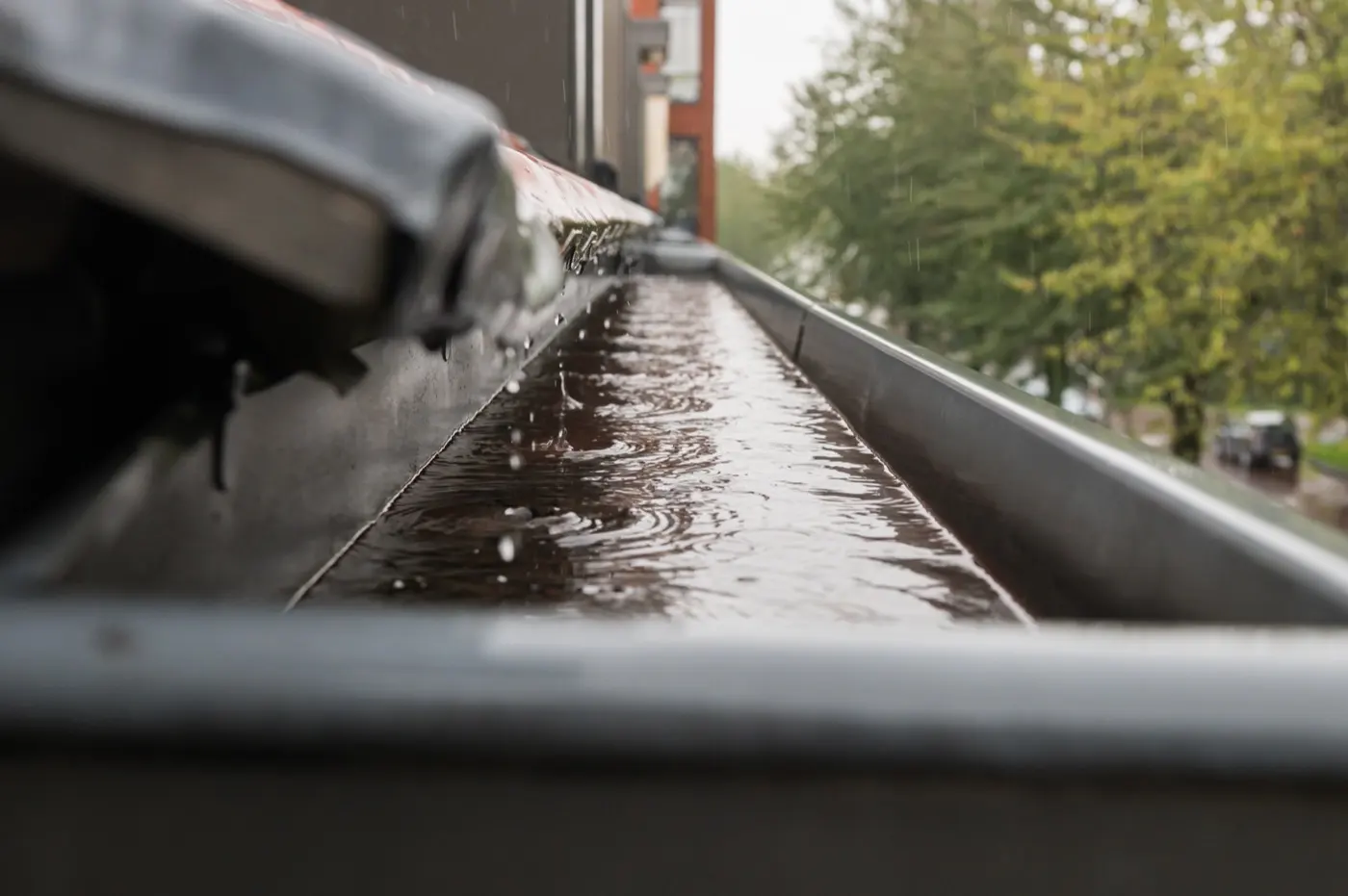
Keeping a pier and beam foundation level after sagging floor repair
Most pier and beam repairs hold for years when the water around and under the house is under control.
- Send roof water away. Gutters and downspout extensions keep rain from soaking the soil along the stem wall.
- Keep the crawl space dry. Clear vents, fix any leaks, and make sure the yard slopes away from the house.
- Point sprinklers away from the house. Heads that spray the brick soak the wall and the wood behind it.
- Have it checked every few years. Shims and adjustable posts can be tightened before a small sag becomes a big one.
Pier and beam foundation questions
Talk it through with a local foundation specialist. We'll call you back, usually within one business day.
(903) 522-4592Get a call backAre pier and beam foundations good?
Yes. A well-kept pier and beam foundation can last the life of the house, and it is easy to adjust because the crew can reach every support from the crawl space. Most problems come from water under the house and old shims, both of which can be fixed.
Do I need to water a pier and beam foundation?
Not the way people water a slab. The bigger risk under a pier and beam house is too much water, not too little. Keep gutters, grading and sprinklers sending water away from the house and keep the crawl space dry.
Can sagging floors collapse?
Rarely, but a floor over rotted joists or a beam that has lost its support can fail under a heavy load like a full bathtub or a piano. Soft, spongy spots are worth getting checked soon.
Do we have to move out during pier and beam repair?
Almost never. The work happens in the crawl space and around the outside of the house. Expect noise from jacks and saws, and take pictures and valuables off the walls before the lift.
How long does pier and beam foundation repair last?
A re-shim done with steel shims on sound piers usually lasts many years. Adjustable steel posts can be tightened again if the house settles. Repairs last longest when the water problem under the house is fixed at the same time.
Is pier and beam better than a slab foundation?
Each has trade-offs. Pier and beam is easier to repair and to reach plumbing under, while a slab foundation has no crawl space to keep dry. Around Tyler and Longview you will find both, often on the same street.
Other foundation repair services
Many older homes in Tyler and Longview have a pier and beam main house with a slab addition, and most repairs work better with a drainage fix. These services often go together.
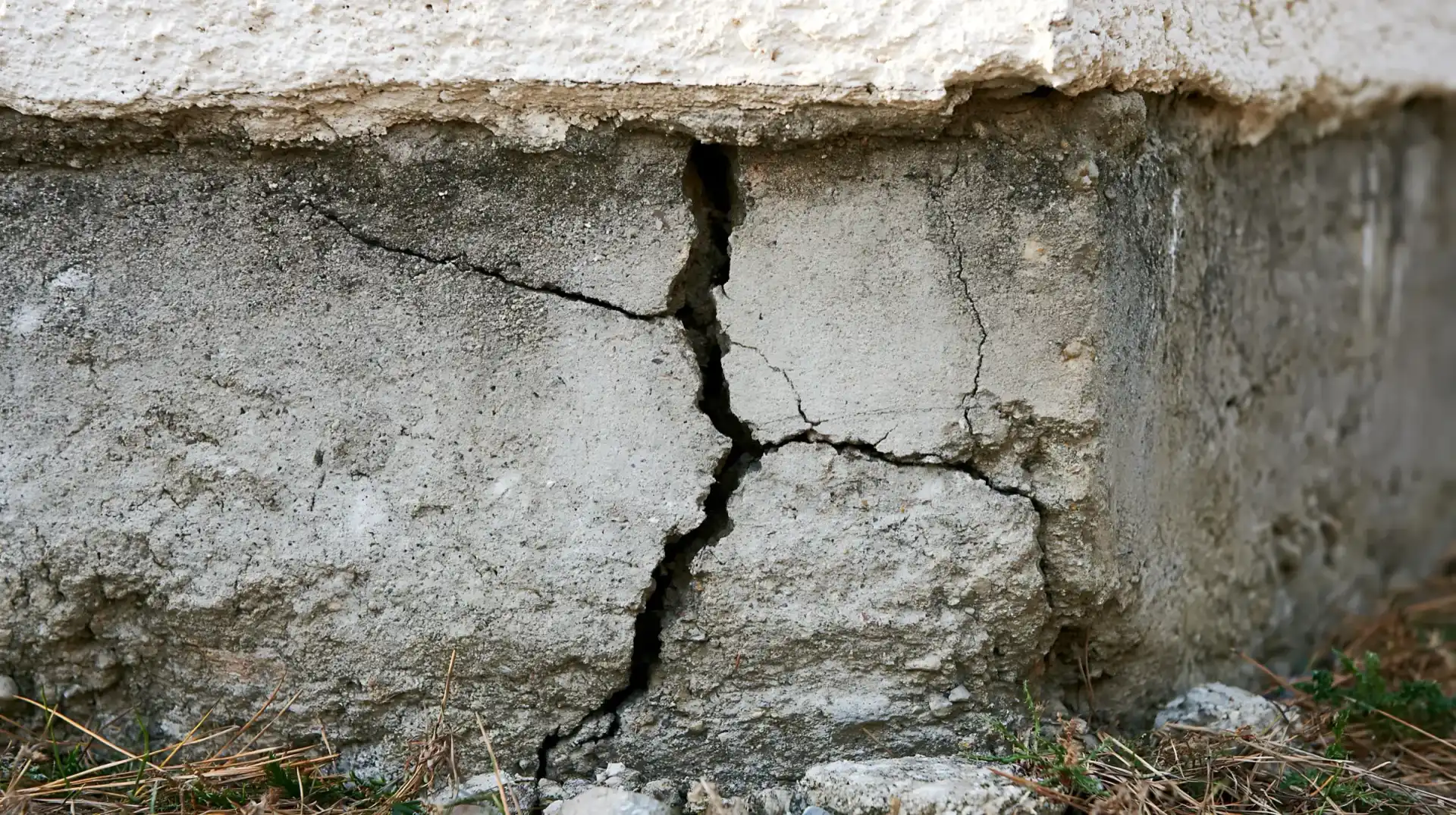
Slab foundation repair
Piers driven to firm soil under a concrete slab that has settled.
Slab foundation repair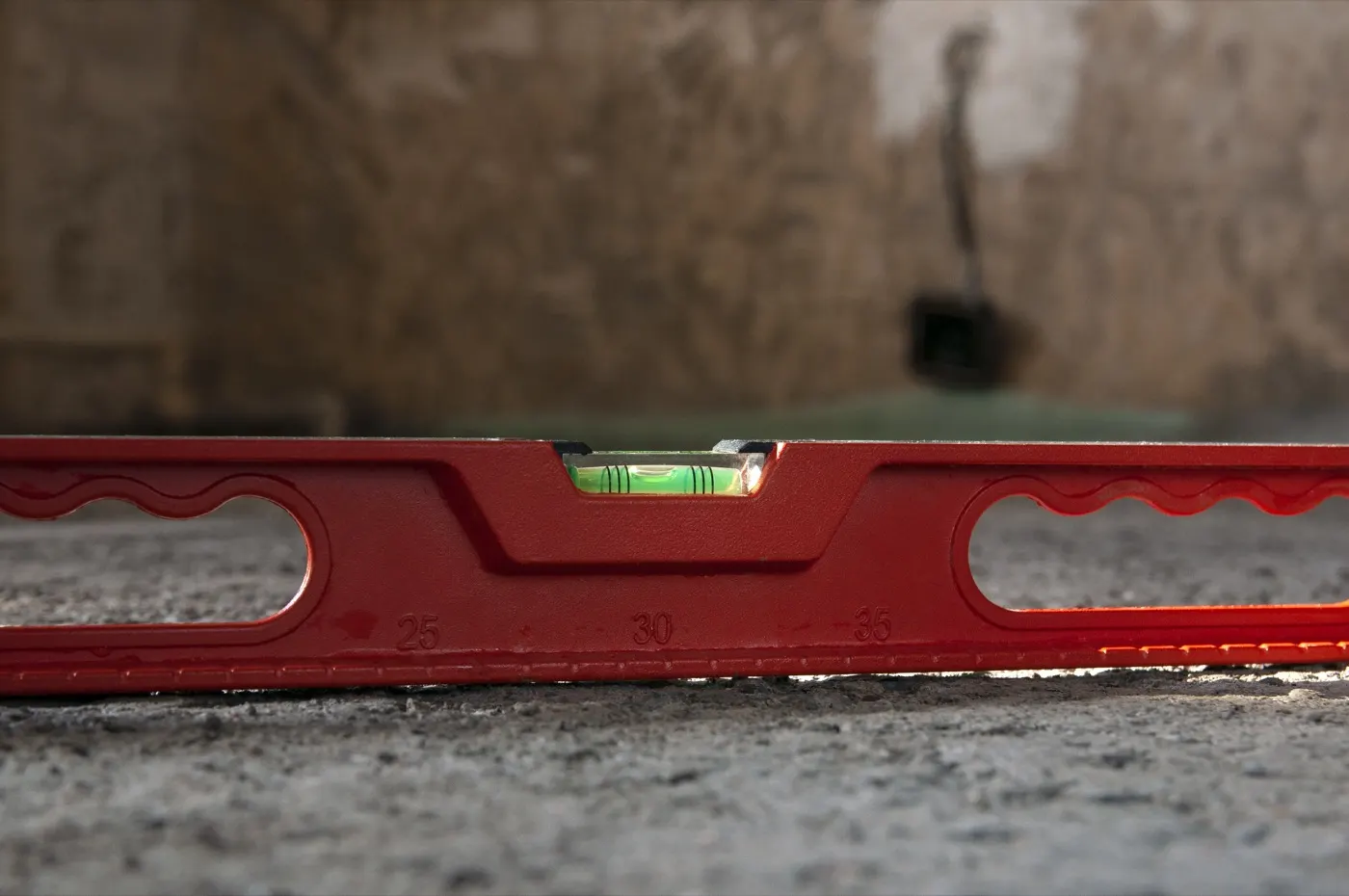
House leveling
Floors brought back toward level a fraction of an inch at a time, with readings before and after.
House leveling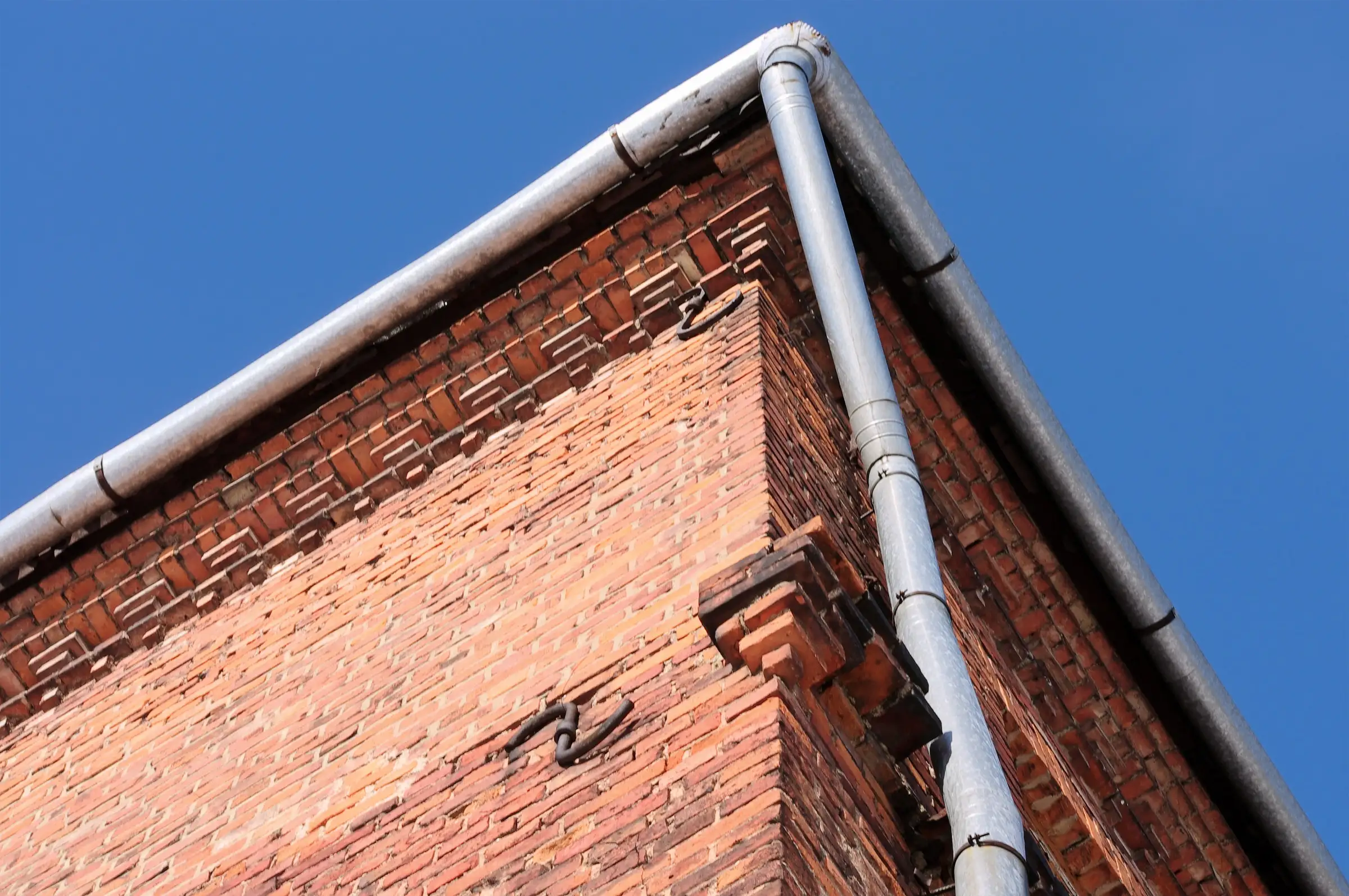
Foundation drainage solutions
Gutters, regrading and French drains that keep water out of the crawl space.
Foundation drainage solutions