
- Home
- Slab foundation repair
Slab Foundation Repair in Tyler, Longview & East Texas
Sabine Valley Foundation Repair helps homeowners find slab foundation repair in Tyler, Longview and across Smith and Gregg counties in East Texas. Slab repair lifts the part of a concrete slab that has settled and holds it on steel or pressed concrete piers driven down to firm soil. A local slab repair specialist measures the whole floor and finds what moved it, and the plan and price come from them in writing before any work starts.
Signs your slab foundation needs repair
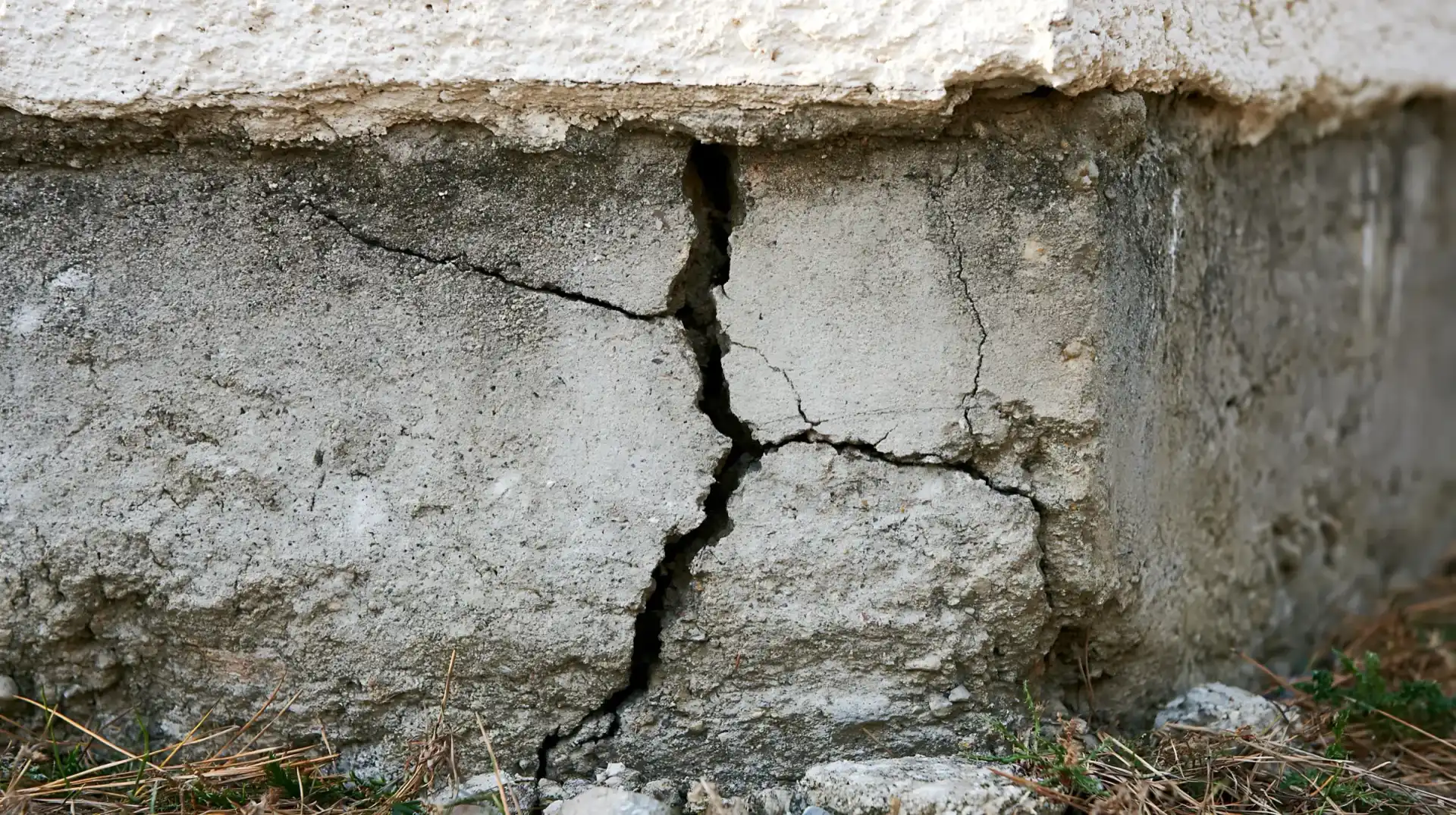
Most homes built in Tyler and Longview since the 1970s sit on a concrete slab, and slab foundation problems and foundation settling show up in the same handful of places. Two or three of these in the same part of the house usually means that corner has dropped. See every warning sign
Stair-step cracks in the brick
Usually at a corner of the house, following the mortar up or down. The slab edge under that wall has dropped.
Doors and windows that stick
A door that rubs at the top corner, or a window that won't close square, means one end of the slab sits lower than the other.
Tile or slab cracks running across a room
A crack that carries straight through several tiles, or one you can slip a coin into, points to movement, not shrinkage.
Uneven floors running downhill
Often toward an outside wall or the garage. A marble or a 4-foot level confirms it in seconds.
Baseboards pulling away from the floor
The wall stayed put while the slab under it dropped, leaving a gap you can see along the bottom.
Cracks that open every summer
If the same cracks widen in August and tighten in spring, the clay under the slab is drying and swelling with the weather.
Describe the cracks, doors or floors you're seeing. A local slab specialist will tell you whether it needs an inspection, and usually calls back within one business day.
Call (903) 522-4592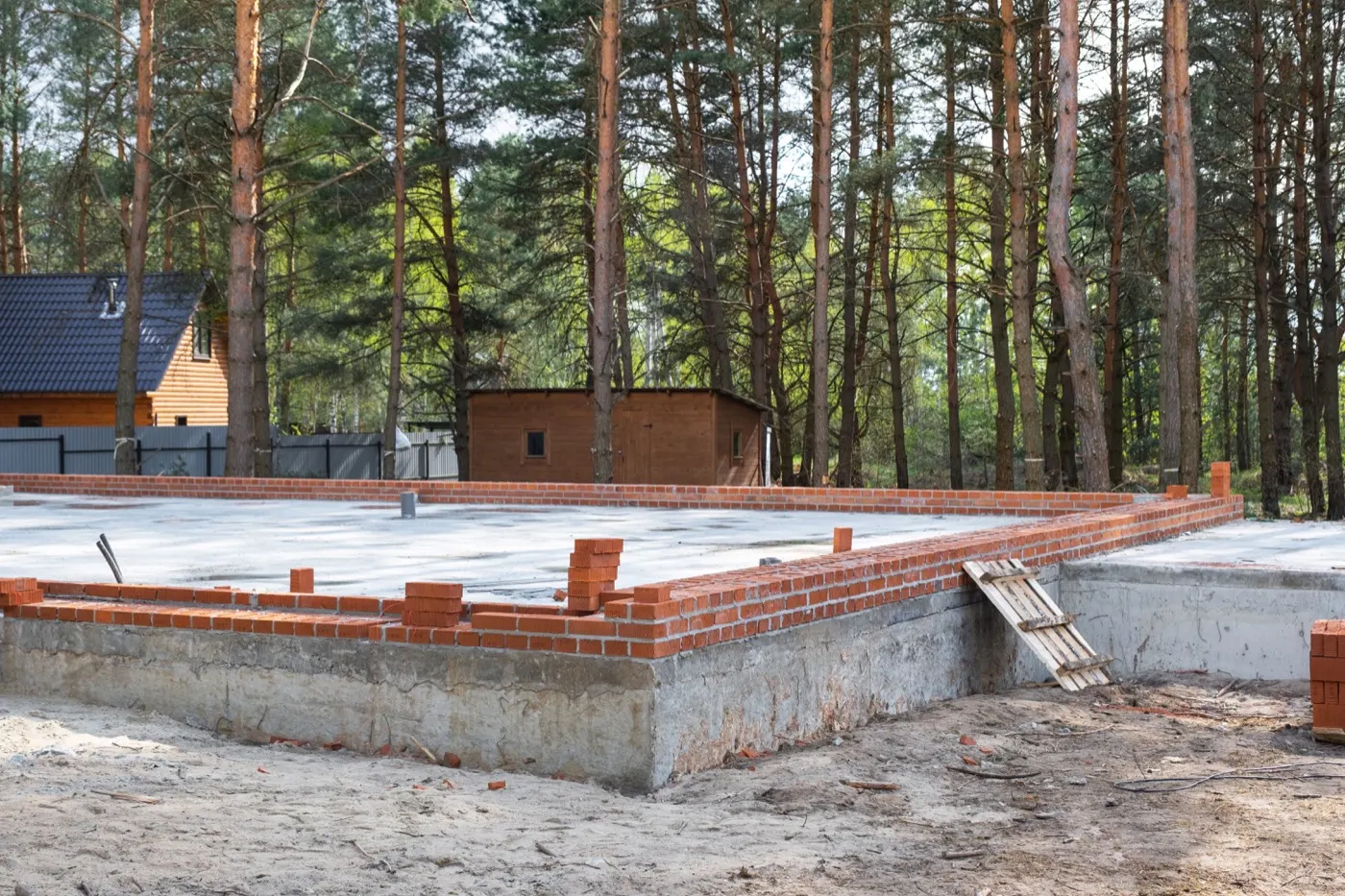
What moves a slab foundation in East Texas
A slab foundation is a single concrete pad poured directly on the ground, with thicker beams around the edges and under load-bearing walls. Slab foundations have no crawl space, so when the soil under one part of it shrinks or softens, that part of the slab starts settling and the walls above it crack.
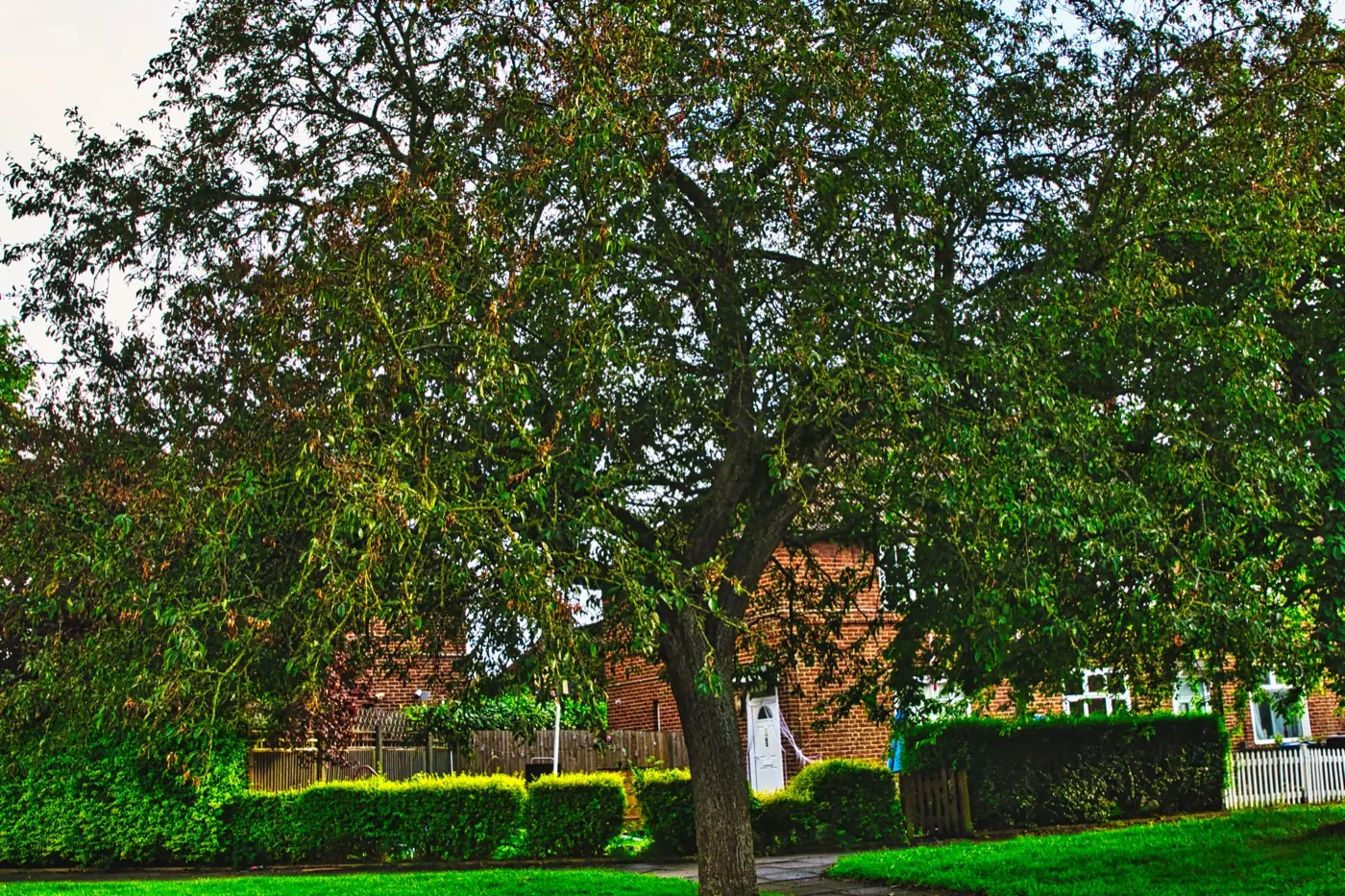
Around Tyler and Longview the soil is usually a sandy loam over a clay subsoil. The clay shrinks in a dry summer and swells when the rain comes back, and the edges of the slab feel it first. Water is usually the cause, and it decides where: a downspout against the foundation, a yard draining toward the house, a big oak, or a slow leak under the floor.
Soil under one area dried, shrank or washed out. This is what piers are built to fix.
Wet clay swelled and lifted the slab, often around a leak. Piers don't fix heave. Stopping the water does.
Elevation readings tell the two apart, and it's the most common reason a second opinion pays for itself. How East Texas soil affects your foundation
How slab foundation repair is done
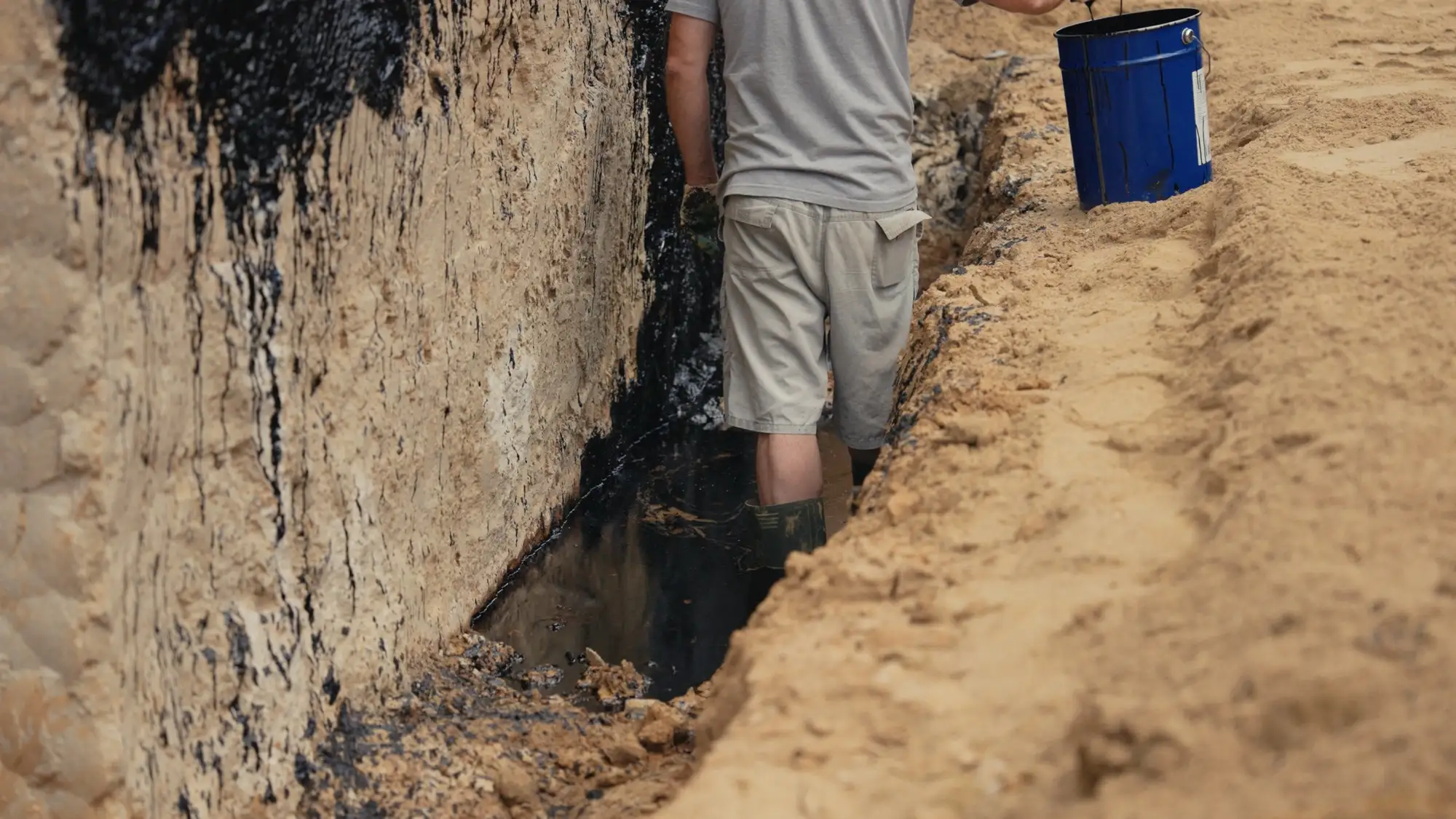
Concrete slab foundation repair follows the same process on a good job every time, whether the house is in south Tyler, Longview or out in the county. If an estimate skips the plumbing test or the readings, ask why.
- 1
Elevation readings
The whole floor is measured room by room to map where the slab is low and by how much.
- 2
Plumbing test
A static test on the drain lines, typically about 20 minutes, rules out a leak under the slab.
- 3
Permit and 811
A permit where the city requires one, and Texas 811 called at least 48 hours before digging.
- 4
Piers to firm soil
Piers are pressed down beside the beam until they stop going down and start lifting the house.
- 5
Slow, measured lift
The slab is raised a fraction of an inch at a time, then set on steel shims and pier caps.
- 6
Re-test and final readings
Plumbing tested again, holes backfilled, and new readings go in your file. Ask for the warranty terms in writing too.
Slab foundation repair methods and pier types
The pier is what your slab ends up sitting on. What matters most for lasting support is that each one reaches firm soil, readings are taken before and after, and you have the warranty terms for the piers in writing. Warranties vary by company.
mudjacking?Where slab lifting fits
Polyurethane foam and mudjacking are great for driveways, patios and garage floors. They fill voids and lift flat concrete, but they don't give a house slab structural support, so if the soil under your home keeps sinking the slab goes back down. For the house itself, a good contractor will recommend piers that reach stable soil.
What affects the cost of slab foundation repair
No two slab repairs are priced the same, because no two houses moved the same way. Repairs often cost less than people fear. Ask for the exact price in writing after the inspection, before you agree to anything.
A corner that has dropped needs far fewer piers than a whole side of the house.
Piers go down until they reach soil that can carry the house, and that depth varies lot to lot.
Exterior piers are the simplest. Interior piers need a tunnel or a small breakout through the floor.
A leak under the slab or water pooling at a corner should be fixed as part of the job so the repair holds.
Get a second opinion before you sign a slab repair quote
Have the house measured again before you sign. A second set of elevation readings costs far less than piers you don't need.
What to expect after your slab is lifted
- Many cracks close up, not all of them. Brick and drywall cracks often narrow as the slab comes back up. Some need patching.
- Doors may need adjusting. A door that stuck before can swing or rub in a new spot after the lift.
- Wait a few weeks before patching and painting so cosmetic repairs only happen once.
- Keep water away from the foundation. Gutters, downspout extensions and grading protect the parts of the slab that weren't piered.
- Water the soil in a long dry spell. Clay that cracks open beside the slab in August lets the edge drop. Even, light watering around the house keeps the moisture steady.
Slab foundation repair questions
Talk it through with a local foundation specialist. We'll call you back, usually within one business day.
(903) 522-4592Get a call backHow long does slab foundation repair take?
Most slab repairs on a single-family home often take one to three days of work once the permit is in hand. Interior piers, a plumbing repair or a large number of piers can add time.
Do we have to move out during slab repair?
Almost never. Most of the work happens outside the house. Expect noise while piers are pressed, some digging along the foundation, and doors that may need adjusting after the lift.
Will my slab move again after it is repaired?
The repaired section sits on piers that bear on firm soil, so it should stay put. Parts of the slab that were not piered can still move with the clay, which is why drainage and an even moisture level around the house matter after the repair.
Is the warranty transferable if I sell the house?
Many slab repair warranties transfer to the next owner, sometimes for a small fee. Ask for the warranty terms in writing with your estimate, including what is covered and what voids it.
Do I need a structural engineer for slab foundation repair?
Not always. An engineer's report helps when you're buying or selling, when two contractors disagree on how many piers you need, or when the city asks for one. You can check any Texas engineer's license on the state board website.
How often should I water around a slab foundation?
Only in long dry spells, and only enough to keep the soil next to the slab from cracking open. Overwatering does as much damage as drought on East Texas clay, so aim for steady, even moisture rather than soaking.
Can a slab foundation be repaired without piers?
Sometimes. If readings show the slab is moving because of a leak, a downspout or poor grading, fixing the water can be the whole repair. A good specialist will tell you when piers are not needed.
Other foundation repair services
Many slab repairs come with a drainage fix, and some homes in Tyler and Longview have a slab section and a pier-and-beam addition. These services often go together.
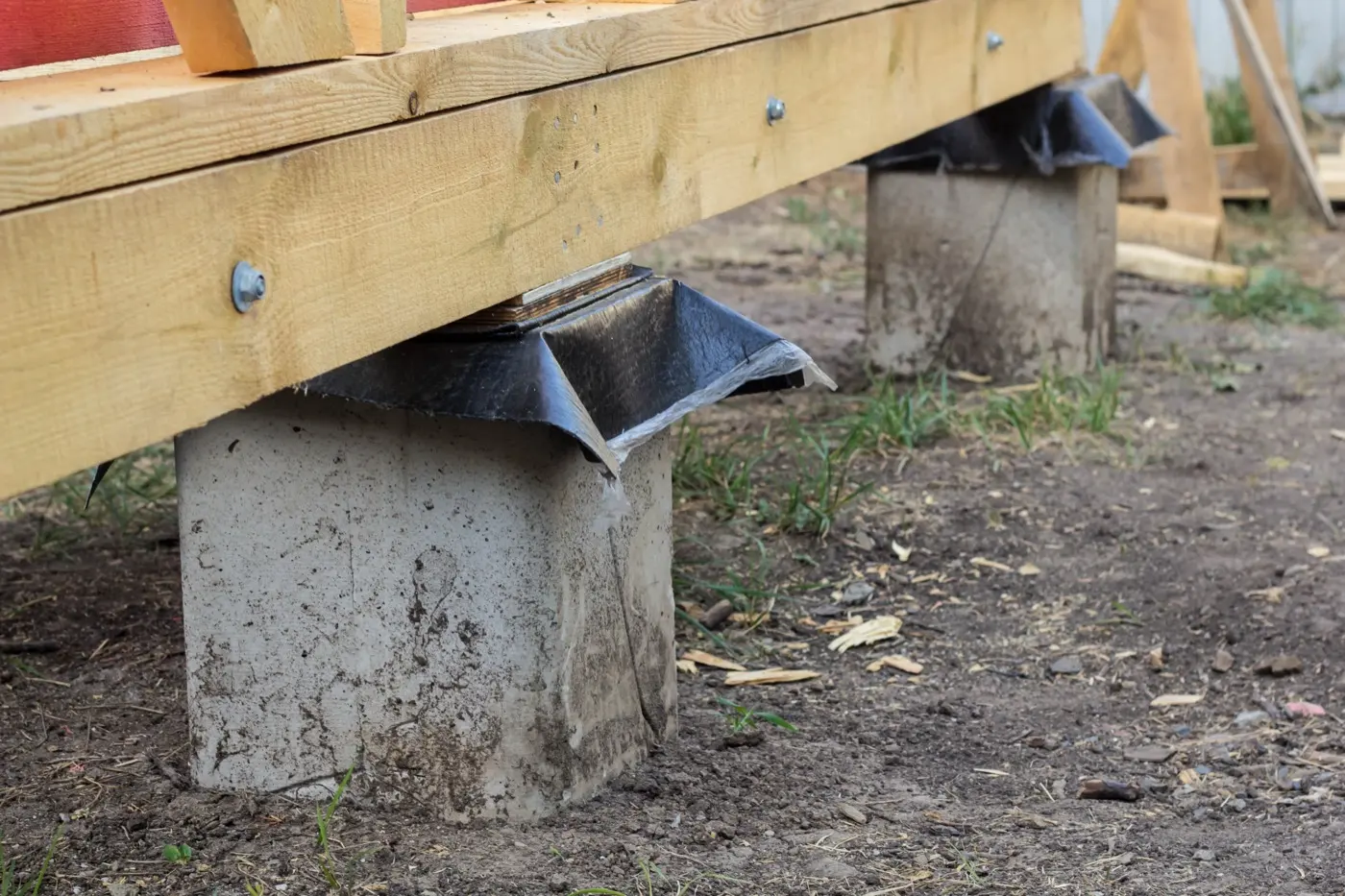
Pier and beam foundation repair
Re-shimming, new supports and rotted beam and sill replacement for older homes over a crawl space.
Pier and beam foundation repair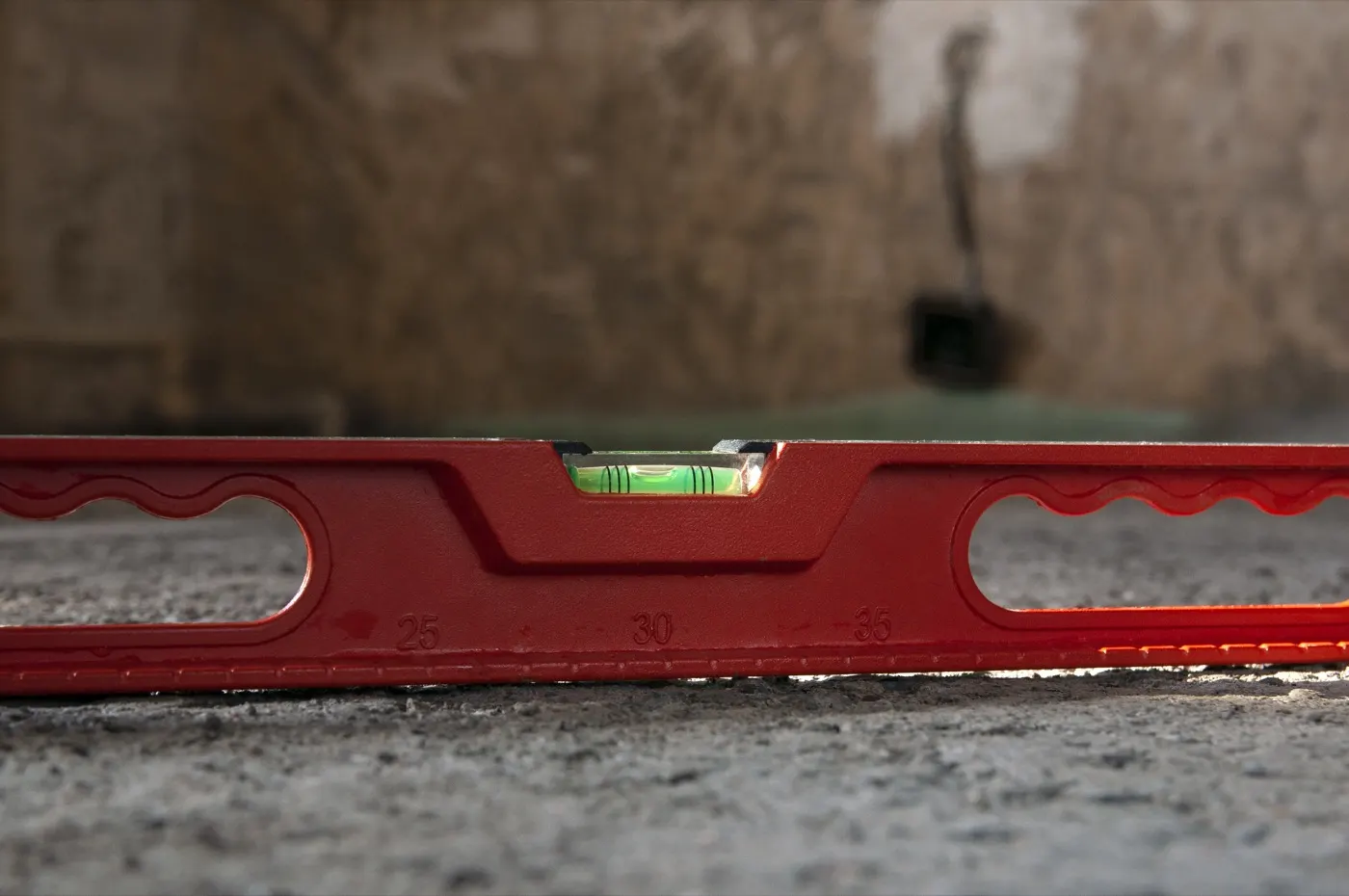
House leveling
Floors brought back toward level a fraction of an inch at a time, with readings before and after.
House leveling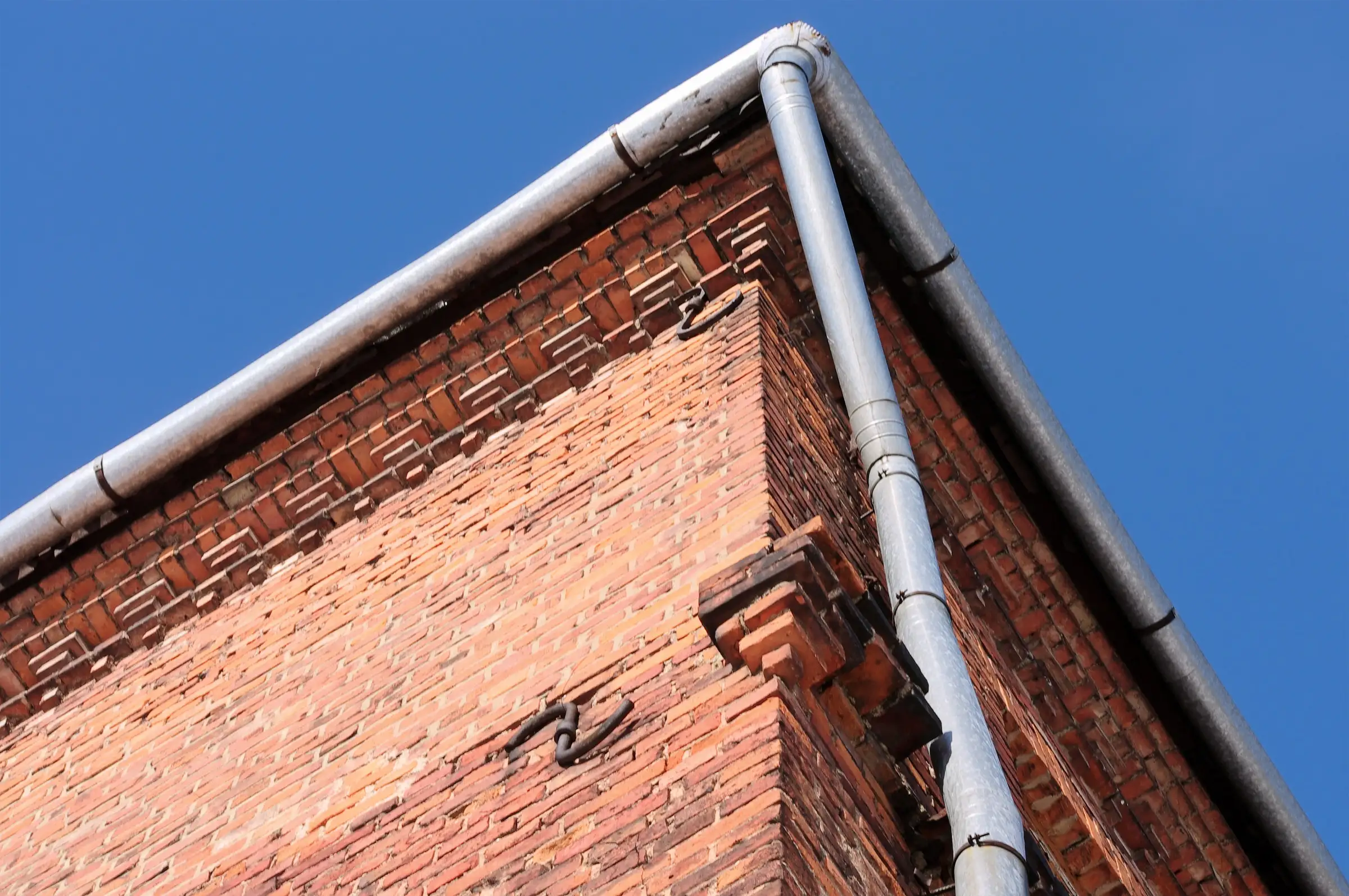
Foundation drainage solutions
Gutters, regrading and French drains that stop water from moving one corner of the slab.
Foundation drainage solutions