
- Home
- House leveling
House Leveling in Tyler, Longview & East Texas
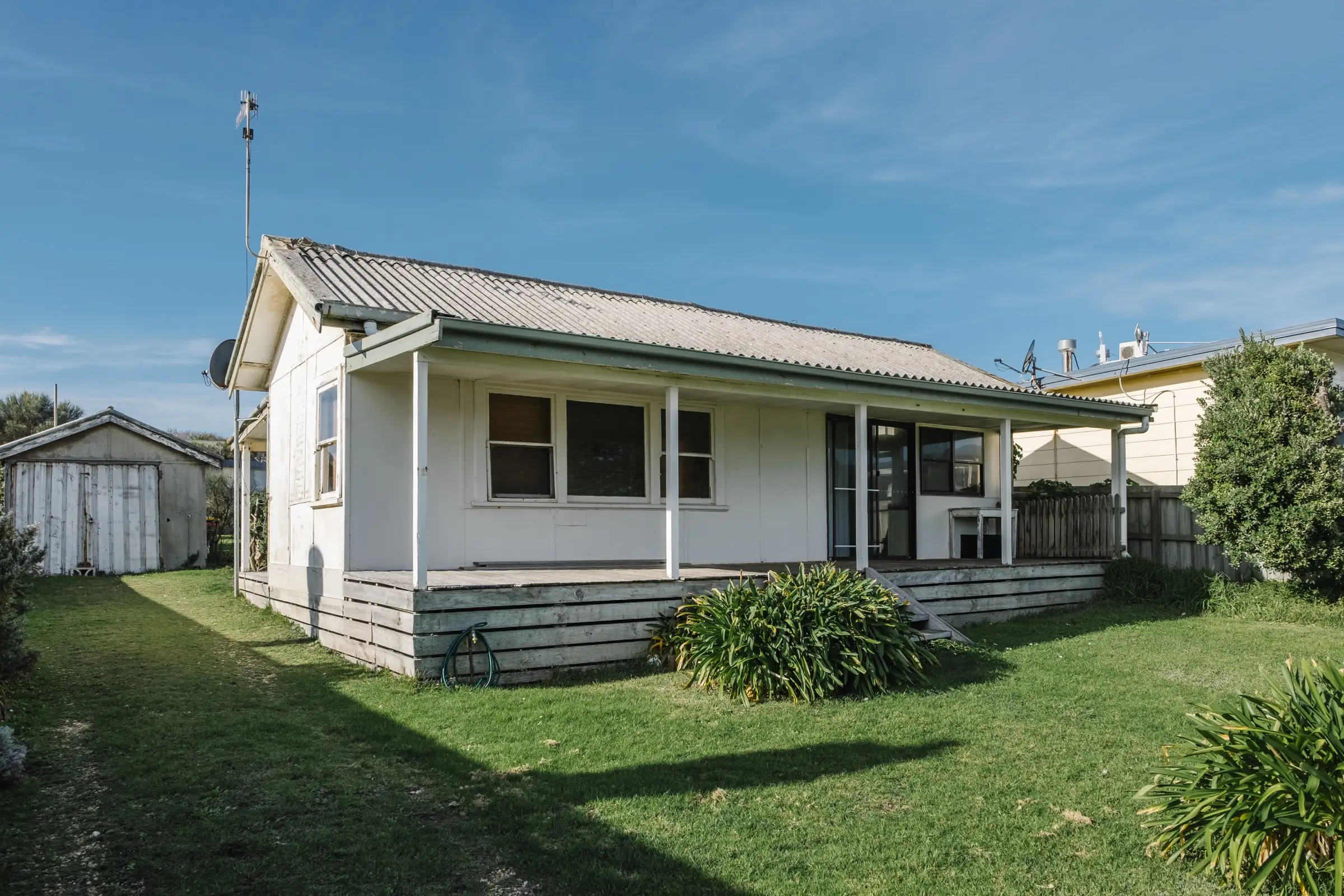
Sabine Valley Foundation Repair helps homeowners find house leveling and foundation leveling for slab and pier and beam homes across East Texas, from Tyler and Whitehouse to Longview and Kilgore. Leveling raises the low parts of a house back toward level and supports them so they stay there, using piers under a slab or shims, piers and adjustable posts over a crawl space. A local leveling specialist measures every room first, and the plan and price come from them in writing before anything is lifted.
Signs your house needs leveling
Uneven floors are the obvious one, but most people in Tyler and Longview notice the doors and interior cracks first, often after a long dry summer. If several of these are happening in the same part of the house, and getting worse, that area has probably moved.
Floors you can feel sloping
A marble rolls to one side of the kitchen, or you notice yourself walking downhill toward an outside wall.
Doors that swing or won't latch
A door that drifts open on its own, or rubs at the top corner, is hanging in a frame that has gone out of square.
Cracks running up from door corners
Diagonal drywall cracks above doors and windows that keep coming back after you patch them.
Gaps at trim and cabinets
Baseboards lifting off the floor, crown molding opening at a corner, or kitchen cabinets pulling away from the wall.
Tile and grout cracking in a line
A crack that runs through several tiles in a straight line means the floor under them has moved, not just the grout.
Windows that stick or crack
A window that won't open in summer, or a pane that cracks with no impact, can mean the wall around it is twisting.
Floors feel off but you're not sure? Describe what you're seeing and a local leveling specialist will tell you whether it's worth measuring, and usually calls back within one business day.
Call (903) 522-4592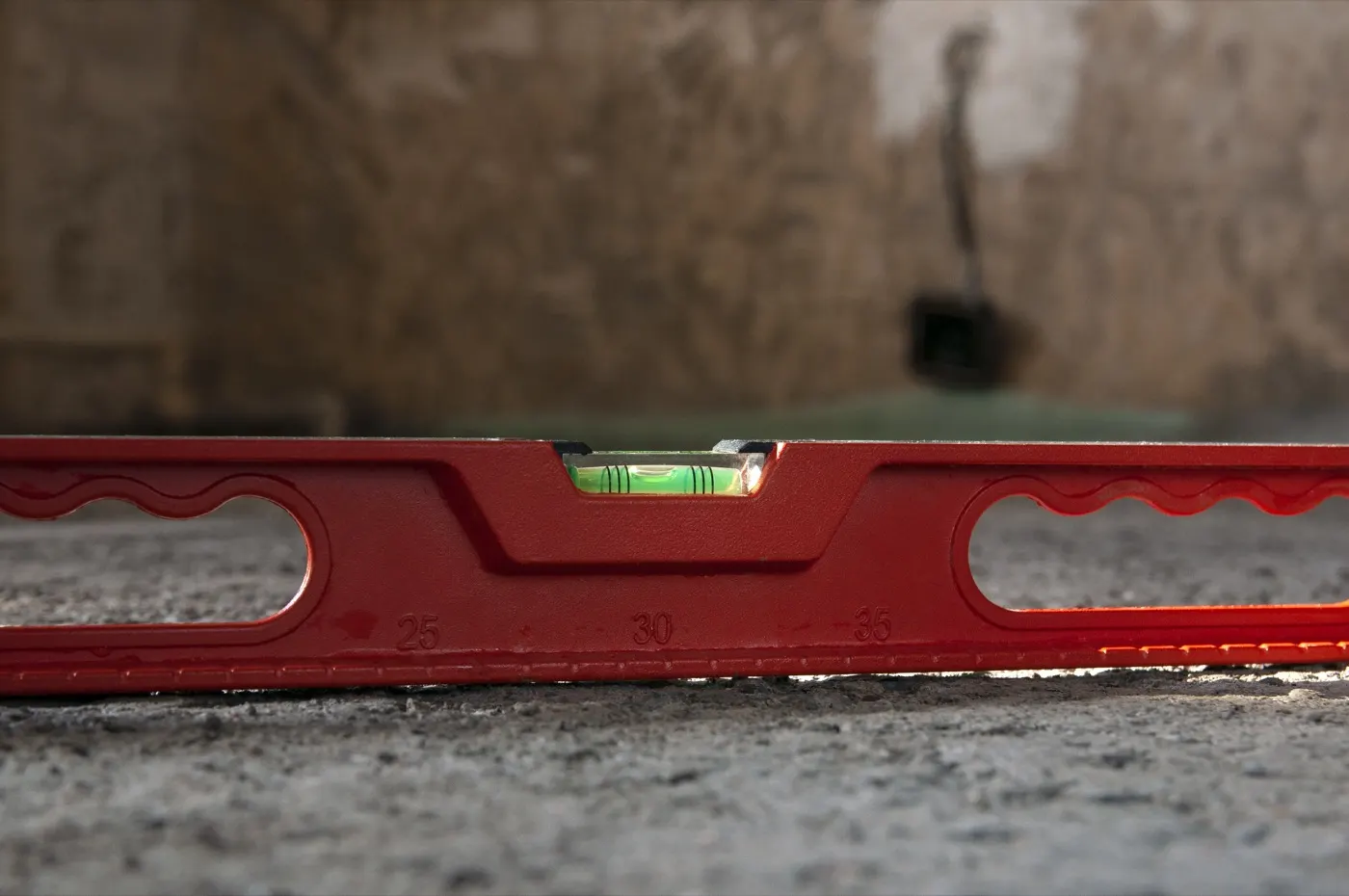
House leveling or built out of level: how to tell
Before any foundation leveling, it's worth knowing whether your uneven floors are new.
Plenty of East Texas houses were built a little out of level. The slab was poured with some slope and the walls were framed straight on top of it. A floor like that measures "off" but hasn't moved, and lifting it can cause structural damage to brick, framing and windows.
Ceiling height differs across the room by about the same amount as the floor. Brick courses are level. Doors work fine.
Doors started sticking, cracks are new or growing, and the brick courses tilt with the floor.
Engineers judge slab movement by how much the foundation has tilted and bent since it was built, not by a single "inches off" number. A good specialist will show you the readings and explain which part of the slope is movement before recommending any lift. How much movement is too much
How house leveling works
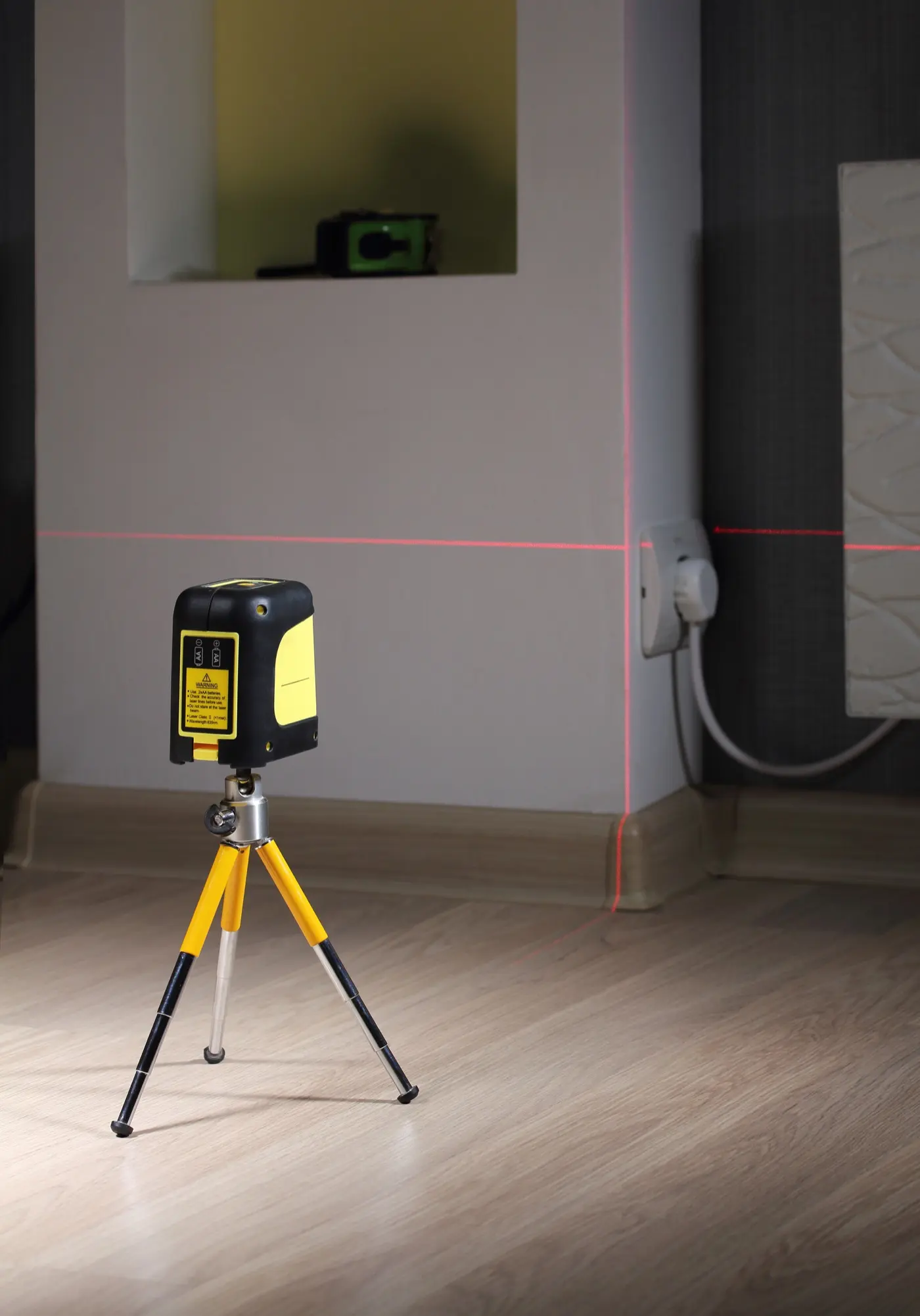
Good house leveling is a slow, measured process, and it's the same whether the house is near downtown Tyler, in Longview or out toward Whitehouse and Kilgore. The readings decide where to lift, and the same readings at the end show what changed.
- 1
Floor elevation readings
Readings are taken across every room to build a map of where the house is high, low and level.
- 2
Moved or built that way?
The specialist checks ceiling heights, brick courses and doors to separate real movement from a house that was built out of level.
- 3
Find and fix the cause
A leak, a downspout or a dry corner gets fixed as part of the plan so the house doesn't drop again.
- 4
Written leveling plan
You get the plan in writing: where it will be lifted, how far, the method, and the price.
- 5
Lift a fraction at a time
Jacks raise the low areas slowly while the readings are checked, then the house is set on shims, piers or posts.
- 6
Final readings and walkthrough
New readings go in your file, doors are checked, and plumbing is tested where a slab was lifted.
House and foundation leveling methods for slab and pier and beam homes
The method depends on the foundation under your house. Across Smith and Gregg counties you'll find both types, sometimes on the same street, and older homes with a slab addition on a pier and beam house.
What happens inside your house after leveling
Lifting a house moves everything attached to it, so a few small problems inside are normal. Most of it settles in within a few weeks.
- Some cracks close, some open. Old cracks often narrow, and a few new hairline cracks can show up as the frame shifts back.
- Doors and windows may need adjusting. A door that stuck before can rub in a new place.
- Check grout, caulk and the roof vents. Tub caulk and tile grout can split, and the boots around roof vent pipes can lift and leak.
- Wait before patching drywall. Give it a few weeks so you only patch and paint once.
What affects the cost of house leveling
House leveling covers everything from re-shimming a few low spots to lifting a whole slab on piers. Many jobs are smaller than people fear. Ask for the exact price in writing after the readings.
The foundation type decides the method, and that is the biggest part of the price.
One low corner is a much smaller job than a whole side of the house.
Re-shimming is quick. Adding piers or posts takes more time and material.
Rotted framing under a pier and beam house, or a leak under a slab, gets fixed as part of the job.
Get your floors measured before anyone lifts
Elevation readings show where the house has moved and by how much. They're the only honest way to plan a leveling job.
House leveling questions
Talk it through with a local foundation specialist. We'll call you back, usually within one business day.
(903) 522-4592Get a call backIs house leveling the same as foundation leveling?
Yes, mostly. People use both names for lifting the low parts of a house back toward level. On a slab home it means lifting the slab on piers. On a pier and beam home it usually means re-shimming or adding supports in the crawl space.
How long does house leveling take?
Most house leveling jobs usually take one to three days on site. Pier and beam re-shimming is often quicker; slab leveling with many piers, or a job that turns up rotted wood, takes longer.
How often does a house need to be leveled?
If the cause is fixed, many houses never need it again. Pier and beam homes sometimes need a re-shim after several years as the house settles onto new supports, and adjustable posts make that a quick job.
Can I level a house myself with jacks?
Small adjustments to a single pier are possible for a handy homeowner, but lifting a whole floor can crack plaster, brick and plumbing, and jacks can slip. Without elevation readings it is easy to lift the wrong spot. It's a job worth doing with someone who measures first.
Does homeowners insurance cover house leveling?
Usually not. Most Texas homeowner policies exclude settling and earth movement. Damage from a sudden plumbing leak can be a different case. See does insurance cover foundation repair.
Is house leveling worth it?
When the house has actually moved and the doors, floors and cracks are getting worse, yes: it stops the damage and protects the home's value. When the slope was there from the day it was built, leveling can do more harm than good, which is why the readings come first.
Will my house be perfectly level after leveling?
No house is perfectly level, including new ones. The goal is to bring it back toward where it was built and stop the movement, not to force it flat. Forcing an old house past that point cracks more than it fixes.
Related foundation repair services
House leveling usually comes with one of these. The right one depends on the foundation under your home and what moved it.
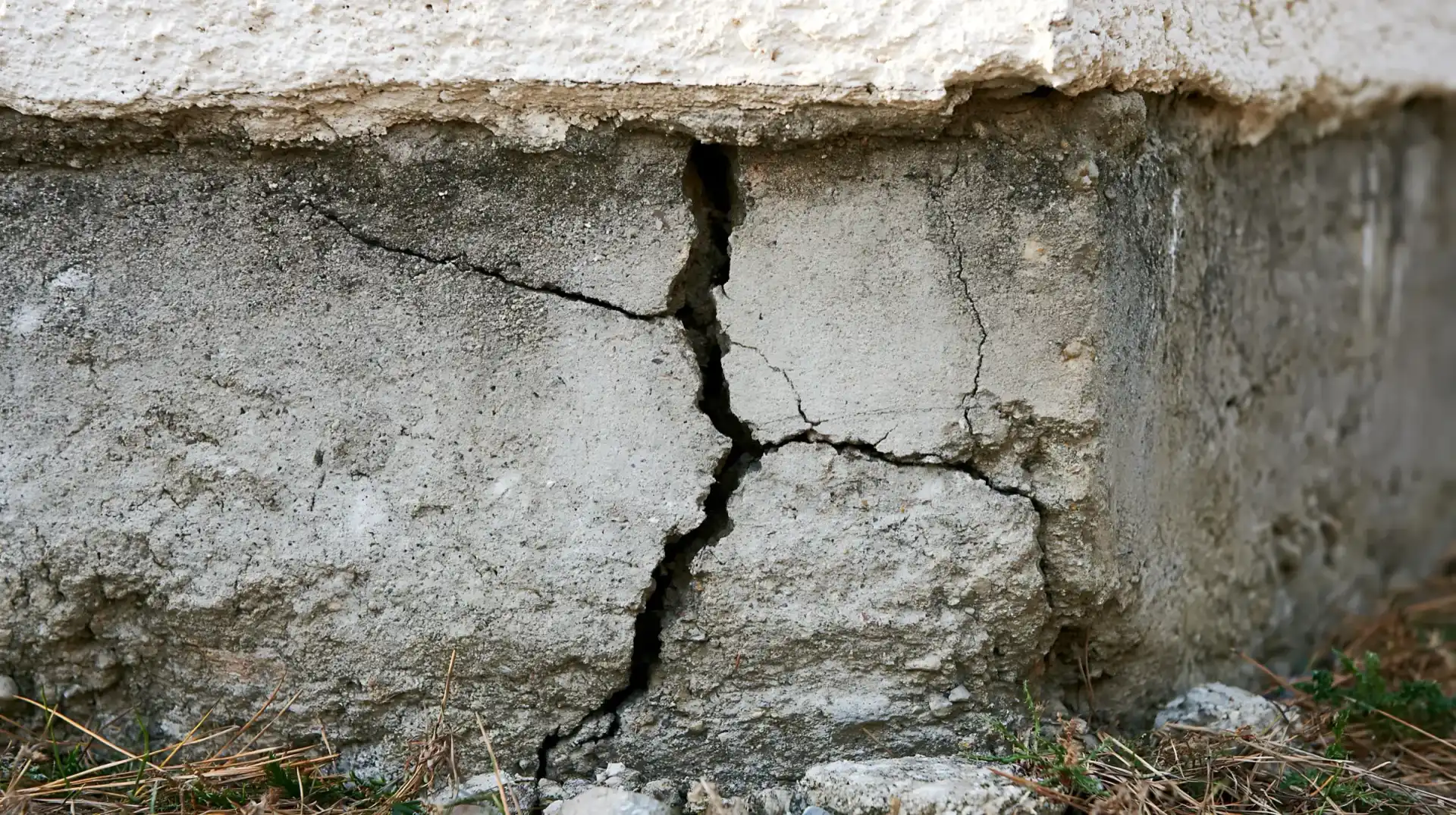
Slab foundation repair
Piers driven to firm soil under a concrete slab that has settled.
Slab foundation repair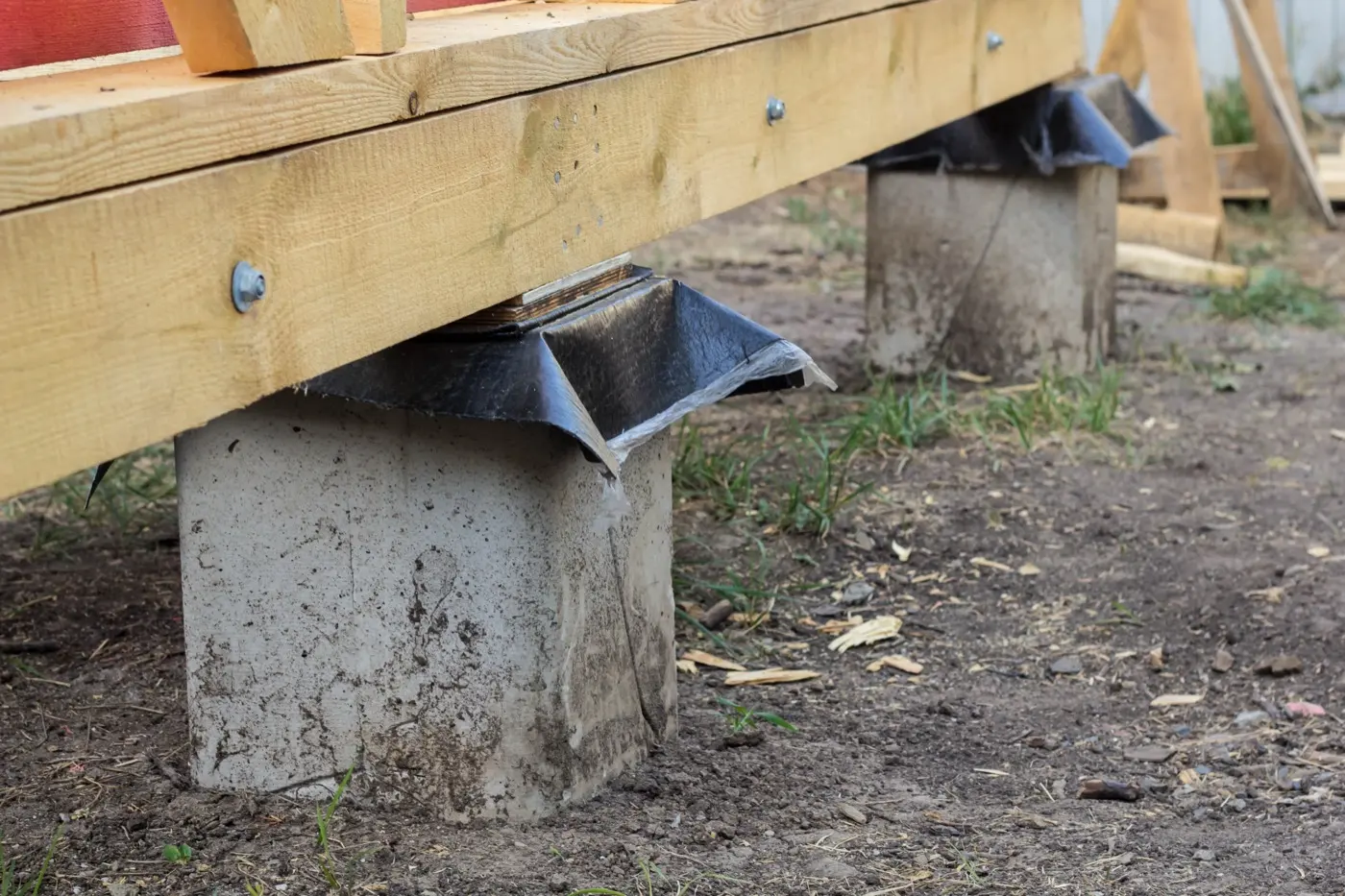
Pier and beam foundation repair
Re-shimming, new supports and rotted beam replacement over a crawl space.
Pier and beam foundation repair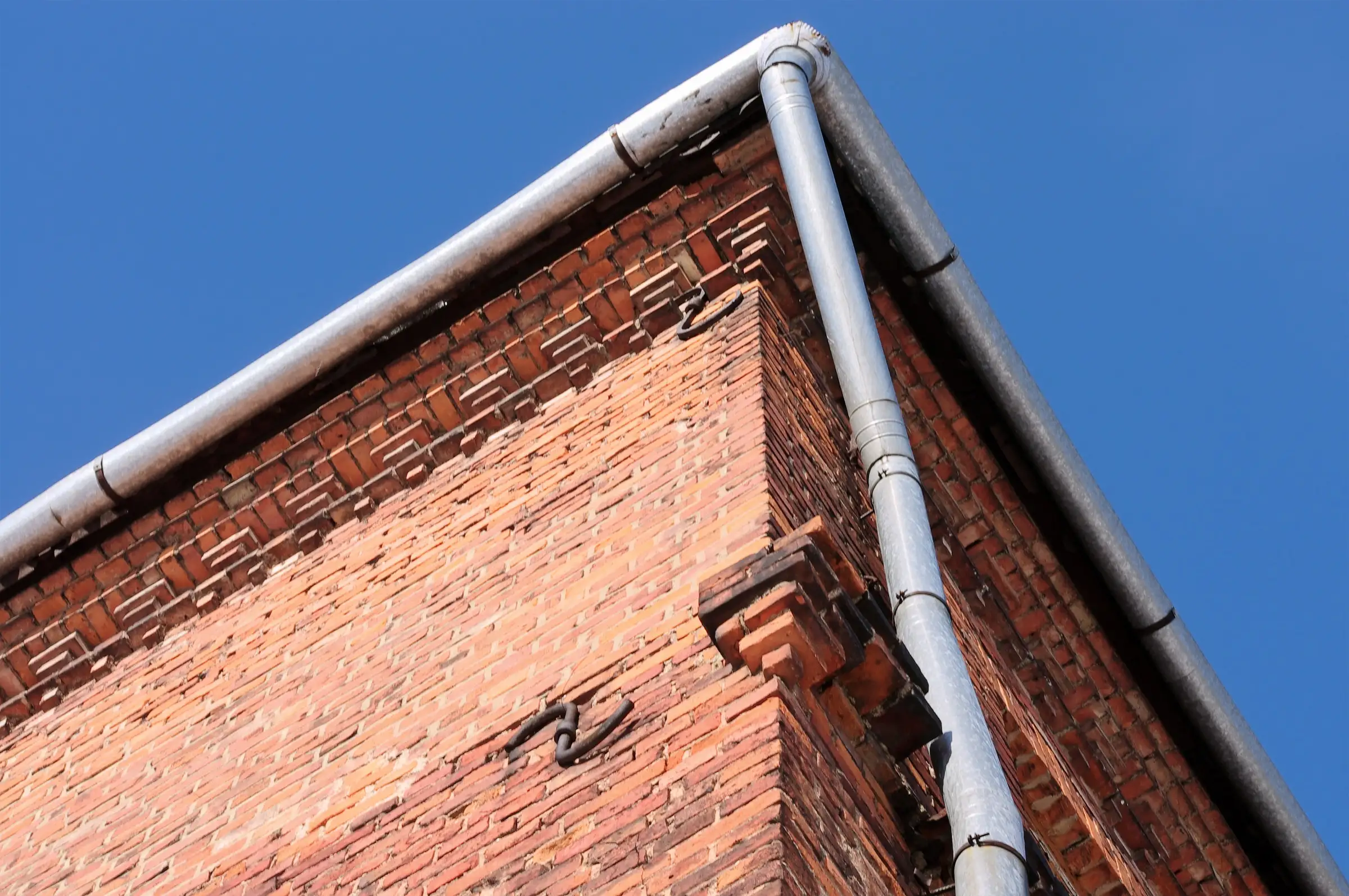
Foundation drainage solutions
Fix the water that moved the house so the leveling holds.
Foundation drainage solutions