
- Home
- Foundation inspection
Foundation Inspection in Tyler, Longview & East Texas
Sabine Valley Foundation Repair helps homeowners book on-site foundation inspections with local specialists in Tyler, Longview and the smaller towns of Smith and Gregg counties. A foundation inspection measures how much your house has moved, finds what moved it and tells you whether it needs repair, using floor elevation readings in every room and a check of the slab or crawl space, drainage and plumbing. A local foundation specialist explains the findings in plain English and puts any repair plan in writing.
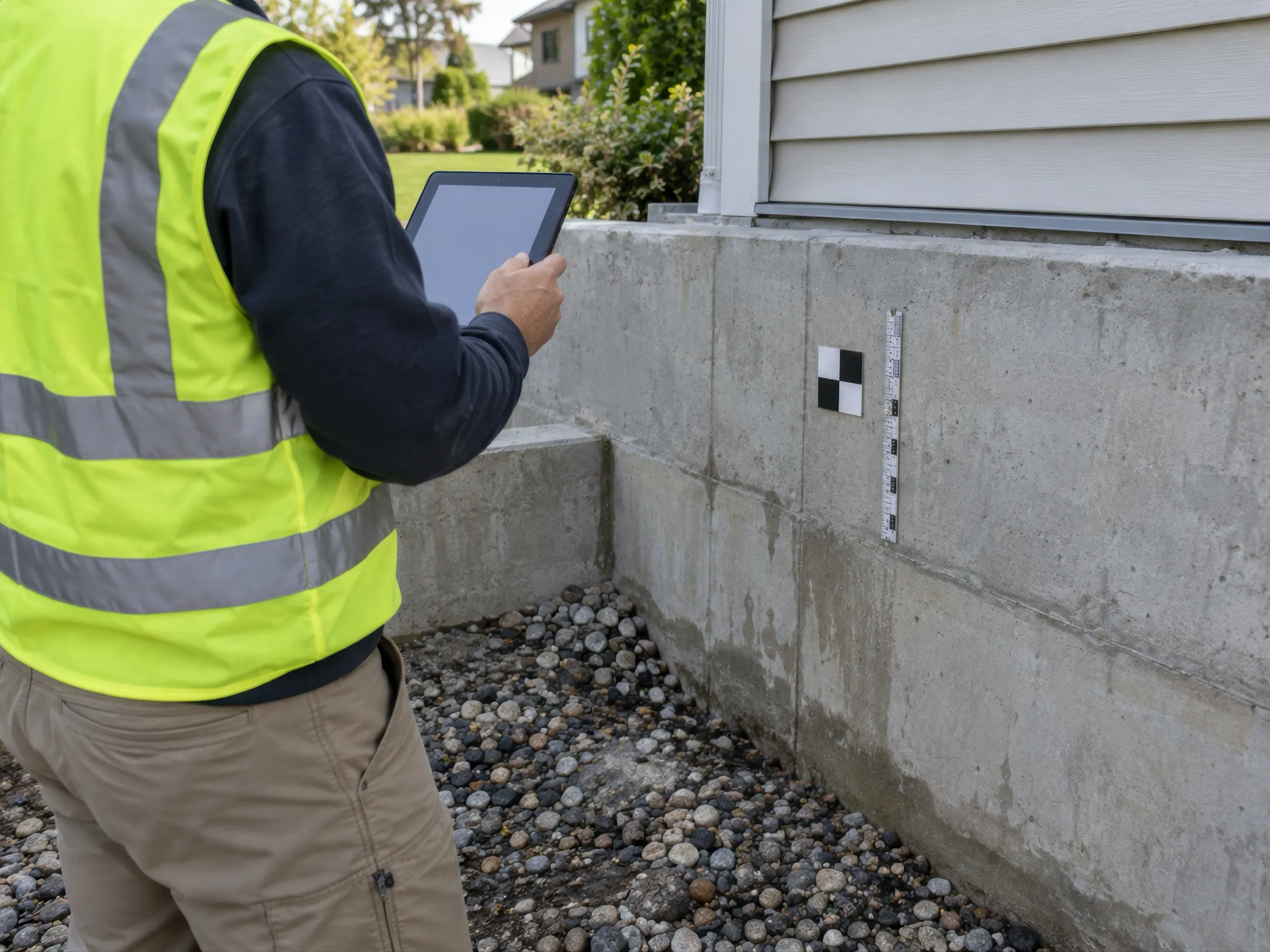
What a foundation inspection includes
A thorough foundation inspection is more than a look at one crack. It's an evaluation of the whole structure that should answer three questions: has the house moved, how much, and why.
- Floor elevation readings across the whole house, room by room, to map high and low areas.
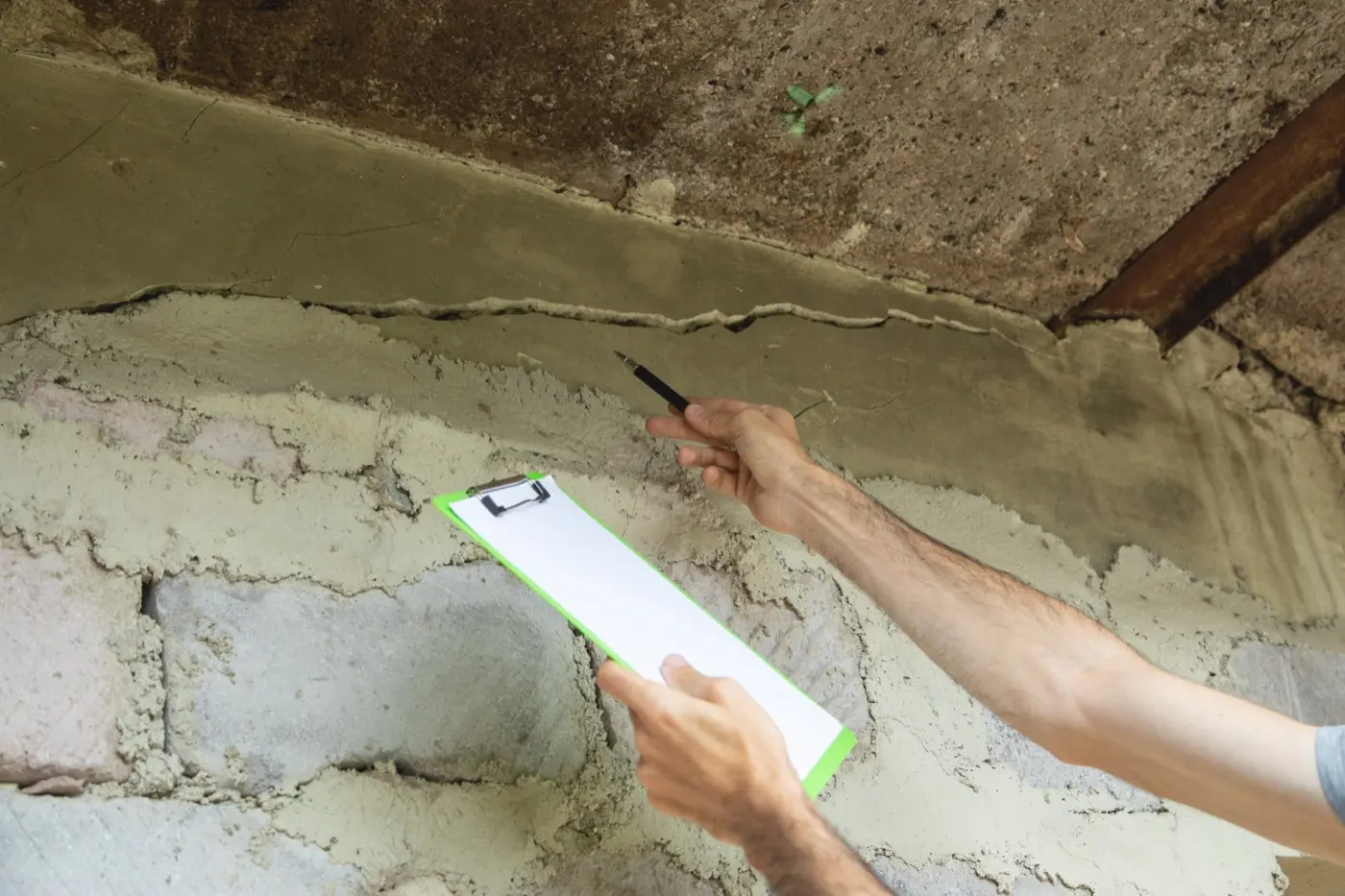
- Interior and exterior checks of cracks, doors, windows, uneven floors, brick, trim and the slab edge or stem wall, to identify any damage.
- Crawl space check on pier and beam homes: piers, shims, beams and moisture.
- Drainage and water sources: gutters, grading, sprinklers, trees and signs of a plumbing leak.
- A clear answer, including when the house was simply built out of level and doesn't need work.
When to get a foundation inspection
Most people in Tyler and Longview call after noticing cracks or sticking doors. Just as many call because a house sale is coming up, or because another company has already quoted them for repairs and they want a foundation repair inspection from someone else.
New or growing cracks
Cracks over doors, stair-step cracks in brick, or a crack you marked last month that has grown past the pencil line.
Doors and floors that changed
A door that used to close fine and now sticks, or a floor that feels different than it did last year.
Buying a house
An older pier and beam home, a house with fresh patching, or one where the seller's disclosure mentions foundation work.
Selling, or the inspector flagged it
A buyer's inspector wrote "foundation" in the report and you need to know whether it's real movement before you negotiate.
After a leak or a hard season
A plumbing leak, a long dry summer like 2011 or a hard freeze like February 2021 are when hidden movement shows up.
A quote that seems too big
Someone quoted a lot of piers. A second set of readings tells you whether the house needs them.
Not sure it's worth an inspection? Describe what you're seeing and a local specialist will tell you honestly, and usually calls back within one business day.
Call (903) 522-4592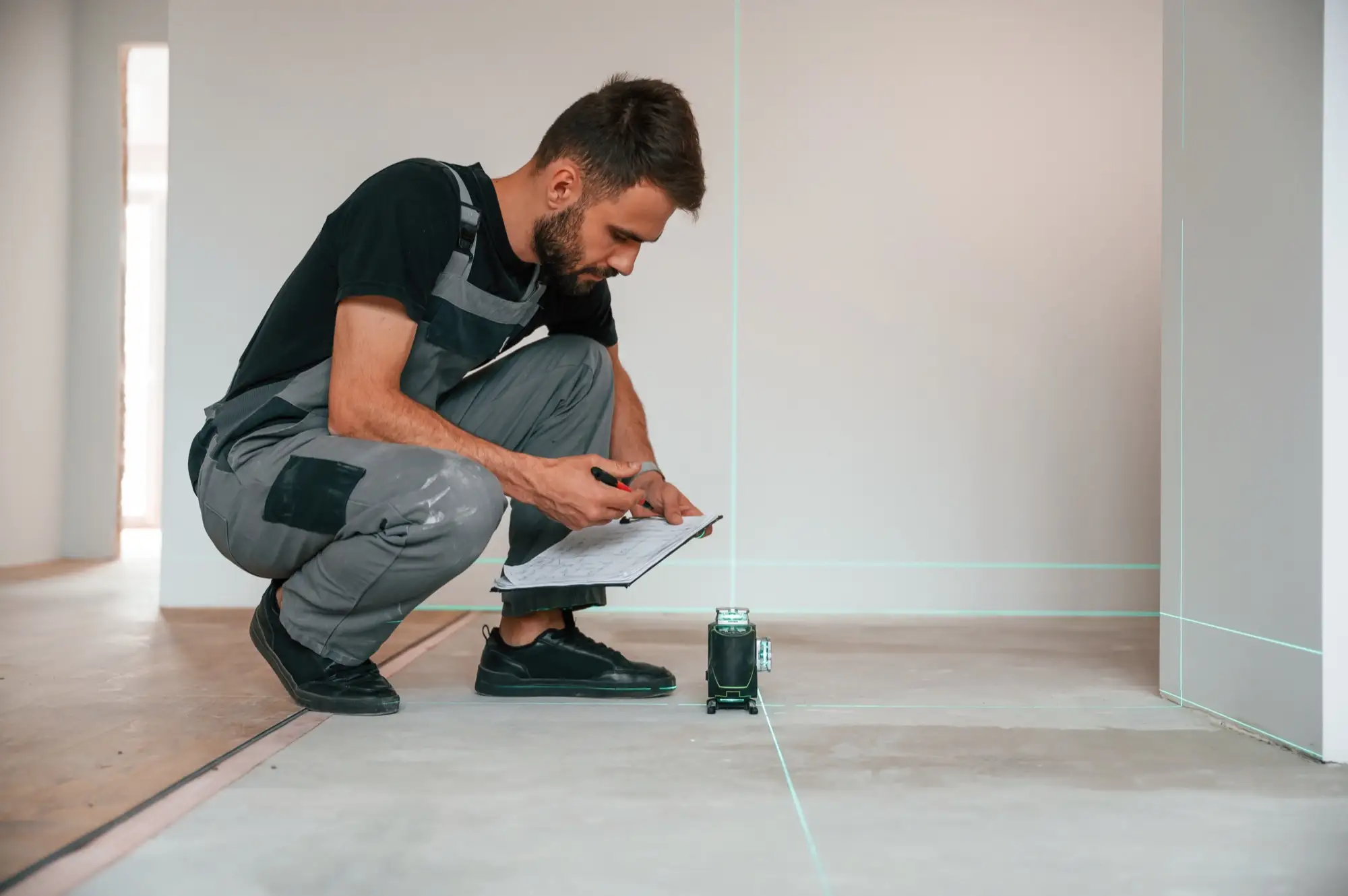
How a foundation inspection works
From the first call to the written findings, here's what to expect when a local specialist comes out anywhere in Smith or Gregg county.
- 1
Tell us what you're seeing
Call or send the form. A local specialist calls back, usually within one business day, to set a time that suits you.
- 2
Outside walk-around
Brick, slab edge, grading, gutters, downspouts, trees and sprinklers: everything that touches the foundation.
- 3
Inside the house
Cracks, doors, windows, floors and trim in every room, checked against what you've noticed.
- 4
Floor elevation readings
Readings across the whole floor, or under the house on pier and beam, to map high and low areas.
- 5
Findings explained on the spot
What's moving, what isn't, the likely cause, and what you can leave alone.
- 6
Written plan if repair is needed
If the house does need work, ask for the plan and price in writing. If it doesn't, a good specialist will say so.
What you get from the inspection
Whatever the inspection finds, you should leave with these. They're what let you compare bids, talk to a buyer, or simply stop worrying.
Foundation specialist inspection vs structural engineer report
Both measure the house. They answer different needs.
Readings, the cause, and a repair plan and price from people who do the work. The right first step for most homeowners.
An independent, sealed opinion with no repair to sell. Worth it for a home sale, a large repair or when two quotes disagree.
Texas engineers are licensed by the state board, and you can look up any engineer's license on the Texas Board of Professional Engineers and Land Surveyors site. A good repair specialist will work to an engineer's plan when you have one. Do I need a structural engineer?

Buying or selling a home with foundation questions
Homes around Tyler and Longview change hands with foundation questions all the time. A buyer's home inspection will often note that a house is "out of level" by an inch or more. That number alone doesn't prove the foundation moved. Many East Texas homes were built with some slope, and it never changed.
A foundation inspection with full elevation readings shows whether the slope is old or new, and whether any repair is needed. For sellers it can keep a sale on track. For buyers it means negotiating on facts, not a scary number.
Keep in mind what you're getting. This is a foundation specialist's evaluation and repair estimate, not a licensed TREC home inspection or an engineer's report. Use it alongside your home inspector's report, not in place of it.
Get a call backFind out what's really going on with your foundation
Get the readings, the cause and a straight answer from a local foundation specialist serving Tyler, Longview and the towns between.
Foundation inspection questions
Talk it through with a local foundation specialist. We'll call you back, usually within one business day.
(903) 522-4592Get a call backHow long does a foundation inspection take?
It usually takes an hour or two, depending on the size of the house and whether there is a crawl space to check. Most specialists go over the findings before they leave.
Is a home inspection the same as a foundation inspection?
No. A general home inspector looks at the whole house and will flag signs of foundation movement, but usually doesn't take floor elevation readings or diagnose the cause. Foundation inspections focus only on the structure, its structural integrity and what is moving it. A foundation inspection from a repair specialist is an evaluation and repair estimate, not a licensed TREC home inspection.
Do I need to be home for the inspection?
It helps. The specialist will want to see the cracks and doors you've noticed, and you'll get the findings explained in person.
What should I have ready?
Photos of cracks with dates if you have them, when you first noticed the problem, any inspection report from a sale, and records of past foundation or plumbing work.
Does a foundation inspection cost anything?
Ask when you call. Inspection terms vary between local specialists, and you'll know before anyone comes out.
Can I check my foundation myself?
You can spot the warning signs yourself: mark the ends of cracks with a pencil and the date, check doors, and roll a marble on the floor. Telling real movement from a house built out of level takes elevation readings. See signs of foundation problems.
If the inspection finds a problem
Most findings lead to one of these. The inspection tells you which one, and whether you need anything at all.
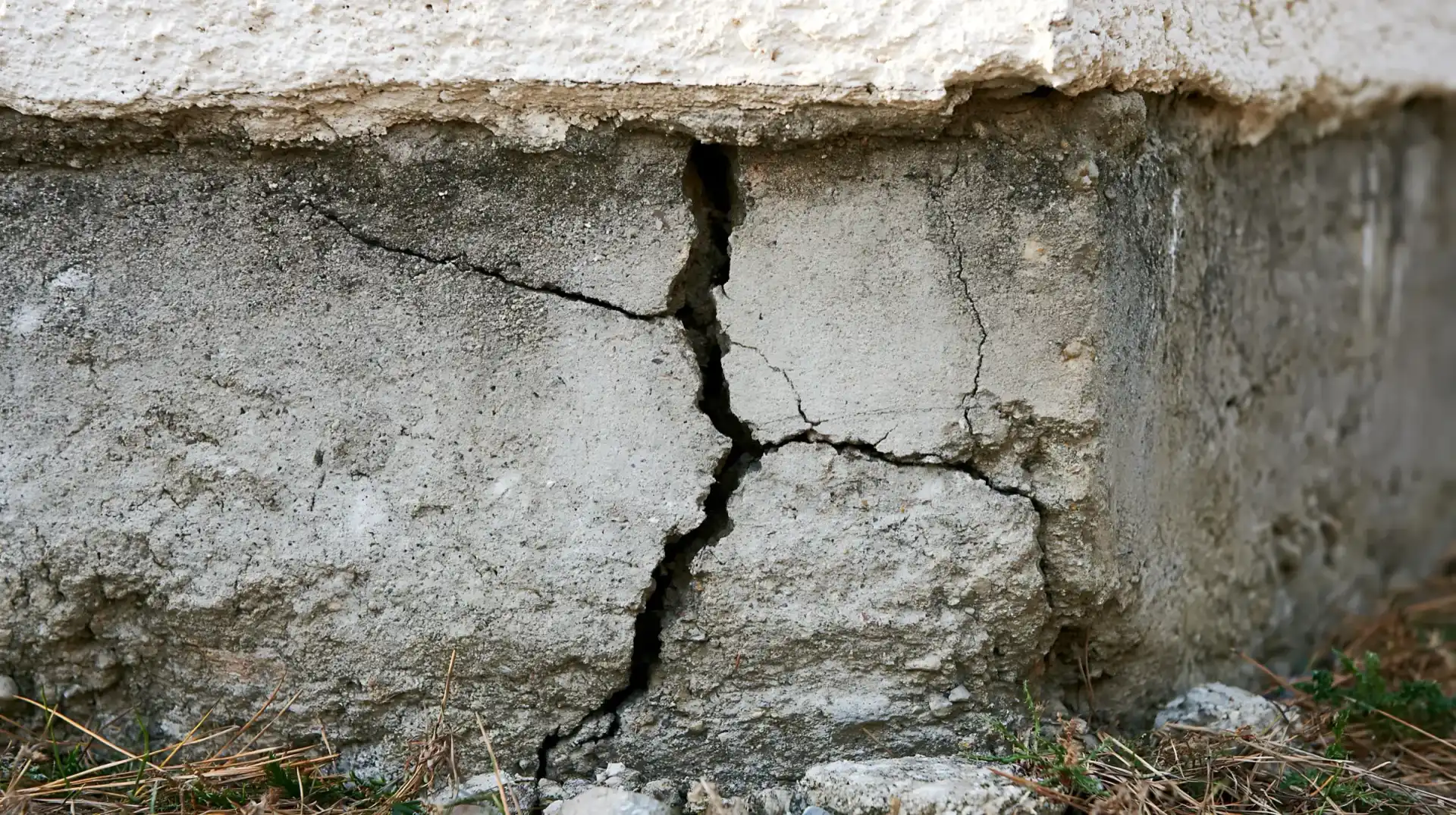
Slab foundation repair
Piers driven to firm soil under a concrete slab that has settled.
Slab foundation repair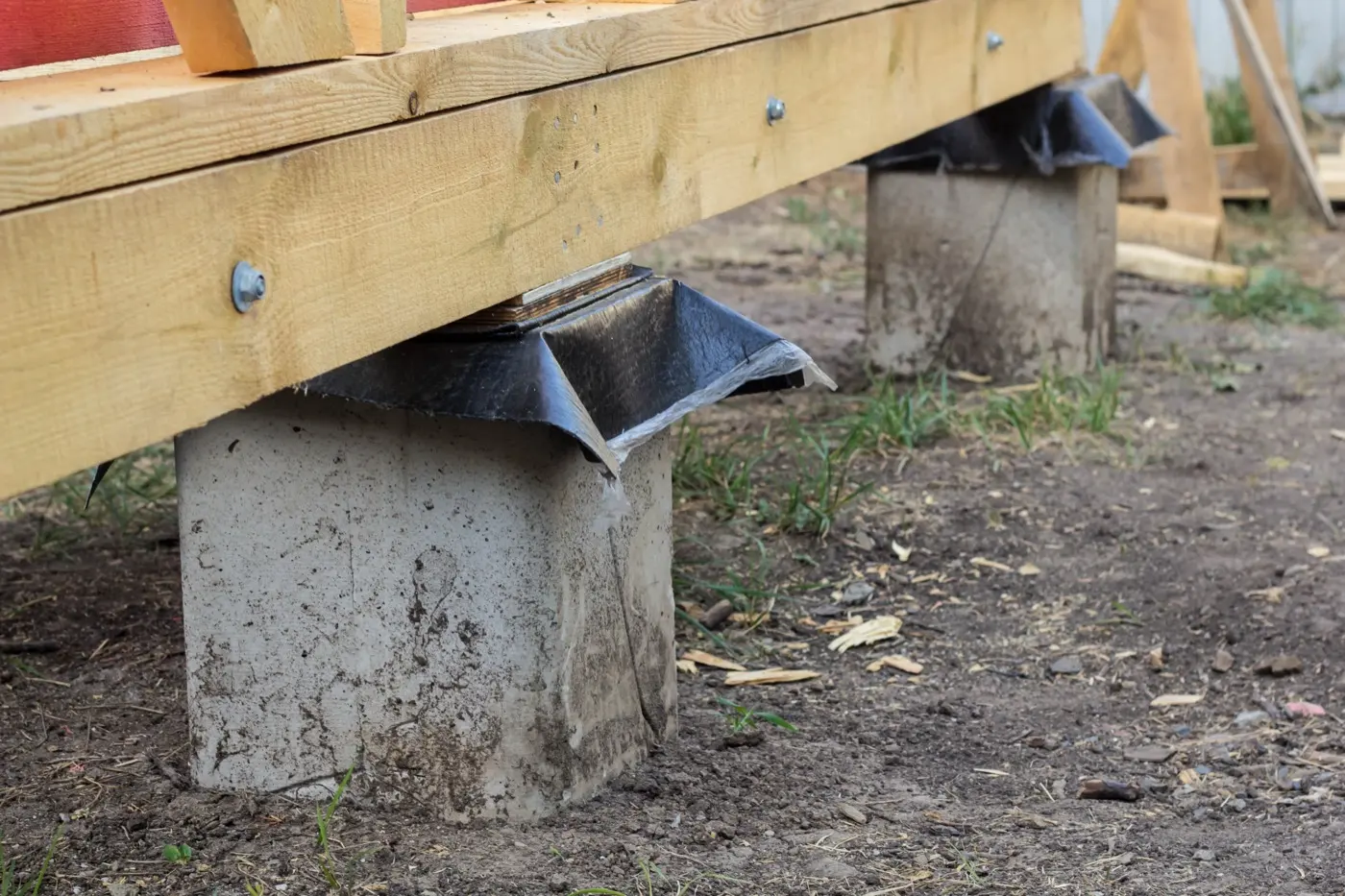
Pier and beam foundation repair
Re-shimming, new supports and rotted beam replacement over a crawl space.
Pier and beam foundation repair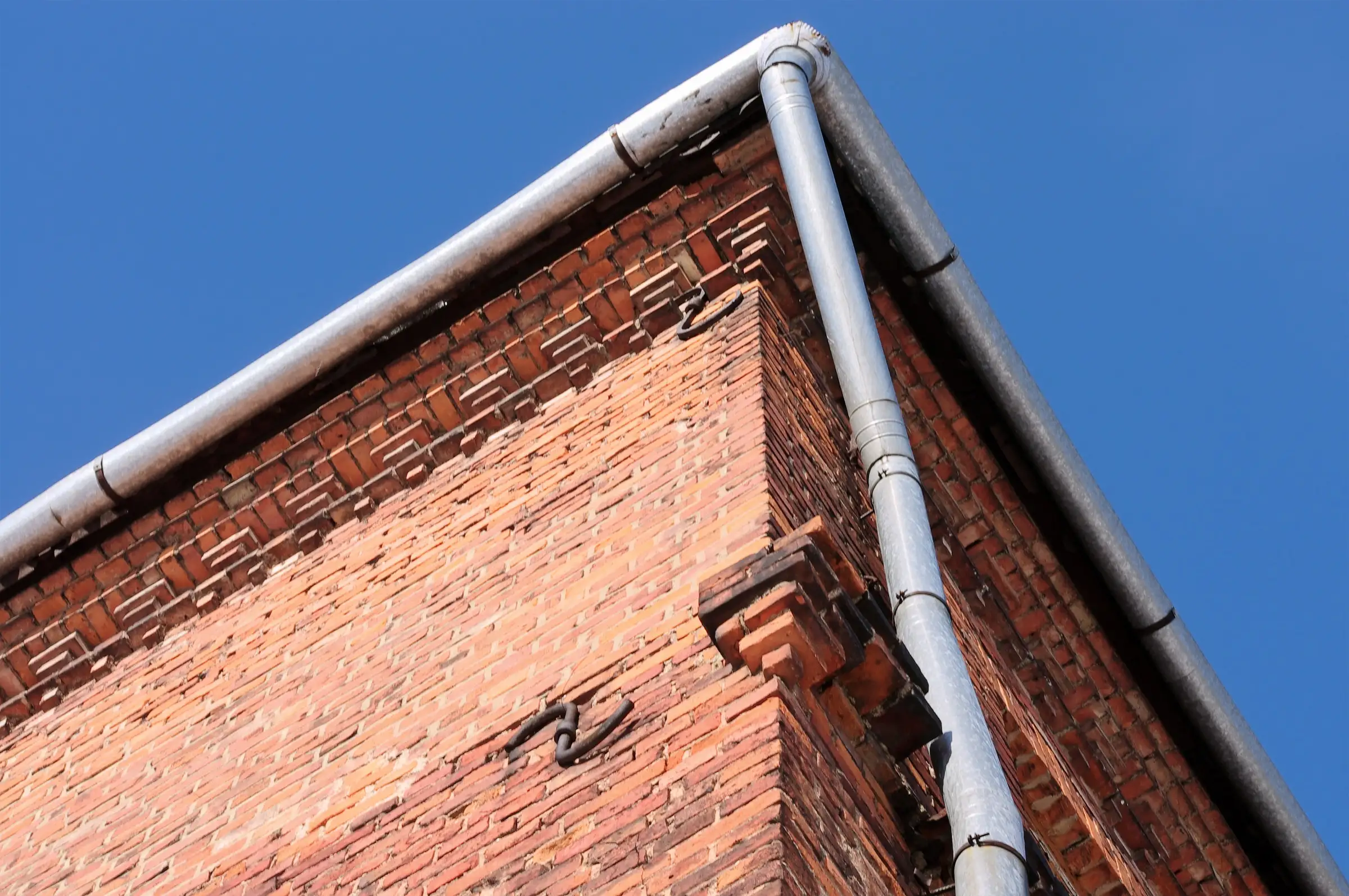
Foundation drainage solutions
Gutters, regrading and French drains that fix the water behind the movement.
Foundation drainage solutions