
- Home
- Service area
Foundation repair across Smith and Gregg counties
Foundation repair doesn't stop at the Tyler and Longview city limits, and neither do we. From a newer slab in Bullard to an oil-boom crawl-space house in Troup or a lake home at Hideaway, we set up an inspection with a local foundation specialist who takes floor readings and puts any repair plan and price in writing. Sabine Valley Foundation Repair connects homeowners with independent local foundation specialists.
Foundation repair services across both counties
A local specialist starts with an on-site inspection and floor readings, in town or out on a county road. These are the services local specialists provide across Smith and Gregg counties.
Slab foundation repair
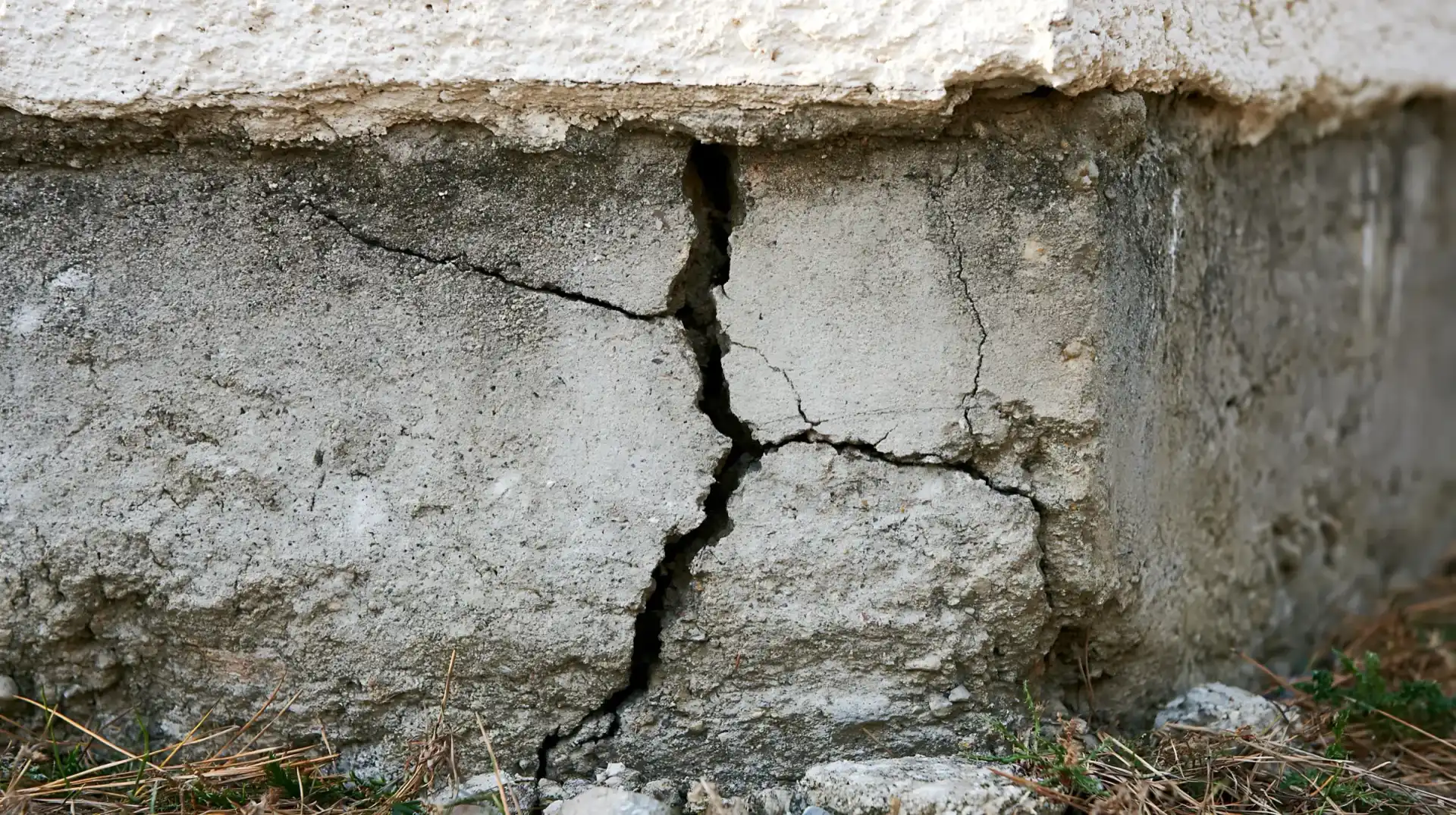
For the slab homes in Whitehouse, Lindale, Bullard and White Oak: piers under the part that settled, then a measured lift.
Slab foundation repair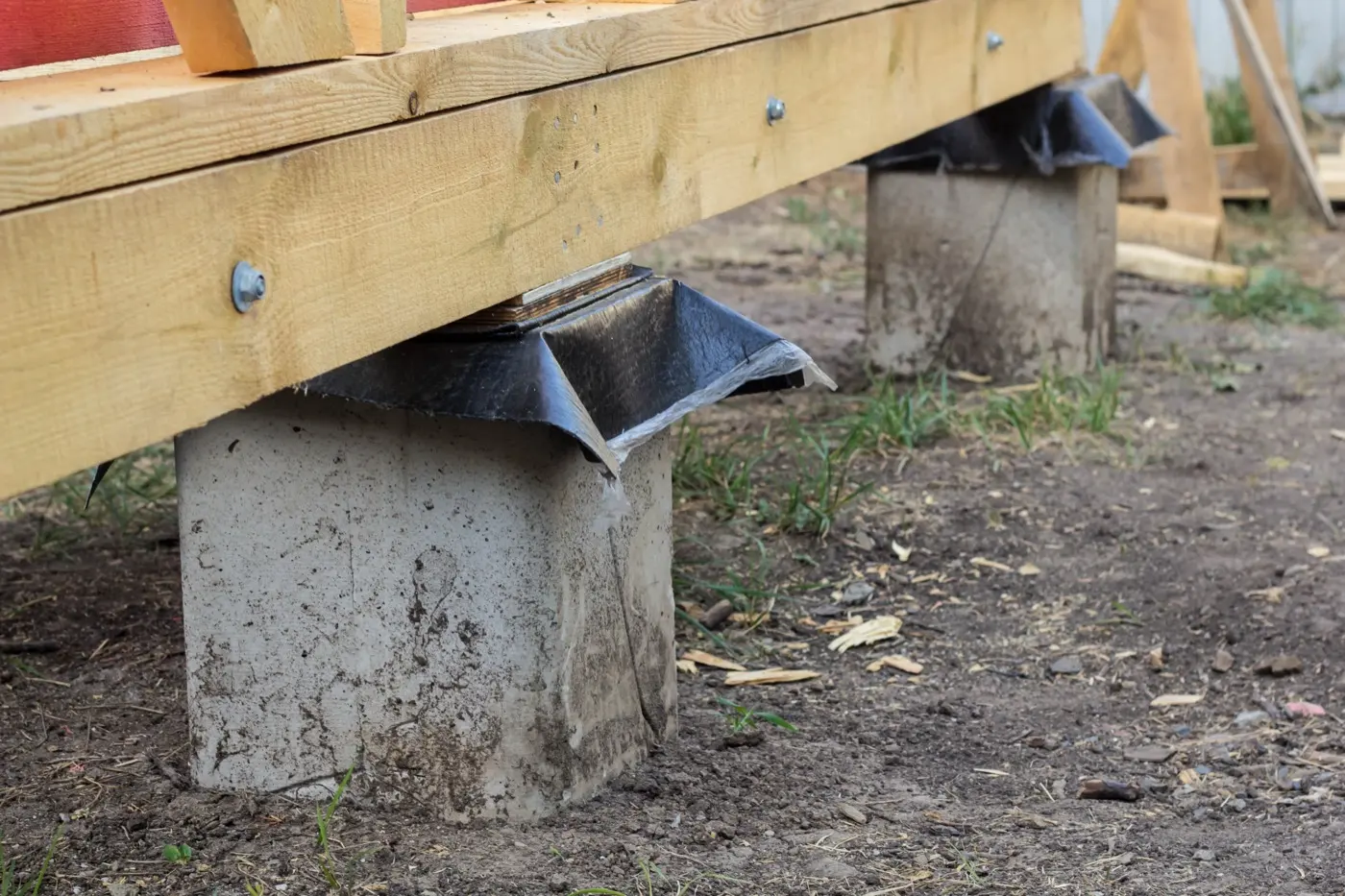
Pier and beam repair
For the older crawl-space houses in Troup, Arp, Overton, Kilgore and Gladewater: new supports, shims and rotted sills.
Pier and beam repair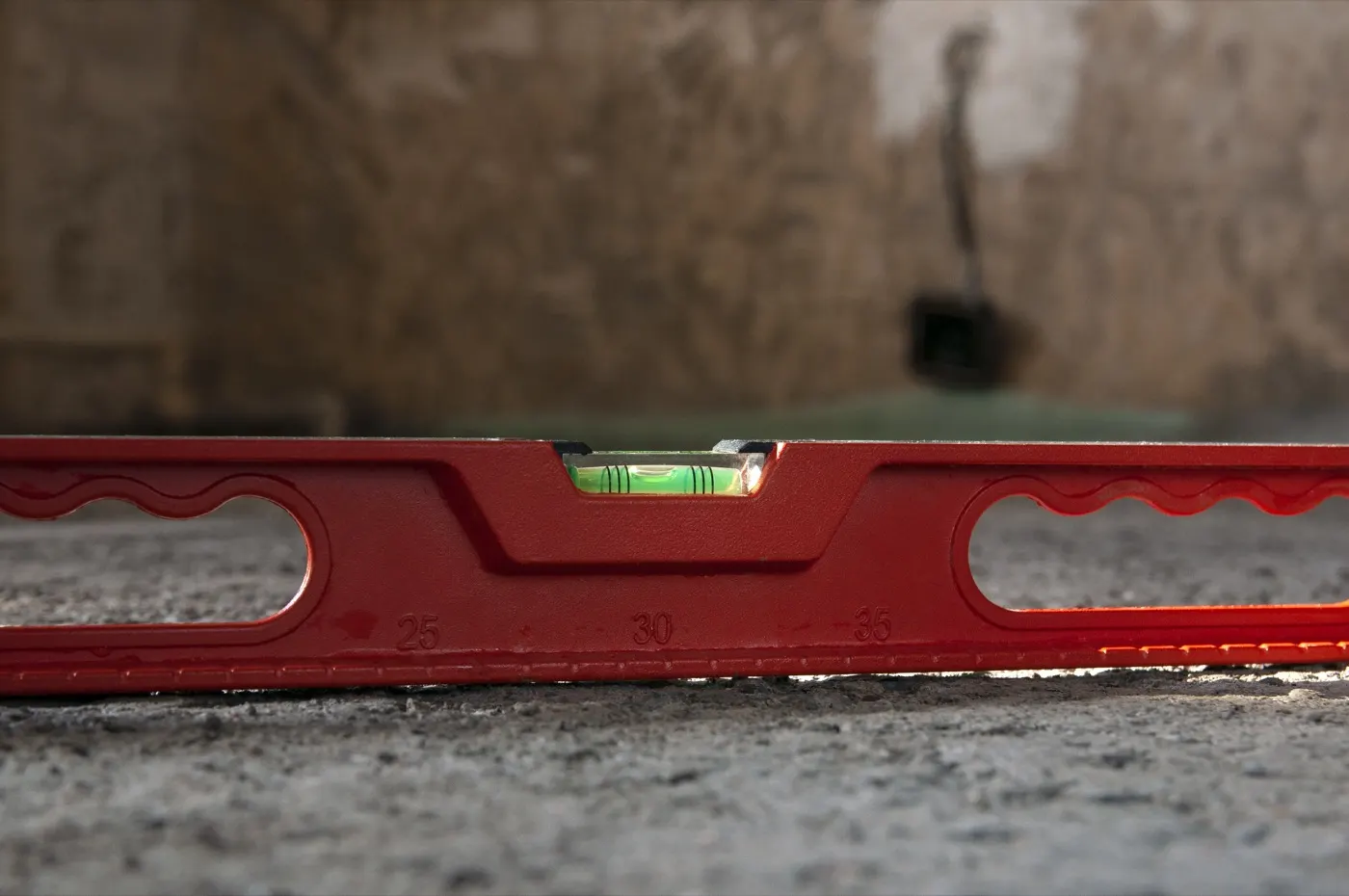
House leveling
For floors that run downhill, measured room by room before and after.
House leveling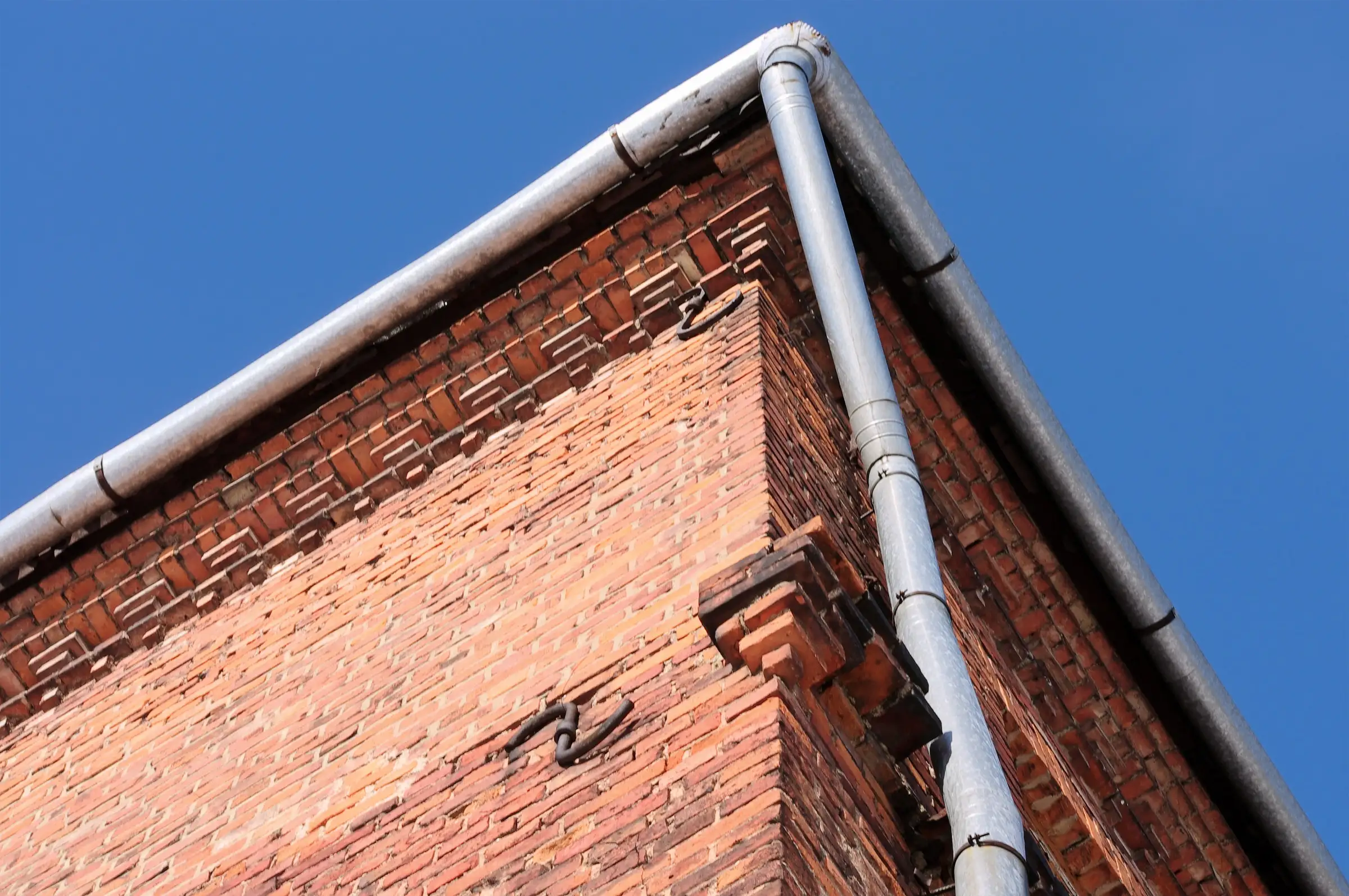
Foundation drainage
For lake lots and sloping yards that send rain under the house.
Foundation drainage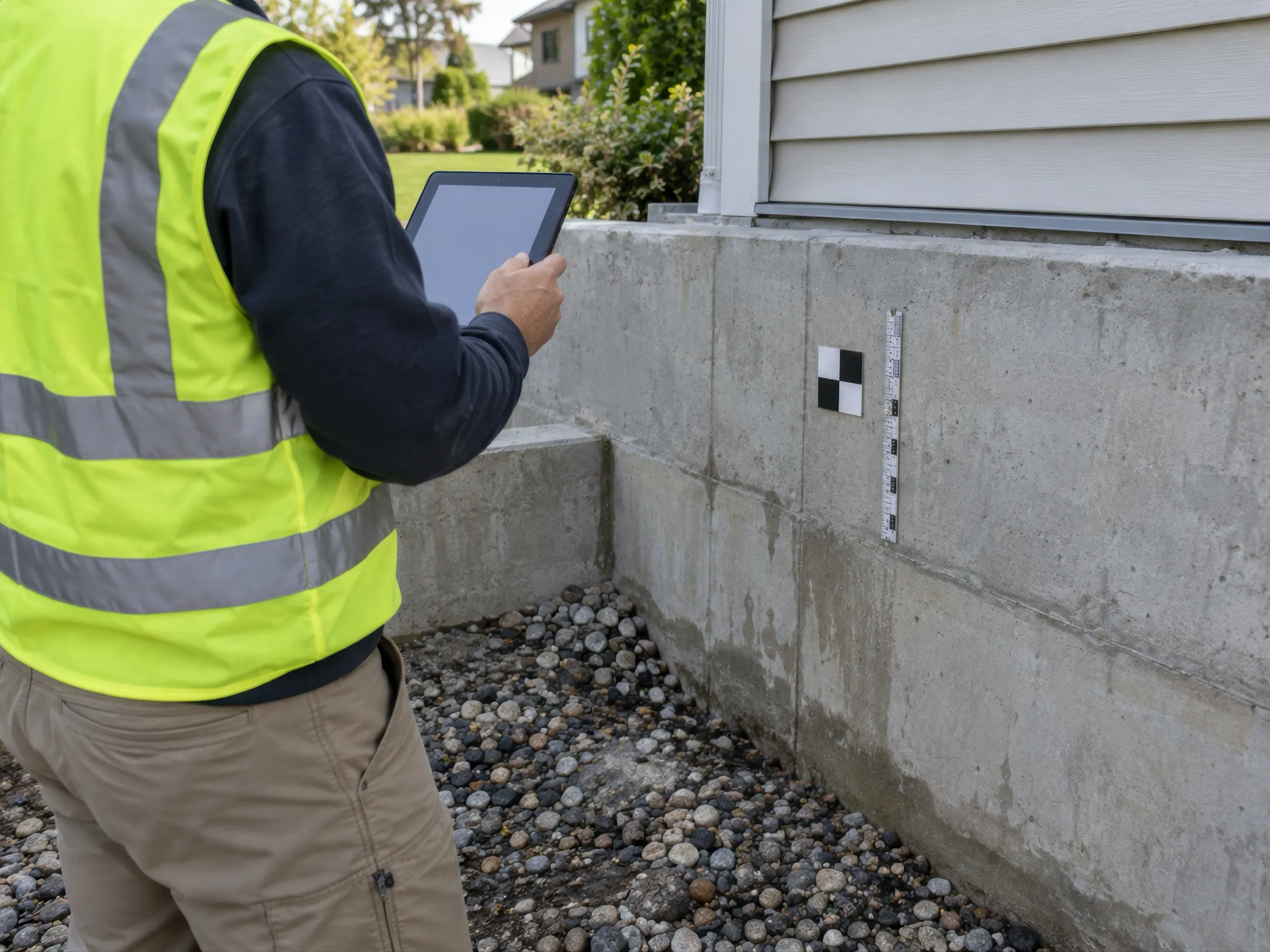
Foundation inspections
Floor readings and a straight answer before you buy a county property or sign a quote. It's a specialist's evaluation, not a TREC home inspection.
Foundation inspectionsOut in the county and not sure who comes that far? Call with your town or nearest crossroads and we'll pass it to a local specialist.
(903) 522-4592Get a call backTowns we cover, and what the houses are like
Four corners of the two counties, four kinds of house. Here's what specialists usually find in each, and the work it most often leads to.
Whitehouse, Lindale, Bullard and the newer towns around Tyler
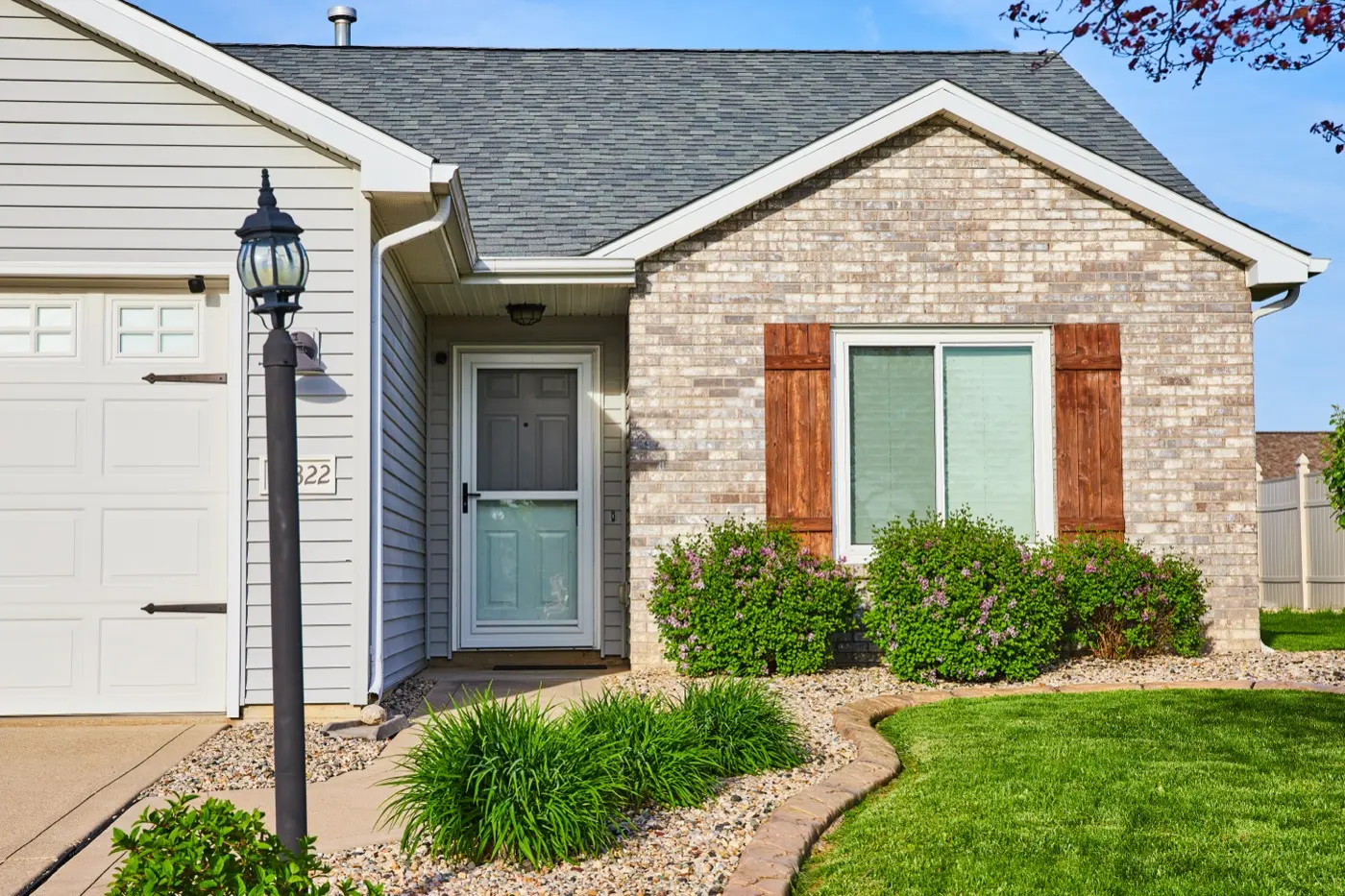
Calls from the towns ringing Tyler are mostly about a slab poured in the last thirty years. Whitehouse, Lindale and Noonday have a median build year of 1995. On these houses the specialist looks at the yard before the concrete. Once fences, beds and a patio go in, the ground by the back wall often goes flat or tips toward the house, and one side of the slab stays wetter than the other.
The soil changes from road to road too, from deep sand to sandy loam over clay, so the readings come before any theory. If they show one corner dropped, repairing a settled slab means piers pushed to firm soil under that corner. Inside the city limits, Tyler's older neighborhoods and city permits make it a different job.
Lake homes on Lake Tyler, Lake Palestine, Hideaway and Emerald Bay
The lake houses are younger than most people guess. Hideaway lots went on sale in 1967 and its median home dates from 1984. What moves these houses is the slope. A house cut into the hill above a cove sits on cut ground uphill and fill downhill, and every hard rain runs under the low side.
So the fix usually starts with moving the water: a regraded bed, longer downspouts or a French drain that carries runoff past the low side. If two sets of readings taken months apart match, the fill may simply have finished settling. Lake Tyler lots also carry City of Tyler paperwork, a lake approval form plus a building permit.
Troup, Arp, Overton and Winona: older houses on crawl spaces
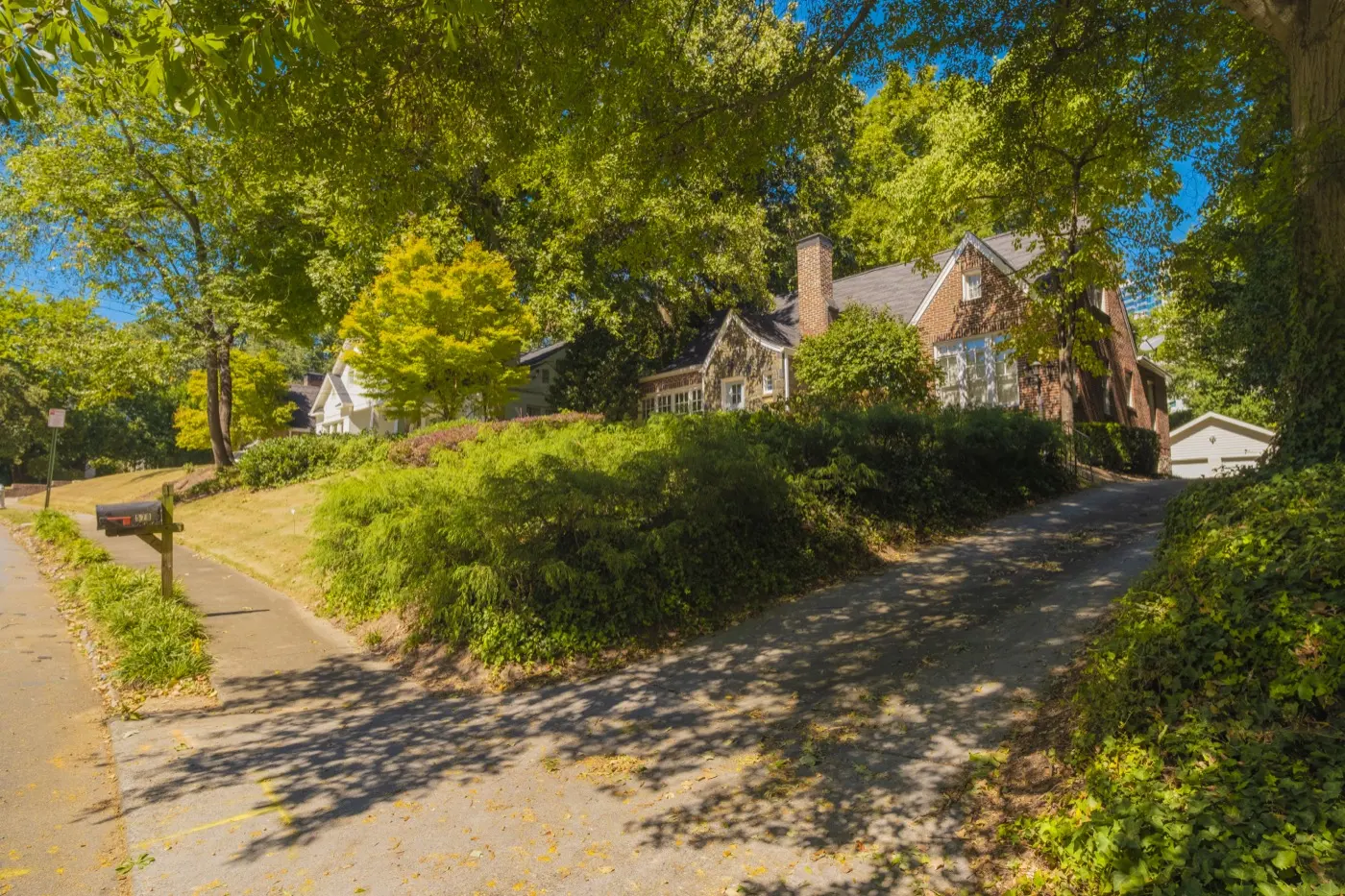
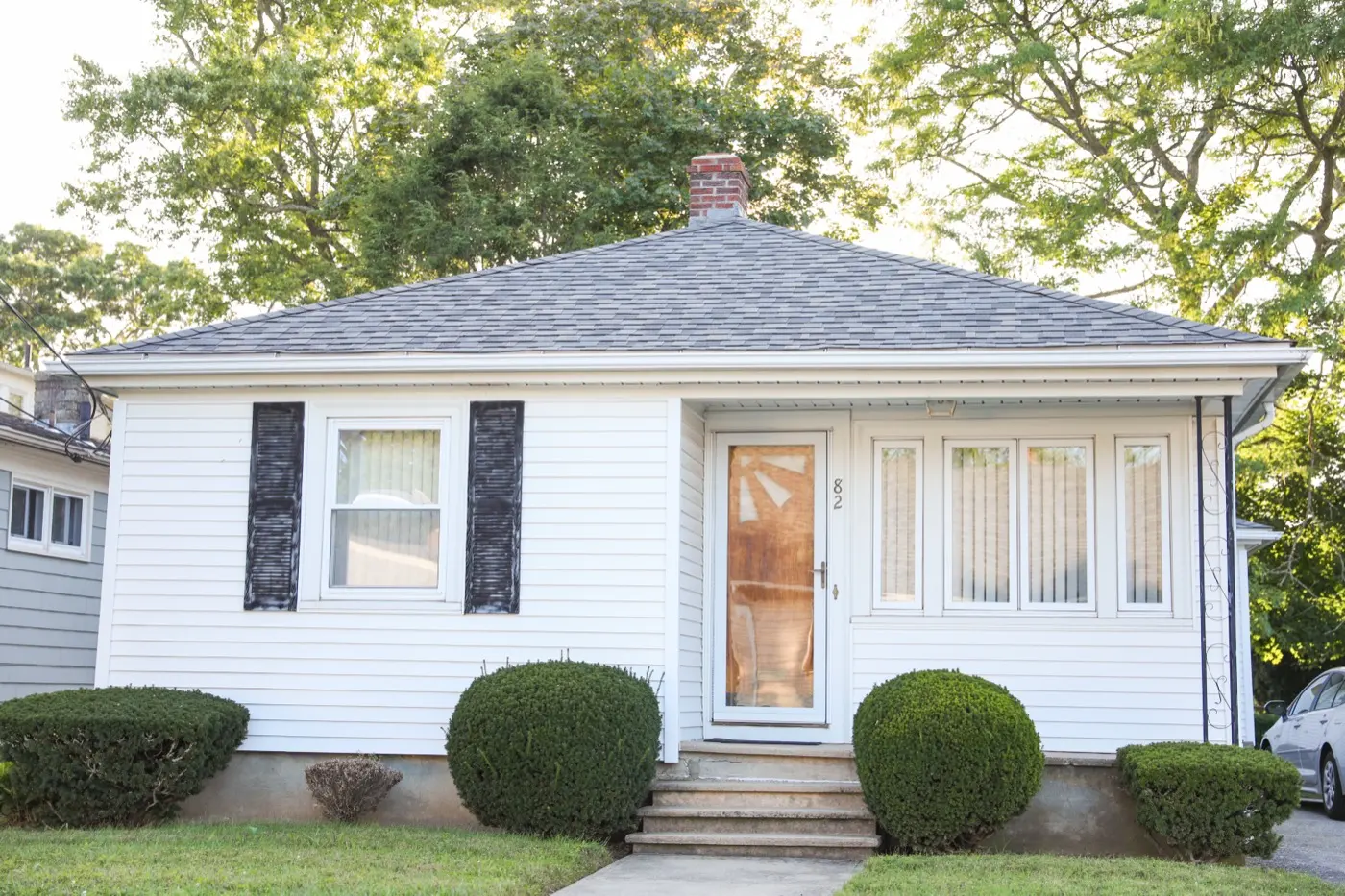
Head southeast from Tyler and the houses get older fast. Between 37 and 41 percent of the homes in Arp, Troup and Overton went up before 1960, against 26 percent in Tyler. Overton grew from a few hundred people to about 3,000 in two years after the East Texas oil field came in, and houses from that era usually sit on piers over a crawl space.
Vents in the brick or skirting, or a small access door, tell you from the yard. Floors that sag or slope in one of these houses usually come down to rotted sills, crushed shims or a sunken pier. Each has its own pier and beam repair: new wood, steel shims or a new support.
Gladewater, White Oak, Liberty City and the rest of Gregg County
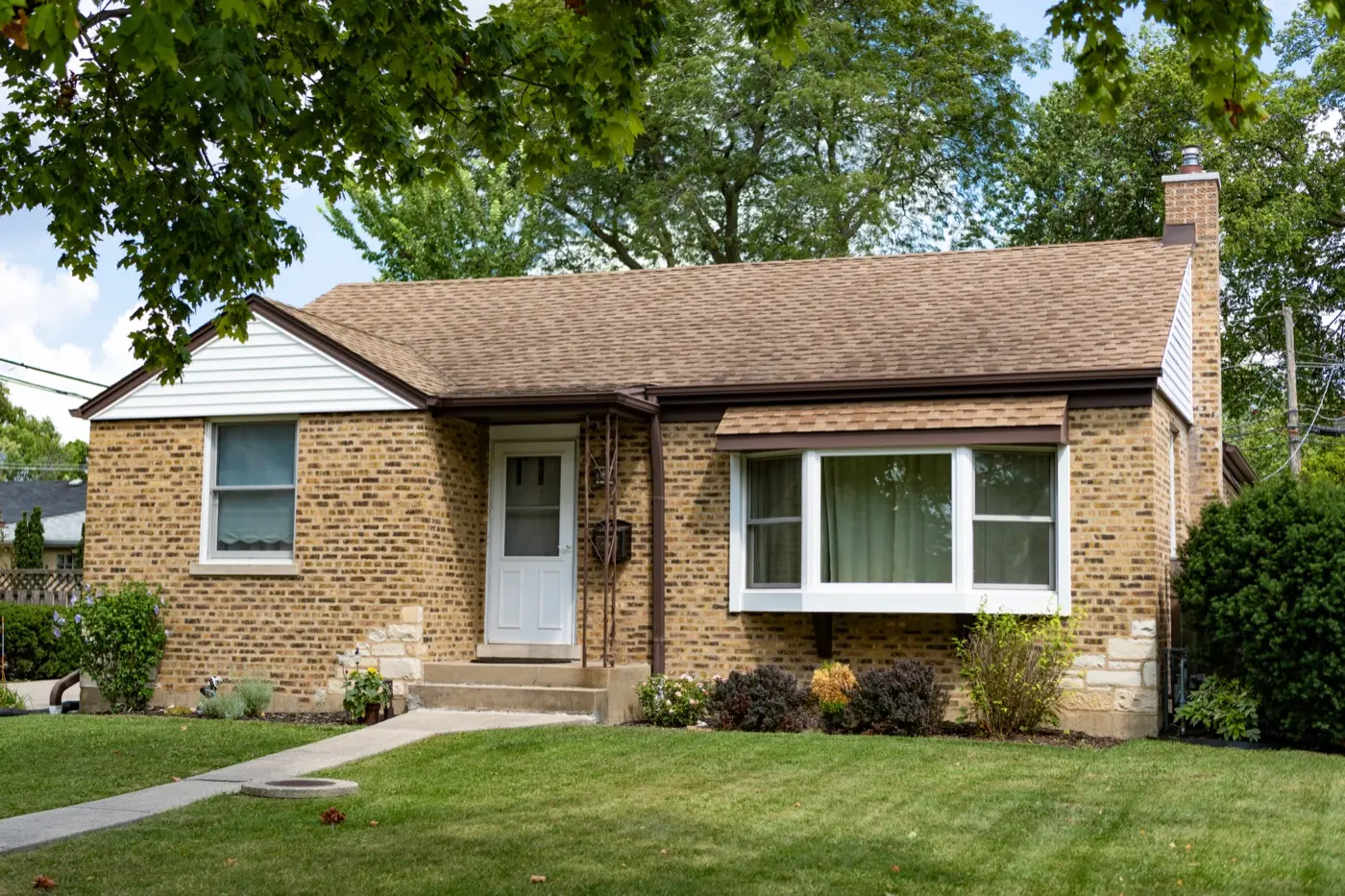
West of Longview the houses show the oil boom in layers. A quarter of Gladewater's homes predate 1960, and the Sabine bottom below town holds a floodplain clay, named for Gladewater, that can crack up to 2 inches wide in a dry spell. White Oak is younger, with a median home from 1982, and mostly sits on slabs.
Kilgore has the oldest housing on this side of the county, and foundation repair in Kilgore often means crawl-space work. Pine Tree and Spring Hill are inside Longview's city limits now, and Hallsville sits just over the Harrison County line. To see what your own lot sits on, look it up in the free USDA Web Soil Survey and check the shrink-swell ratings for East Texas soils.
Tell us the town and we'll find the specialist
From Bullard to Hallsville, call with what you've noticed. The visit starts with floor readings, and the plan and price come from the specialist in writing.
How old the houses are, town by town
The Census doesn't record what a house sits on, but the year it was built gets you close. Crawl spaces were common here until about the 1960s, and slabs took over after that.
| Town | Median year built | Built before 1960 | What most houses sit on |
|---|---|---|---|
| Bullard | 2006 | 5% | Slab, most of it built since 2000 |
| Whitehouse | 1995 | 6% | Slab |
| Lindale | 1995 | 7% | Slab |
| Noonday | 1995 | 8% | Slab |
| Liberty City | 1992 | 7% | Slab |
| Emerald Bay | 1987 | 0% | Slab, many on sloping lake lots |
| Lakeport | 1987 | 4% | Slab |
| New Chapel Hill | 1986 | 21% | Slab, with some older crawl-space houses |
| Easton | 1986 | 13% | Mostly slab (about 200 homes) |
| Hallsville | 1985 | 22% | Mostly slab around an older core |
| Hideaway | 1984 | 0% | Slab, many on sloping lake lots |
| Winona | 1984 | 25% | A mix of slab and crawl space |
| White Oak | 1982 | 10% | Brick on slab, much of it 1960s to 1990s |
| Clarksville City | 1982 | 22% | A mix (about 360 homes) |
| Gladewater | 1976 | 26% | A mix, with crawl spaces in the older streets |
| Kilgore | 1973 | 34% | Many crawl-space houses |
| Troup | 1971 | 37% | Many crawl-space houses |
| Arp | 1970 | 41% | Many crawl-space houses |
| Overton | 1967 | 37% | Many crawl-space houses |
Source: US Census Bureau, American Community Survey 2020-2024, by place. Smith County as a whole: median 1986. Gregg County: 1980. Small towns have wide margins of error, and foundation types are what's typical for the era, not a rule for every house.
Rules that still apply outside city limits
Outside the cities, Smith and Gregg counties generally don't issue permits for a foundation repair, so the floor readings and pier log the crew leaves are the only record the house has. Inside any town, its own code applies, and gated lake communities set their own rules for crews. When you choose a foundation repair company, ask for that readings and pier log in writing.
Every town we cover, by county
If your town isn't here, call anyway. Coverage follows the roads, not the county line.
Tyler, Whitehouse, Lindale, Bullard, Noonday, New Chapel Hill, Hideaway, Troup, Arp, Winona and the Smith County side of Overton.
Flint, Chapel Hill, Emerald Bay, the Lake Tyler and Lake Tyler East shores, the Lake Palestine shore and the farm roads in between.
Longview with Pine Tree and Spring Hill, Kilgore, White Oak, Gladewater, Liberty City, Lakeport, Clarksville City, Easton and Judson.
Hallsville in Harrison County, plus the Rusk County sides of Overton and Kilgore.
Questions from outside the cities
Talk it through with a local foundation specialist. We'll call you back, usually within one business day.
(903) 522-4592Get a call backI live outside city limits. Who issues a permit for foundation repair?
Usually nobody. Smith and Gregg counties generally don't issue repair permits outside the cities, so no inspector checks the work. Two exceptions are worth knowing: a house in a mapped flood hazard area, and a house on a leased Lake Tyler lot. Ask for the floor readings and a pier log when the job is done. Out here, that's the only record the house will have.
Can piers go in near my septic tank or field lines?
They can, but find the lines first. 811 doesn't mark septic systems, and a pier hole at the back of the house is often right where a line leaves the tank. If a line gets broken, the repair goes through the county's septic program. In Smith County that's run by a county contractor; the county's septic program lists the number.
My lake house sits on a slope. Will it keep sliding downhill?
Houses on lake slopes usually don't slide. More often, the downhill side settles because it sits on fill, or water running down the hill keeps soaking that side. Fix where the water goes first. If two sets of floor readings taken a few months apart match, the house may need nothing more.
I’m buying a house out in the county. How do I find out about past foundation work?
Ask the seller, in writing. With no county permit, there’s no public file to look up, so the seller’s papers are all there is: the repair contract, the pier log, the warranty and whether it transfers. The Texas seller’s disclosure notice asks about the foundation and about past structural repairs, so read those answers closely. Then have the floors measured before the option period ends.
Do you come out to my road if my town isn’t listed?
Very likely. Specialists cover all of Smith and Gregg counties, including farm roads and unincorporated land, plus Hallsville and the Rusk County side of Overton and Kilgore. Call with the nearest town or crossroads and we’ll tell you who covers it.