
- Home
- Kilgore, TX
Foundation repair in Kilgore, TX
Floors that slope toward the hall, a crawl space that holds water, cracks in the brick by the garage: call (903) 522-4592 and tell us what you see. We connect Kilgore homeowners with local specialists for pier and beam repair, slab repair, house leveling, drainage work and inspections. The specialist takes floor readings, and the plan comes from them in writing before any work starts. Sabine Valley Foundation Repair connects homeowners with independent, local foundation repair professionals.
Foundation repairs for Kilgore homes
The specialist starts with a visit and floor readings. Ask for the plan and price in writing. These are the repairs local specialists do most in Kilgore and the towns around it.
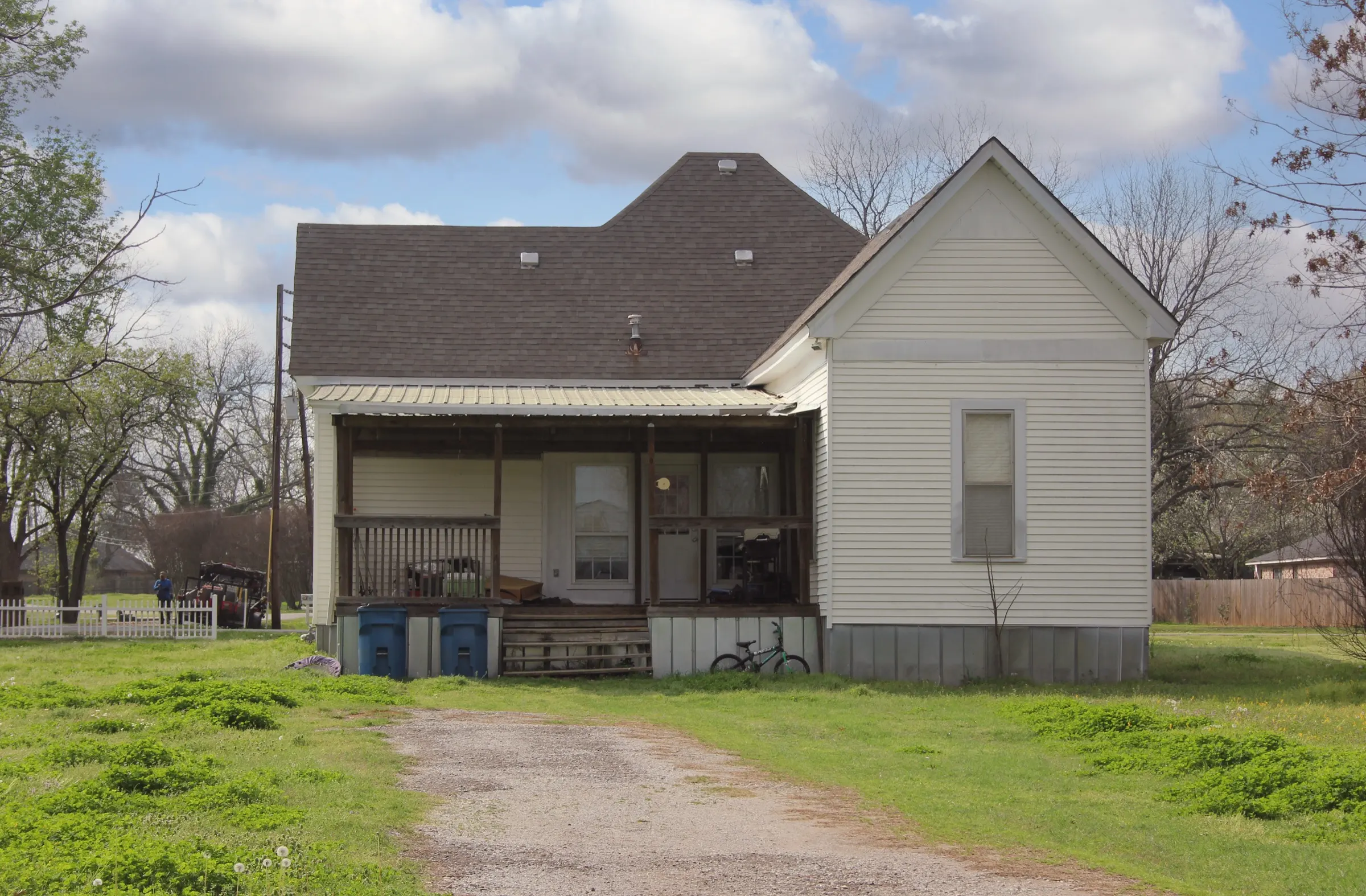
Crawl-space repair for older homes
Steel shims, new piers and rotted sills or joists replaced from below on 1930s to 1950s houses.
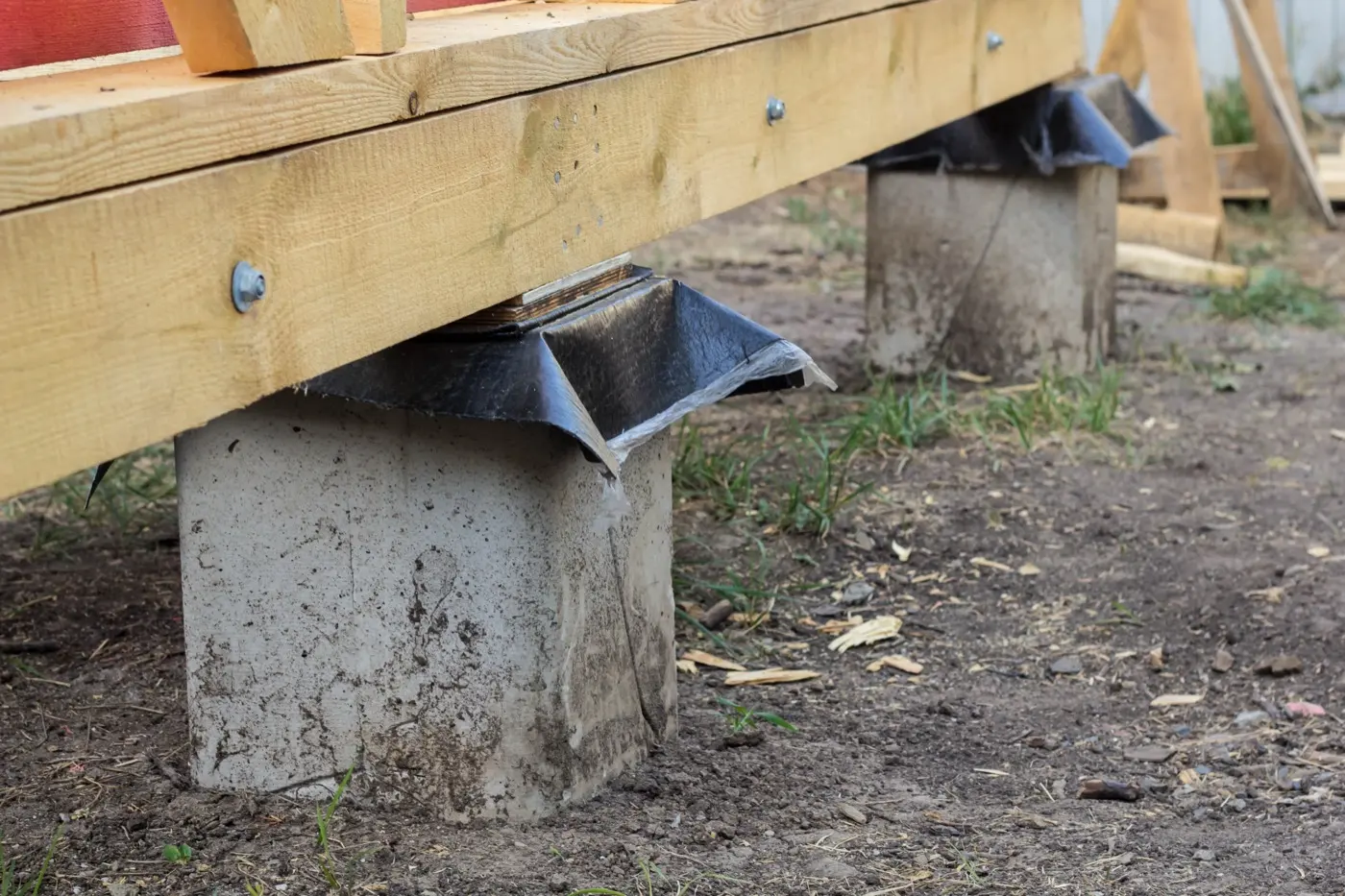
Pier and beam repair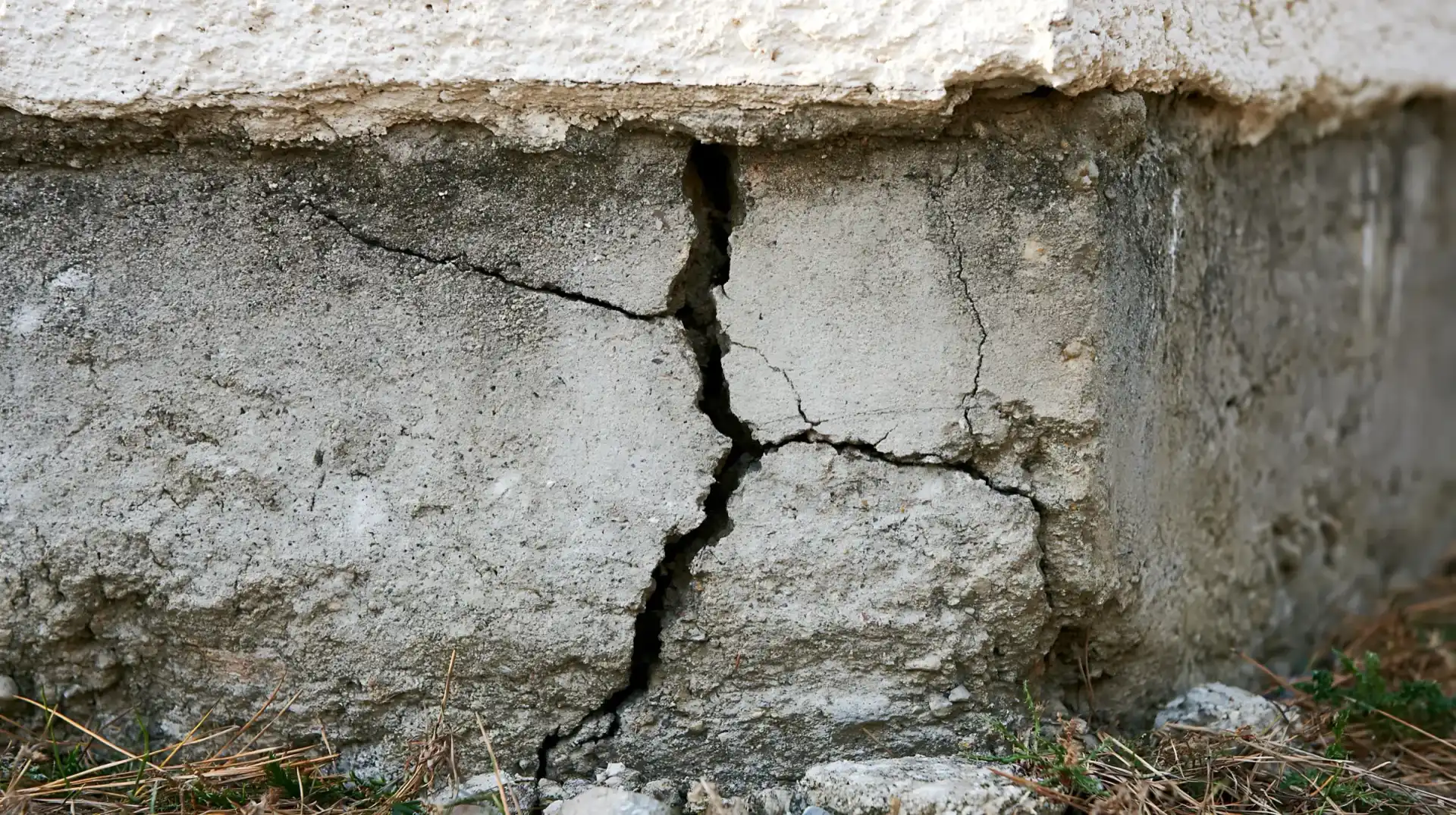
Pressed piers under a settled slab
For the brick ranch homes of the 1960s to 1980s: piers pressed to firm soil under the low side, then a slow lift.
Slab repair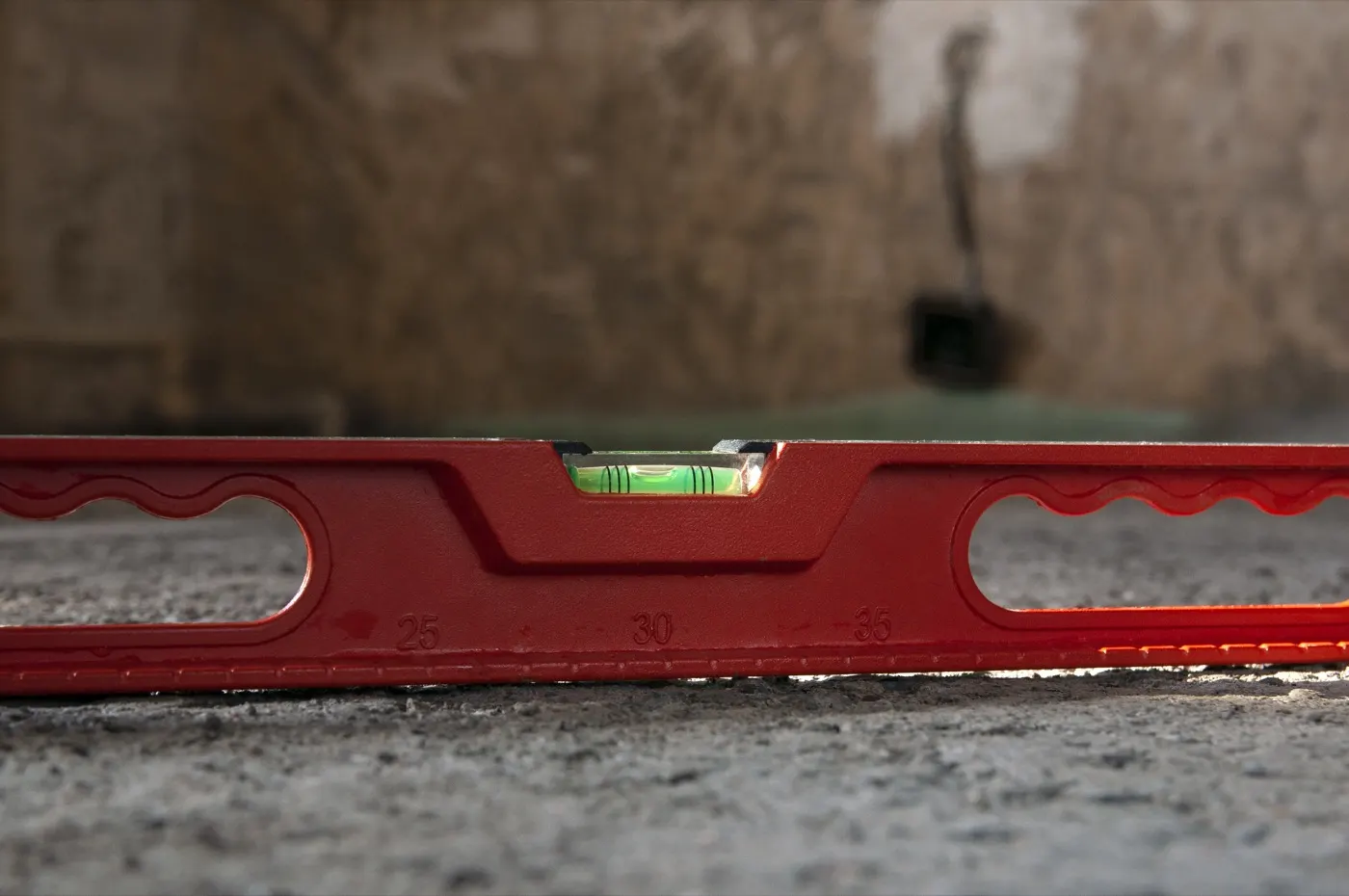
Leveling a sloping floor
Small lifts with readings before and after, so doors close and the brick doesn't crack on the way up.
House leveling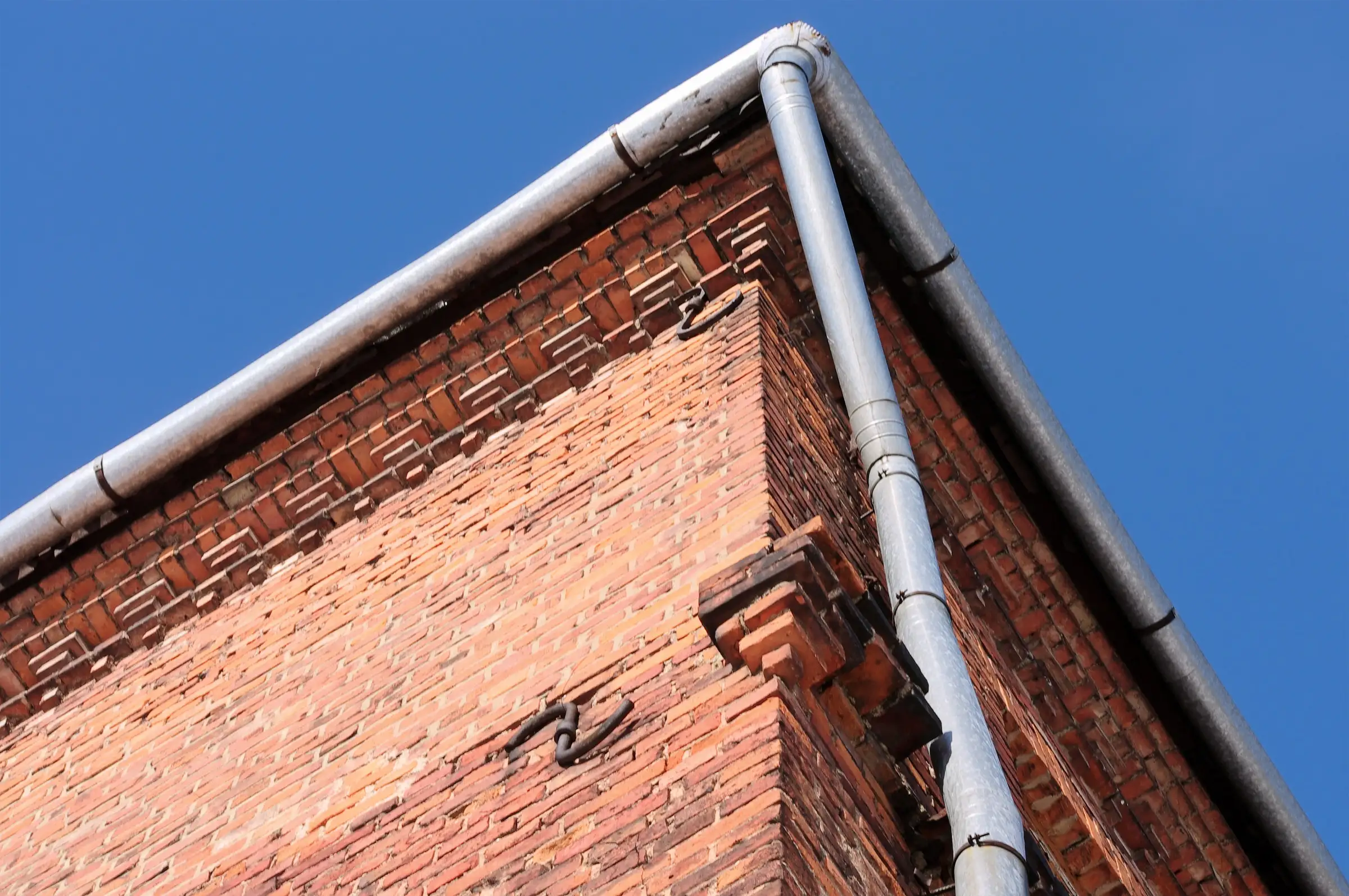
Water away from the house
Gutters, grading and French drains for wet crawl spaces and lots near the creeks.
Foundation drainage
A second look before you buy
Readings and a plain answer on a house you're buying or selling, or a quote you're unsure about. It's a specialist's evaluation, not a TREC home inspection.
Foundation inspectionNot sure if it's the piers, the slab or the water? Call and describe it. We'll pass it to a local specialist, who usually calls back within one business day.
(903) 522-4592Get a call backKilgore houses by the decade they were built
Kilgore went from fewer than 500 people in mid-1930 to 12,000 by 1936, after oil came in around the town. People lived in tents and shacks at first, and on part of one downtown block stood more derricks than anywhere else in the world, the spot still called the World's Richest Acre. Yet the Census shows the most houses went up later, in the 1950s.
| Built | Share of homes | What the specialist usually finds under it |
|---|---|---|
| 1939 or earlier | 7.2% | Kilgore's boom-era frame houses on brick or wood piers, many re-shimmed more than once |
| 1940 to 1959 | 26.9% | The biggest group. Postwar pier and beam houses with a few early slabs; the 1950s alone are 18.7% |
| 1960 to 1979 | 27.2% | Brick ranch houses, most on a slab, some still on piers |
| 1980 to 1999 | 20.3% | Slab homes, nearly all from the 1980s (the 1990s added only 3.2%) |
| 2000 and later | 18.5% | Newer slab subdivisions at the edges of Kilgore |
Source: US Census Bureau, American Community Survey 2020-2024, Kilgore city, table B25034 (5,213 housing units; median year built 1973). Population history from the City of Kilgore. Foundation types are what's typical for each era, not a rule for every house.
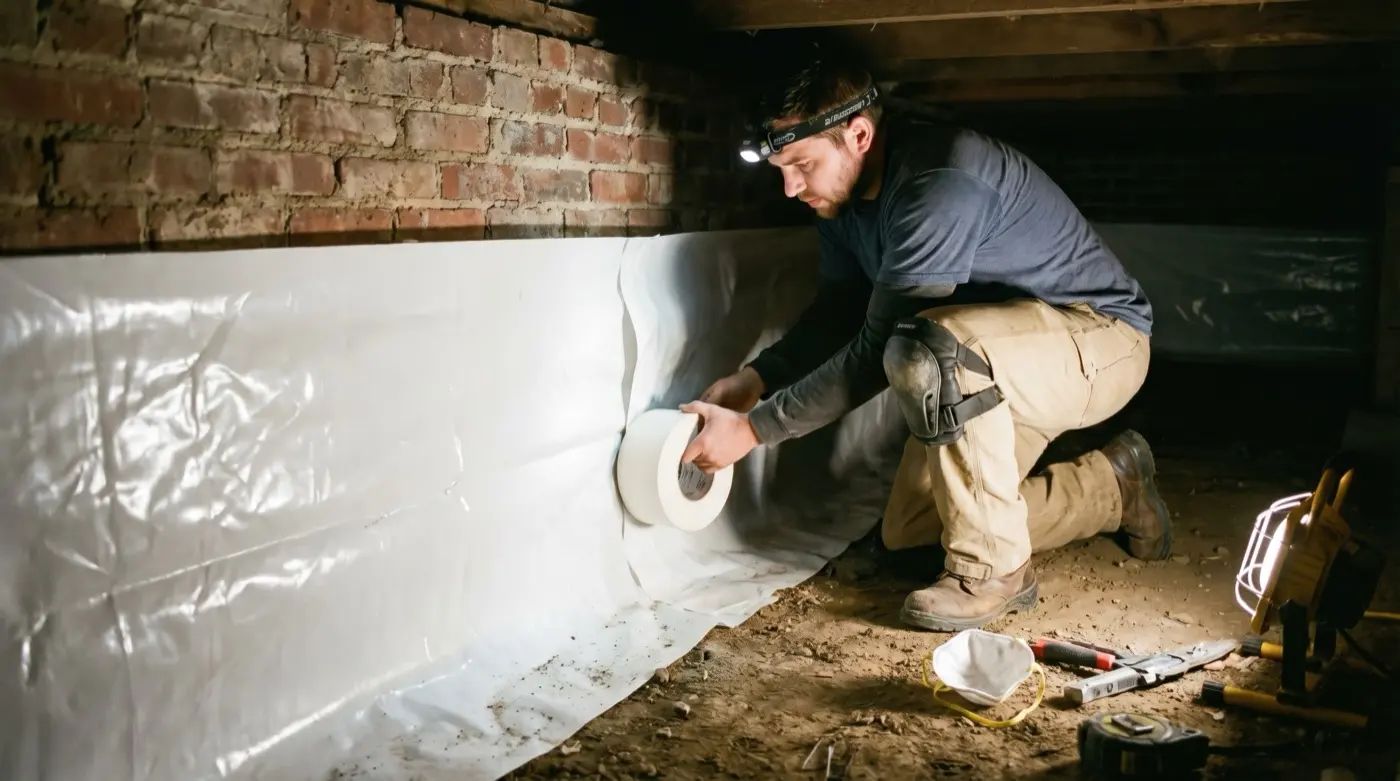
Oil-boom pier and beam houses, and what turns up in the crawl space
A town that grew more than twentyfold in six years had to house people fast. Houses of that era in East Texas were usually frame houses set on short piers, and much of the postwar wave of the 1950s was built the same way. So when a Kilgore homeowner calls about a soft spot in the kitchen, the problem is usually in the crawl space, not the ground under the whole house.
Here's how a specialist works it out. The floor dips in the middle of a room but the outside walls are level, and the brick skirting shows no cracks. A house that sinks takes its walls with it, so this isn't settlement. Under the house they find a pier that has crushed its wood shims, or a pad that sank into wet clay. Sometimes a joist has rotted where a bathroom leaked for years.
That job is new supports and steel shims under one section, plus new wood where it's soft. It's a different repair from pushing piers under a slab. Before anyone quotes, find out whether the sagging floor is a framing problem or a foundation one.
One honest note. Kilgore's 2021 city plan notes that a good share of the town's older, lower-priced houses need updating. On an older house, some slope is just how it was framed eighty years ago, and the right advice is sometimes to leave it alone.
Brick ranch slabs from the 1960s on, where a lift isn't always the answer
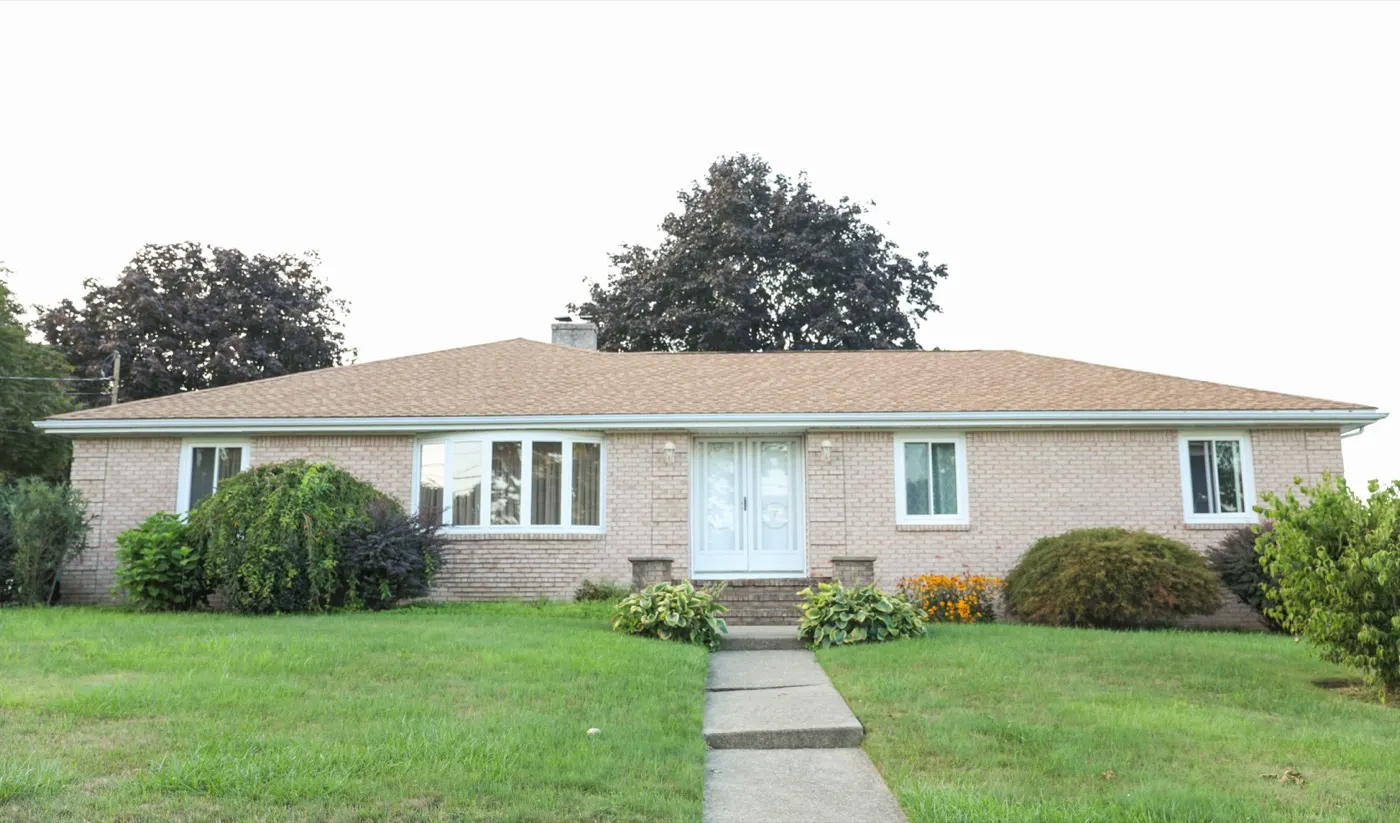
Nearly half of Kilgore's houses went up between 1960 and 1999, and most of those sit on a concrete slab. Calls from these Kilgore homes sound different. It's stair-step cracks in the brick at a back corner, a garage door that no longer meets the floor, or a crack across the den tile.
Before anyone talks about piers, the specialist takes elevation readings across the whole slab. A corner that reads 2 inches low with a crack that's still opening points to settlement, and slab foundation repair with pressed concrete pilings under that corner is the usual fix. A slab that's high in the middle and low all around tells a different story: the edges dried out, and the answer may be drainage and even watering, not lifting.
Lifting a house that was poured out of level cracks the brick and pops windows. If the readings don't match the cracks, ask for a structural engineer's view before anyone lifts.

Wet subsoil, Rabbit Creek and Bighead Creek under Kilgore
Around downtown and Kilgore College, the USDA soil survey maps mostly Bowie, Kullit and Kirvin soils, with Cuthbert on the slopes. Kirvin and Cuthbert, common on the hills around Kilgore, have a clay subsoil that swells and shrinks a moderate amount, which is why doors stick in August and free up by Christmas.
Kullit is the one to know. It holds a water table 2 to 3 feet down through winter and spring. Over that, a crawl space can stay damp for months, wood sills rot and pier pads settle into soft ground. That matters most on the older streets around downtown, where the houses are oldest and the crawl spaces lowest.
Along the creeks the ground is wetter still. Rabbit Creek and Bighead Creek run through the north and south ends of Kilgore, and their bottoms are mapped as Mattex and Iulus soils that flood often. The same 2021 plan notes that in a hard storm, water rises to the manholes along Rabbit Creek, south of the college, and near Highway 31 and Luder Street. Kilgore houses near those spots usually need drainage work before any leveling.
Kilgore has no NOAA climate station of its own. The Longview station at the East Texas Regional Airport records about 45 inches of rain a year, with July the driest month and about 100 days at 90°F or more. You can look up your own lot in the free USDA Web Soil Survey.

Permits and who to call at Kilgore City Hall
- Permit office. Building Services is at City Hall, 815 N Kilgore Street. Permits go in through Kilgore's Permit Portal or by email to permits@cityofkilgore.com, and questions go to 903-988-4119. Plan on about 10 working days for review of a building permit.
- Does foundation work need one? Kilgore's rule of thumb is that any change to the structure needs a permit, and foundation repair isn't on its short list of jobs that don't. City staff say to ask before you start. Most owners let the contractor pull it.
- Code in force. Kilgore adopted the 2021 International Residential Code and the 2021 International Existing Building Code on August 26, 2025.
- Registered contractors. Every contractor working in Kilgore must register and show insurance or a bond before pulling permits. It's fair to ask anyone quoting your job if they're registered, along with the other questions that sort out a foundation company. Inspections are theirs to book, 24 to 48 hours ahead.
- Ditches and drainage. City ditches and storm drains go to Streets and Drainage through the MyKilgore app or City Hall at 903-984-5081 (903-983-1559 after hours). Kilgore expects owners to keep the roadside ditch along their frontage mowed and clear. Floodplain questions go to Planning and Zoning, and Kilgore posts a flood plain map.
- Digging. Call 811 two working days before anyone digs a pier hole. Locators don't mark your sewer line or sprinklers.
Talk it through before anyone lifts the house
A five-minute call about your Kilgore house tells us whether you need a crawl-space visit, slab readings or a drainage look first. Then we pass it to a local specialist.
Nearby: Liberty City, Laird Hill, Overton and New London
The specialists who work Kilgore also cover the oil-field towns around it, up I-20 and down SH 42 and SH 135. The older towns lean toward crawl-space work; the newer ones toward slabs.
Mostly newer slab homes; Liberty City's median house dates from 1992. Slab repair, drainage and foundation readings before you buy.
Rusk County oil-field communities down SH 42 from Kilgore, where companies once housed their workers. Pier and beam repair and leveling.
Southwest of Kilgore on the Smith County line. It grew from 426 people in 1931 to 4,500 by 1936, and its median home dates from 1967. Expect both crawl spaces and early slabs.
Kilgore is one of the Smith and Gregg county towns we serve. Up the road, Longview foundation repair means bigger neighborhoods and the city's own permits.
What Kilgore homeowners ask before they call
Talk it through with a local foundation specialist. We'll call you back, usually within one business day.
(903) 522-4592Get a call backWhich appraisal district do I use for a homestead permit in Kilgore?
It depends on which side of the county line the house sits. Most of Kilgore is in Gregg County, and the south side runs into Rusk County. Kilgore lets an owner pull a permit when the house is listed as their homestead with the appraisal district, so check your record with the Gregg or Rusk district before you go to City Hall. Most owners still let the contractor pull it.
The sewer backs up and the floor over the bathroom has dropped. Who pays for the pipe?
Call Kilgore City Hall at 903-984-5081 first, or 903-983-1559 after hours. Kilgore clears its side, from the right-of-way out to the main. A problem between the house and the right-of-way is the owner's, and the city asks for a plumber to add a two-way cleanout there. Get that line tested before any leveling, because a leaking drain under the house keeps softening the ground.
My crawl space is wet every winter but dry by July. Is that the foundation?
Often it's the ground. Much of older Kilgore sits on Kullit soil, which holds a water table 2 to 3 feet down in winter and spring. That water rots sills and softens the soil under pier pads. A specialist will look for standing water, rot and sunk pads, and drainage or a vapor barrier usually comes before any new supports.
Can Kilgore tell me if my lot is in the floodplain?
Yes. Kilgore's Planning and Zoning office handles floodplain management at City Hall and publishes a flood plain map online. Ask before you add a room or regrade near Rabbit Creek or Bighead Creek.
I live on Henderson Boulevard and the ditch out front floods my yard. Who fixes it?
Henderson Boulevard is part of US 259 Business, a state road, so the ditch belongs to TxDOT. Gregg County frontage goes to the Longview maintenance office, 903-234-2504, and Rusk County frontage to Henderson, 903-657-4521. On a city street, report it through the MyKilgore app or City Hall.
Is a 1950s house in Kilgore worth fixing, or is it too far gone?
Most are worth it. A Kilgore crawl-space house can be re-supported one section at a time, and rotted sills or joists can be replaced from below. What decides it is the condition of the wood framing, not the age. A specialist can tell you in one visit whether you're looking at a few piers and shims or a bigger job.