
- Home
- Longview, TX
Foundation Repair in Longview, Texas
For foundation repair in Longview, TX, Sabine Valley Foundation Repair puts Gregg County homeowners in touch with local foundation repair contractors who know the area's brick ranch slabs and older crawl-space houses. Whether it's a cracked slab off Loop 281, sagging floors in Greggton or water under a house near the Sabine, the specialist measures the floors first and puts the repair plan and price on paper before anything starts.
Foundation repair services in Longview, TX
Need a foundation repair company in Longview? Local foundation specialists who know Gregg County handle residential foundation repair and foundation inspection here. Expect a visit and the readings, and ask for the plan on paper before any work.
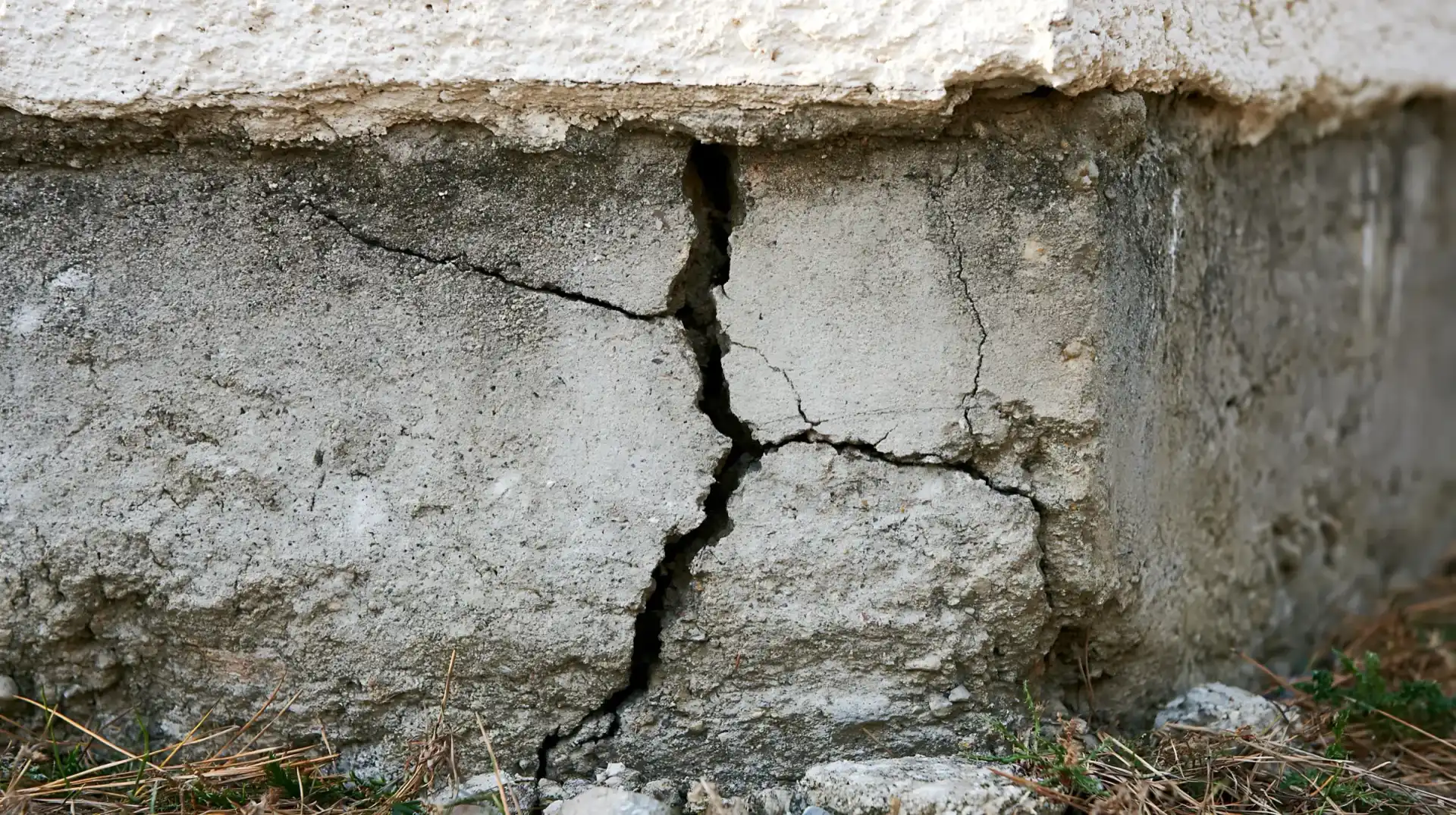
Slab foundation repair in Longview
The most common repair on the city's 1960s and 70s brick ranch homes: steel or concrete piers pressed down until they hold, then a slow lift.
Slab foundation repair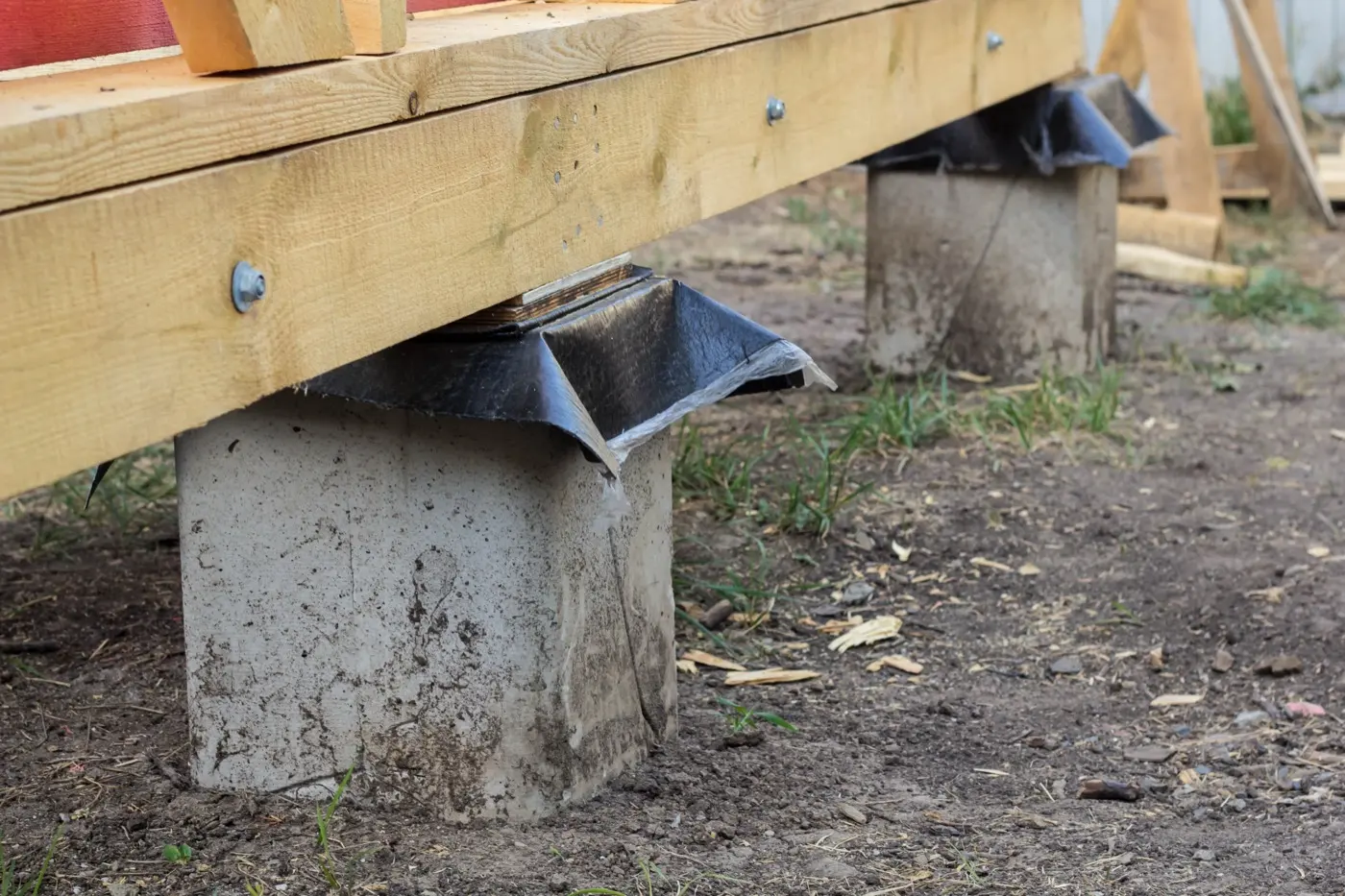
Pier and beam repair in Longview
Crawl-space homes near downtown and in Greggton: new supports and steel shims, with rotted beams replaced from underneath.
Pier and beam repair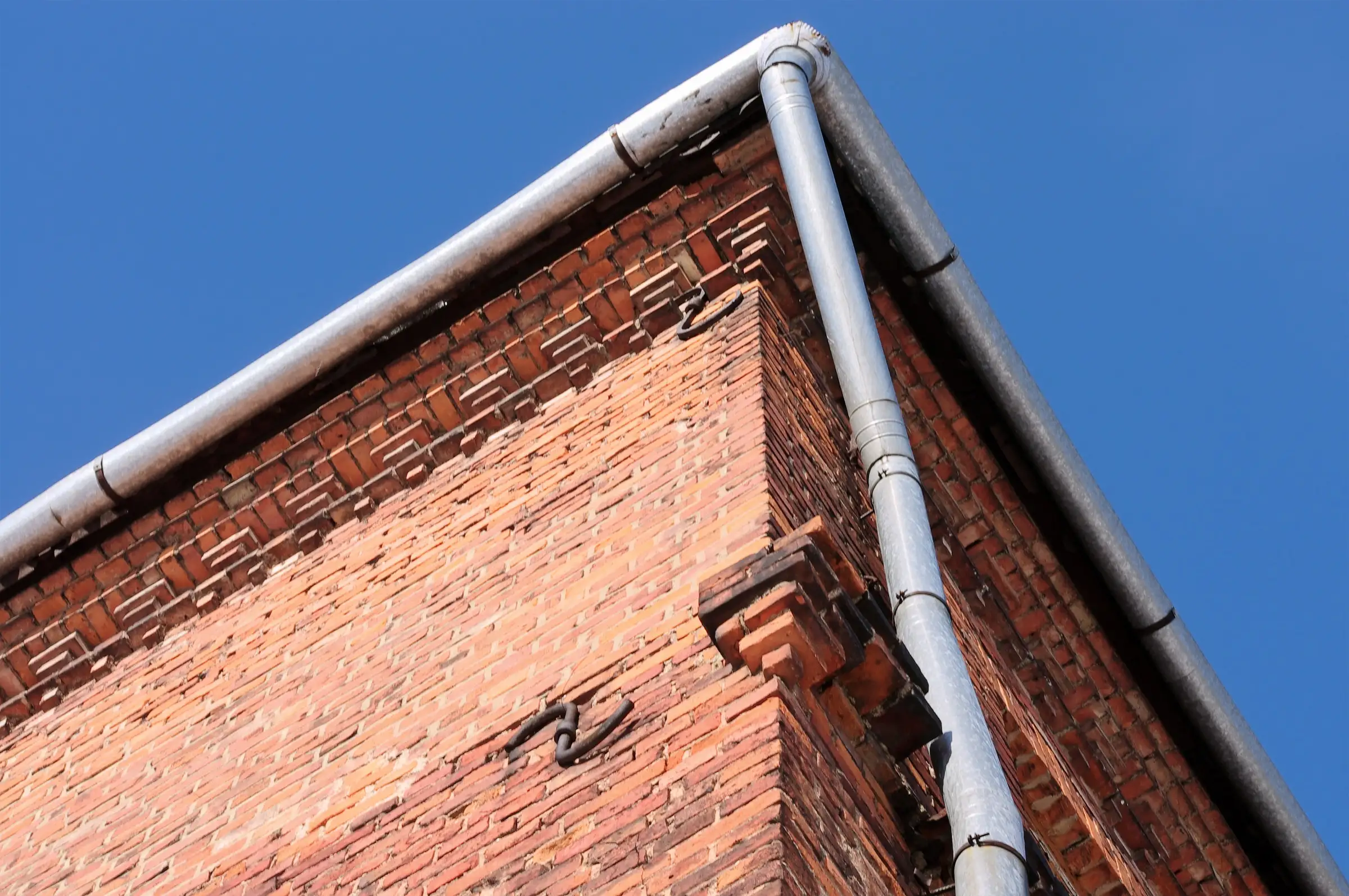
Foundation drainage in Longview
For low ground near the Sabine: regrading and French drains that keep water out from under the house.
Foundation drainage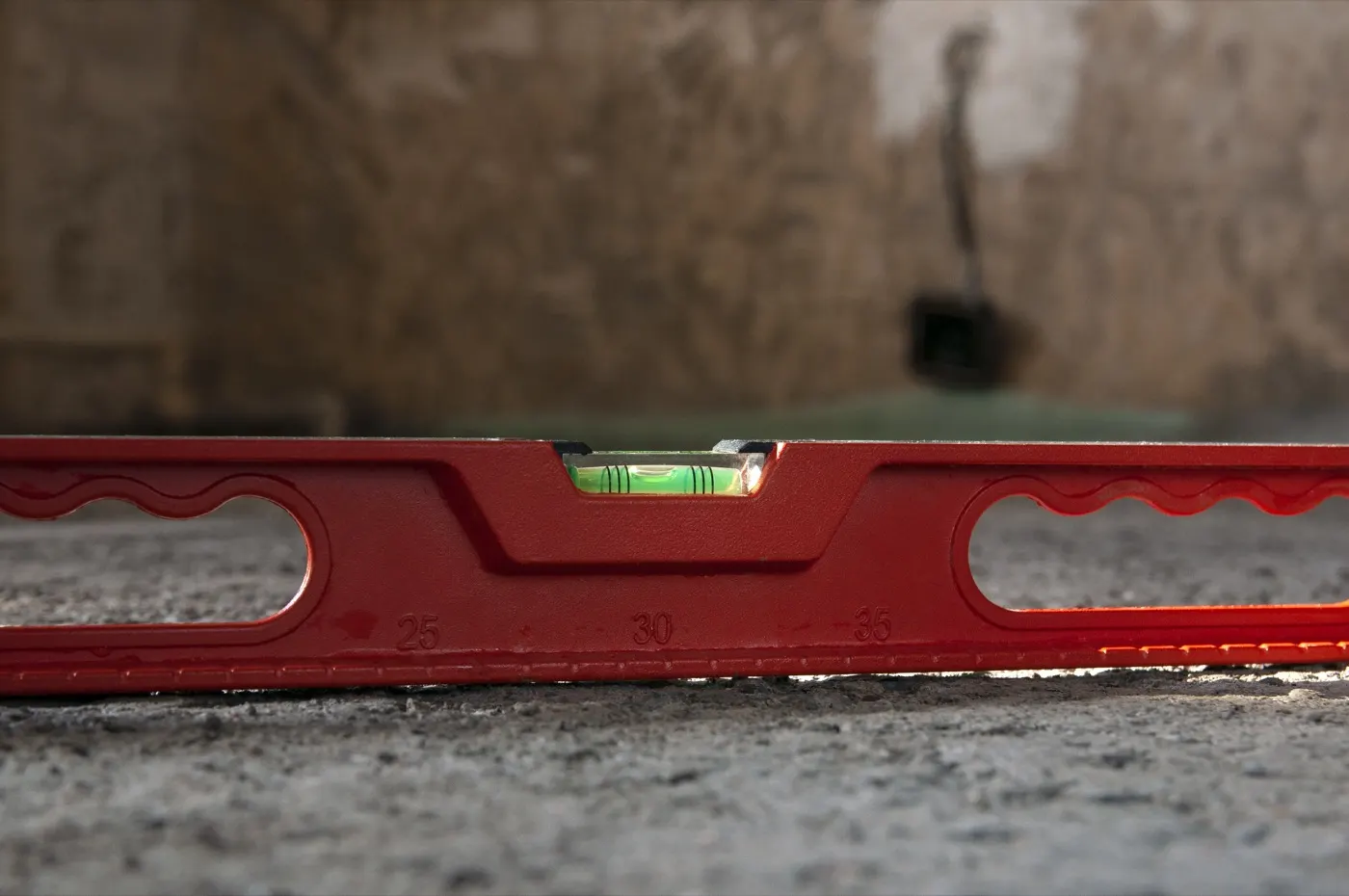
House leveling in Longview
House leveling in Longview for sloping floors, done in small lifts with readings before and after.
House leveling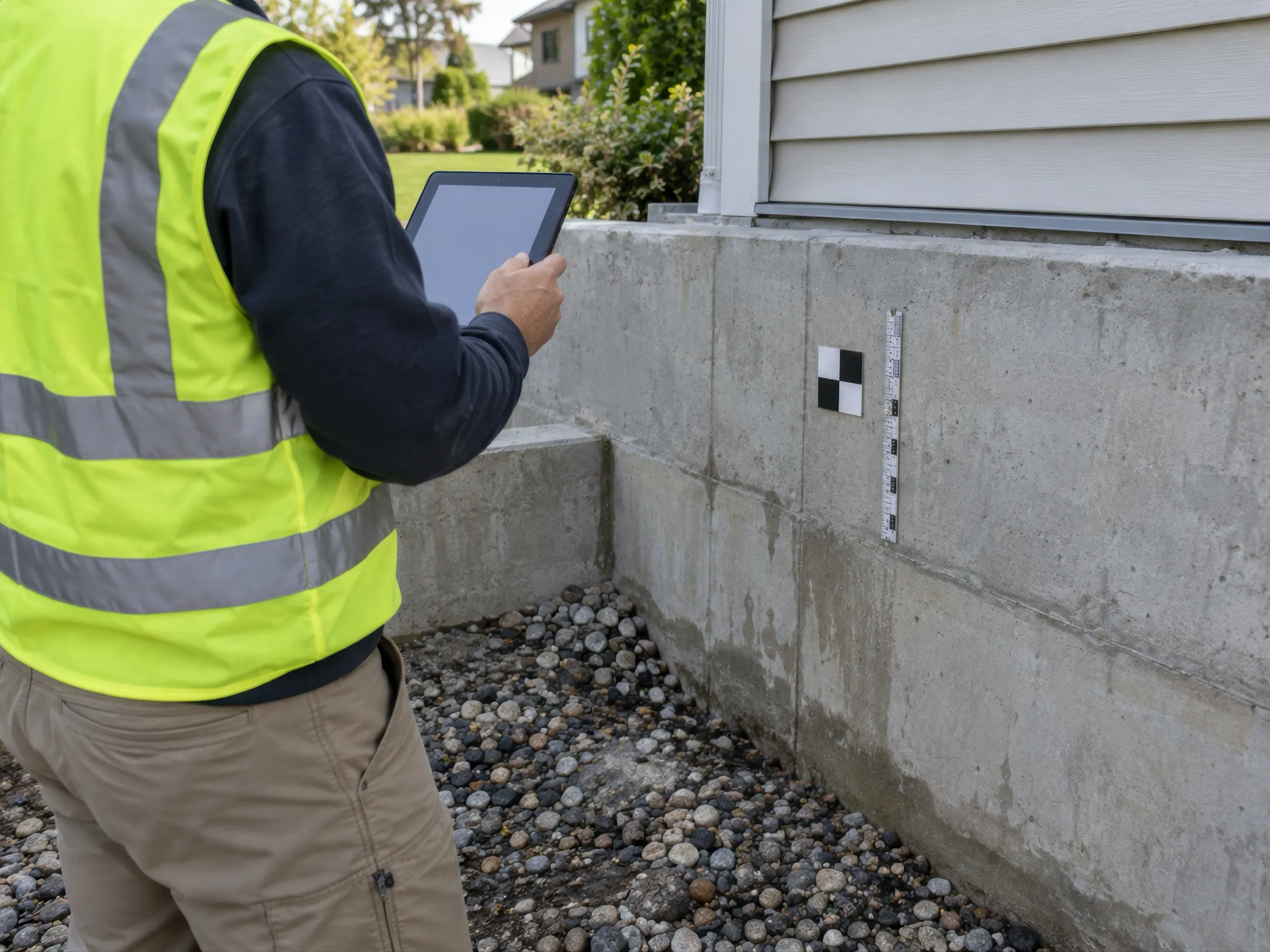
Foundation inspections in Longview
Floor readings and the likely cause, explained before you buy, sell or sign a repair quote. It's a specialist's evaluation, not a TREC home inspection.
Foundation inspectionsWater under the house, cracked brick or a soft floor? Describe it and a specialist will tell you what it likely needs. Expect a call back, usually within one business day.
(903) 522-4592Get a call backFoundation problems Longview homeowners call about most
Longview, the largest city on the Sabine in East Texas, has its own mix of houses and ground. Most calls come down to one of six problems, and most homes have one or two of them, not all six.
Brick cracks on 1960s and 70s ranch homes
Four in ten Longview homes went up between 1960 and 1979, most of them brick on a slab. Stair-step cracks at the corners are among the most common complaints.
Sloping and bouncy floors in older homes
Crawl-space houses in central Longview and Greggton develop soft spots and slopes as old piers settle and wood shims crush.
Wet crawl spaces after spring storms
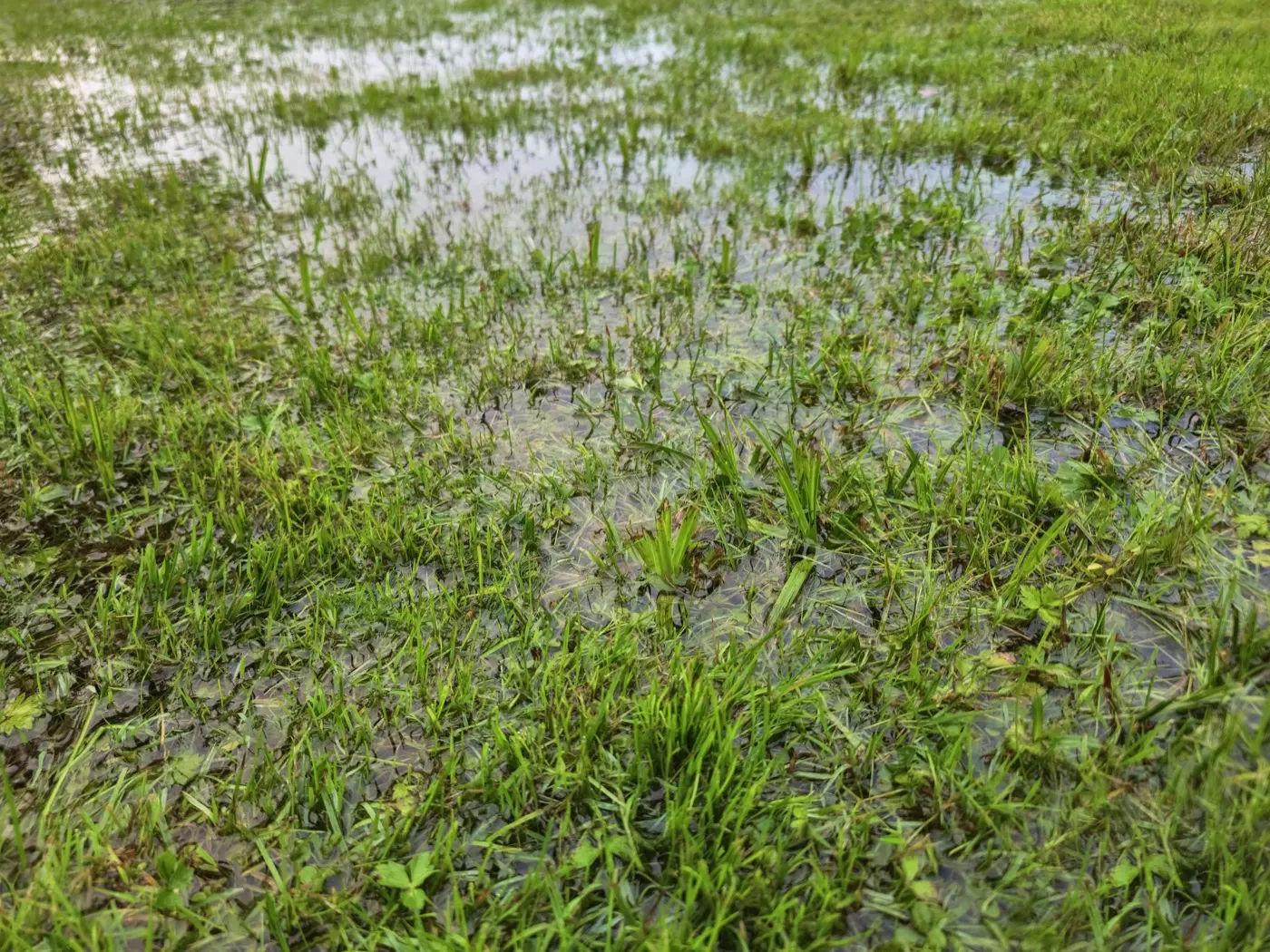
Longview's heaviest rain comes in spring. Water that runs under a pier and beam house softens the soil and rots the beams above it.
Doors that stick after a dry summer
When the clay dries out in August, slab edges drop and door frames go out of square. Many first notice it after a long hot spell.
Movement on low ground near creeks
Homes toward the Sabine River and its creeks sit on heavy clay that swells and shrinks more than the soil on higher ground.
Additions that pull away
A den or garage added later, often on a lighter foundation, settles at a different rate and cracks where it meets the house.
Recognize your house in one of these? Give us a quick call. A specialist who knows these neighborhoods can often tell you over the phone whether it needs a visit.
Call (903) 522-4592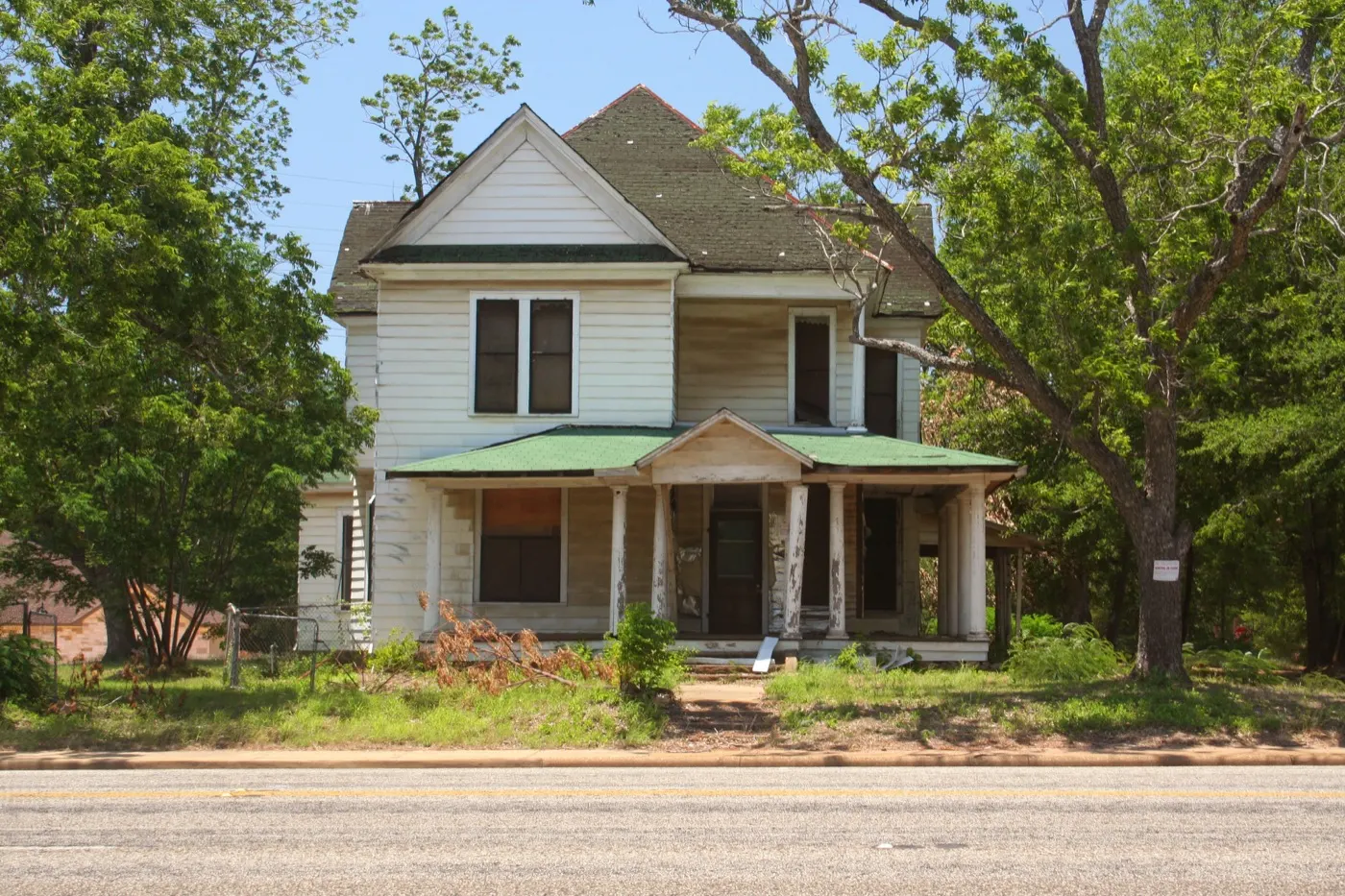
Where Longview's older homes are
Longview grew in bursts. The East Texas oil field came in on October 3, 1930, and Gregg County's population rose more than 500 percent by 1940. Much of the older housing went up in the central neighborhoods around downtown during and after that boom, and in Greggton on the west side. The city's own historic survey dates some of those streets: Mobberly Place filled in after the oil strike, Nugget Hill was platted in 1931 and is now on the National Register, and Green Acres was laid out in 1938 and filled with frame and brick houses after the war.
The biggest wave came later. About four in ten Longview homes were built between 1960 and 1979, and only about 1 in 7 before 1960. So most Longview houses sit on a slab, with pier and beam homes clustered in the older central areas. Spring Hill, annexed in 1983, and the newer subdivisions are mostly slab.
Low ground near the Sabine River and its creeks
The Sabine River runs just south of where I-20, US 80 and US 259 meet, and Longview is the largest city on it. The floodplain clays along the river and its creeks, like the Estes and Gladewater soils, have high to very high shrink and swell. In a dry spell those clays split into cracks as wide as two inches.
That's why drainage comes up on so many Longview jobs. Keeping water moving away from the house, and out of the crawl space, often does as much as the foundation repair itself. Foundation drainage solutions
Longview's weather and your foundation
Longview gets a little more rain than Tyler and just as many hot days, which keeps the clay under its homes swelling and shrinking through the year.
Find out what's moving under your house
Local specialists cover Longview, Kilgore, White Oak, the rest of Gregg County and Hallsville just over the Harrison County line. Get the readings and a written plan before anyone quotes piers.

Permits and utility locates in Longview
- Permits. Building permits in Longview go through the Building Inspection office at 410 S. High St. Contractors file through the city's Permit Portal and book inspections on an automated line, 903-239-5598. A homeowner pulling a permit for their own home goes in person or calls. Foundation repair isn't listed as its own permit type, so have whoever does the work confirm what's needed, or call the office at 903-237-1074.
- Historic properties. A city landmark or a house in a historic overlay needs a Certificate of Appropriateness before any work starts. Ask Planning and Zoning at 903-237-1072 if you're not sure.
- Registered contractors. Contractors working in Longview register with the city and post a bond. It's $25,000 for home builders and $50,000 for combination contractors. It's a fair question to ask anyone quoting your job.
- Utility locates. Before anyone digs a pier hole, Texas 811 has to be notified two working days ahead. Locators mark the public utility lines, not your sprinkler system or other private lines.
- Flood maps and drainage. The city's Floodplain Administrator (903-237-1362) reviews work in and next to the floodplain, and anyone can look up a lot on the city's FEMA flood hazard map. A clogged ditch or storm inlet near the house goes to Public Works Drainage through CitySend or 903-237-1240, and a water or sewer leak at the street to the 24-hour line, 903-236-3030.
- Rural Gregg County. Homes outside the city limits usually don't need a county building permit for repair work. Floodplain and HOA rules may still apply.
Foundation repair around Longview
Longview specialists also work the towns along I-20 and US 80. The older oil towns see more crawl-space work; the newer ones mostly need slab repair.
Pier and beam repair, re-shimming and crawl-space work for older oil-boom era homes, plus slab repair in the newer neighborhoods.
Slab foundation repair, leveling and drainage for the brick ranch homes along US 80 between Longview and Kilgore.
Slab repair, drainage and foundation readings for the newer homes east of Longview, including first-time buyers checking a house before closing.
Questions about foundation repair in Longview
Talk it through with a local foundation specialist. We'll call you back, usually within one business day.
(903) 522-4592Get a call backWater collects in my crawl space after rain. Is my foundation in trouble?
Not yet, but it's the most common start of pier and beam problems in Longview. Wet soil softens under the piers and wet wood rots. Fix the water first with gutters, grading or a drain, then have the piers and beams checked.
Does one crack mean my whole foundation is shot?
Almost never. Most Longview foundation problems affect one part of the house, usually a corner or one wall. A full inspection with floor readings shows how much has moved and how small the fix can be.
My house is near a creek. Does that change anything?
Often, yes. Low ground near the Sabine River and its creeks tends to have heavier clay and wetter soil, so drainage matters more and readings should be checked across the whole house.
Is a permit needed to fix a foundation in Longview?
Usually the contractor handles it. Residential contractors register with the city, and permits go through Building Inspection at 903-237-1074. Foundation repair isn't listed as its own permit type, so ask the company to confirm before work starts. Homeowners can pull a permit for their own home, but that one is done in person rather than online.
Do you cover Kilgore, White Oak and Hallsville?
Yes. The same specialists work the towns along I-20, including Kilgore's oil-boom neighborhoods, White Oak and Hallsville just over the Harrison County line. Farther out, the towns across Smith and Gregg counties are listed by county. If you are not sure your street is covered, call and ask.