
- Home
- Foundation drainage
Foundation Drainage in Tyler, Longview & East Texas
Homeowners in Tyler, Longview and nearby East Texas towns come to Sabine Valley Foundation Repair for foundation drainage and yard drainage work that stops water from moving the house. Good drainage keeps rain and runoff from soaking the soil under your house, using downspout extensions, regrading, gutters, French drains and root barriers. A local drainage specialist looks for where the water is getting in, and a good plan deals with that first, so you don't pay for foundation repair twice.
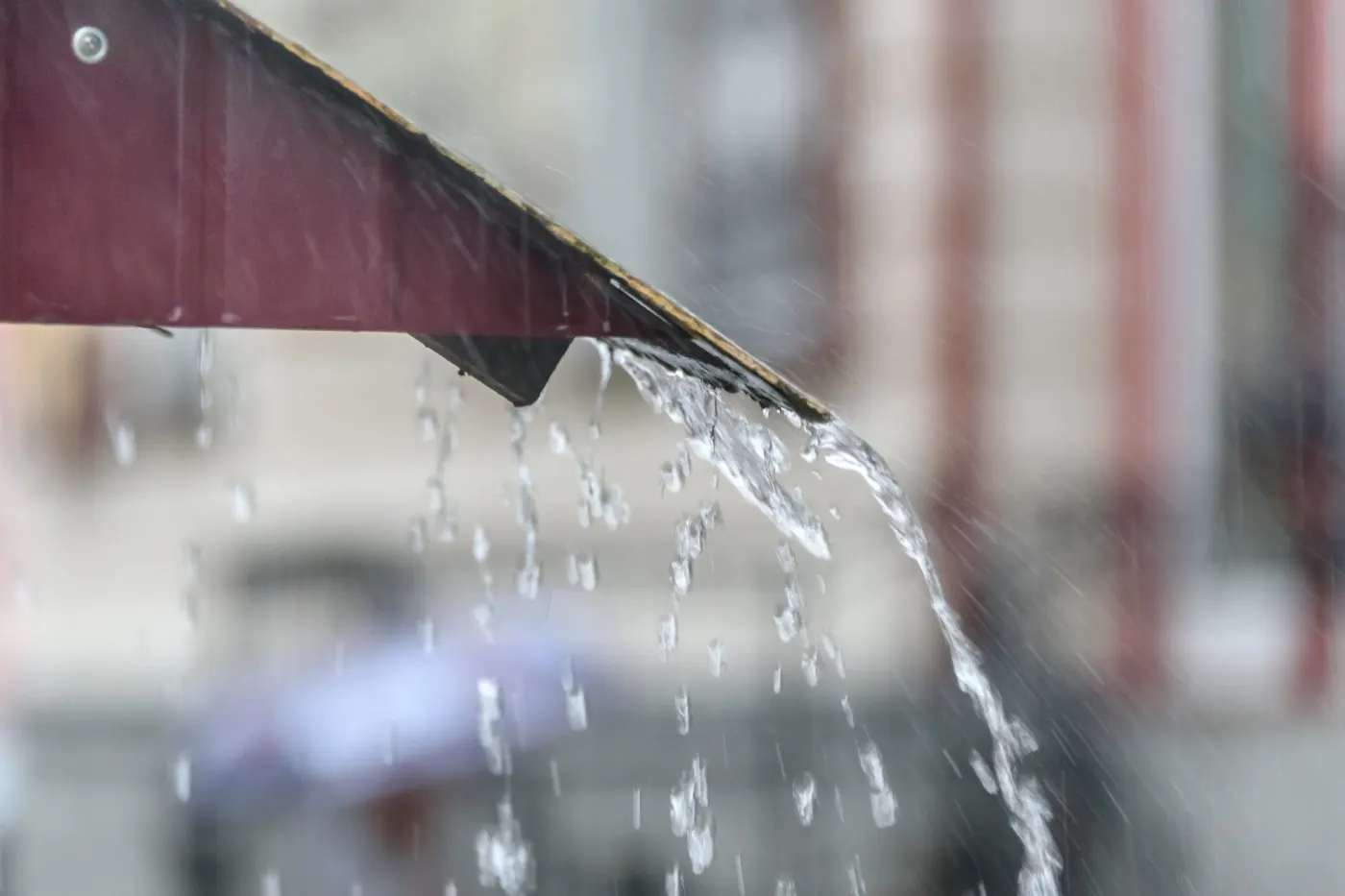
Why yard drainage matters for East Texas foundations
Around Tyler and Longview, most homes sit on sandy soil over a clay subsoil. The clay swells when it's wet and shrinks when it dries. That only damages a foundation when one part of the house gets much wetter or drier than the rest, and water is almost always what makes the difference.
Tyler gets about 42 inches of rain a year and Longview about 45, with the heaviest months in May and June. A single downspout or a flowerbed that slopes toward the wall can put that rain into one corner of the slab, year after year. Directing that water away is often the cheapest way to protect a foundation there is.
Where water gets at your foundation
Walk around your house after a heavy rain. Most drainage problems around the foundation come from one of these, and most houses in Tyler and Longview have more than one.
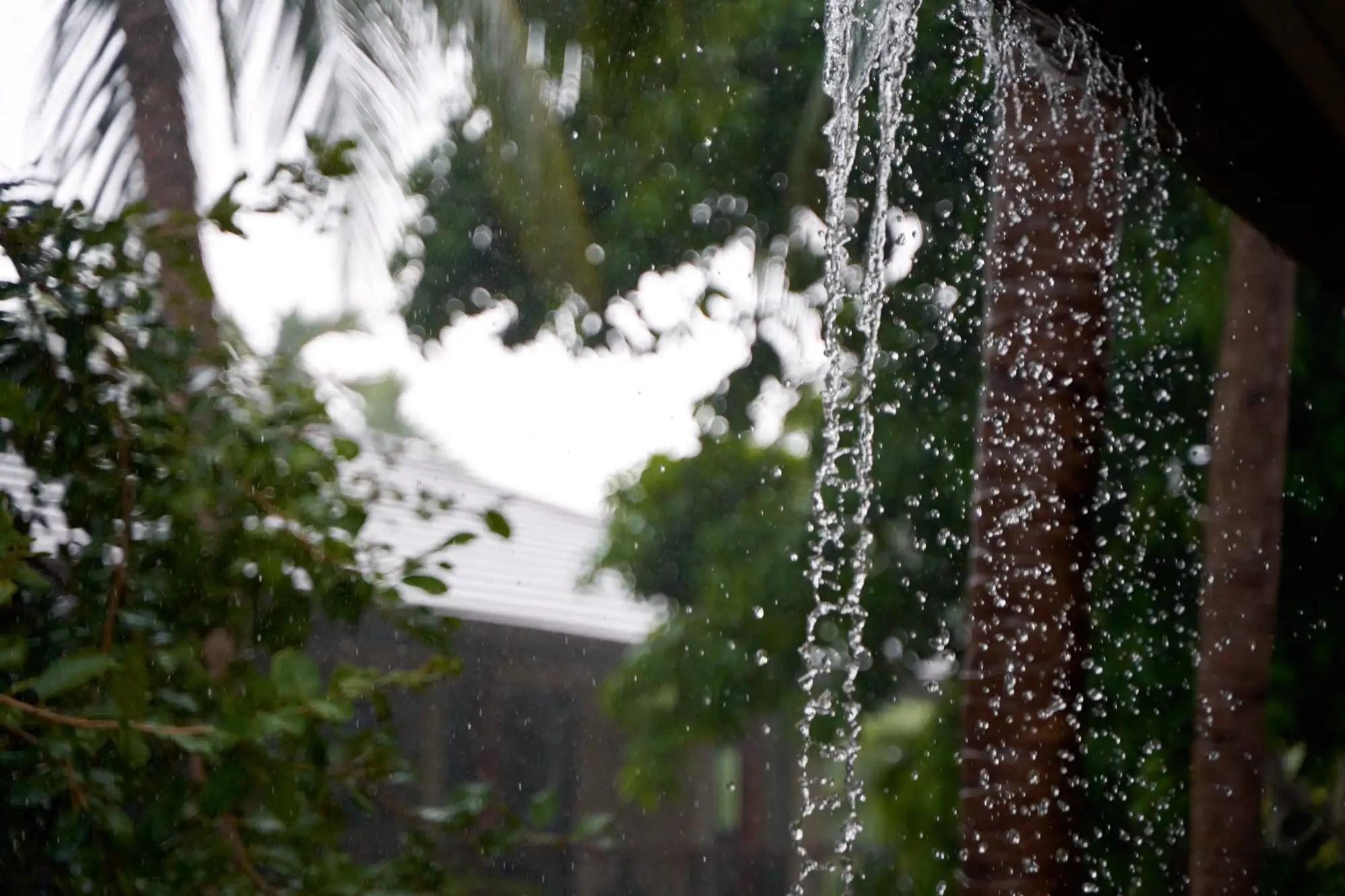
Downspouts dumping at the wall
A downspout that empties right at the foundation puts a whole roof section's rain into one spot. That corner is often the first to crack.
A yard that slopes toward the house
Flowerbeds built up over the years, settled backfill or a new patio can leave the ground draining back toward the foundation.
Sprinkler heads hitting the brick
Heads set too close spray the wall every morning. Water soaks the soil at the slab edge and gets behind the brick.
AC condensate and leaky hose bibs
A condensate line or a dripping faucet adds water to the same small patch of soil every day of the summer.
Low lots near creeks
Homes on low ground toward the Sabine River and its creeks sit on wetter, heavier clay that holds water longer after a storm.
Big trees close to the house
A large oak or pine pulls moisture out of the soil on one side, and that side dries and drops faster in a long summer.
Seeing water collect near the house? Tell a local drainage specialist what you're seeing. They'll tell you whether it's a simple fix or worth a visit, and usually call back within one business day.
Call (903) 522-4592Foundation drainage solutions, simplest first
A good exterior drainage system starts with the cheap fixes and only adds trenches and pipe where they're needed. Here's how the common options compare.
Drainage vs foundation repair: when you need each
Water causes the movement. Piers hold up a slab that has already settled. Some houses need one, some need both.
Cracks open and close with the seasons, readings show little settling, and you can point to where the water collects.
One area has clearly dropped, cracks keep growing, and doors stay stuck year-round. Fix the water first so the repair holds.
After the water is under control, most remaining settling tends to happen within the first couple of years. Watching cracks through a full summer and winter is a sensible step before paying for piers. Slab foundation repair
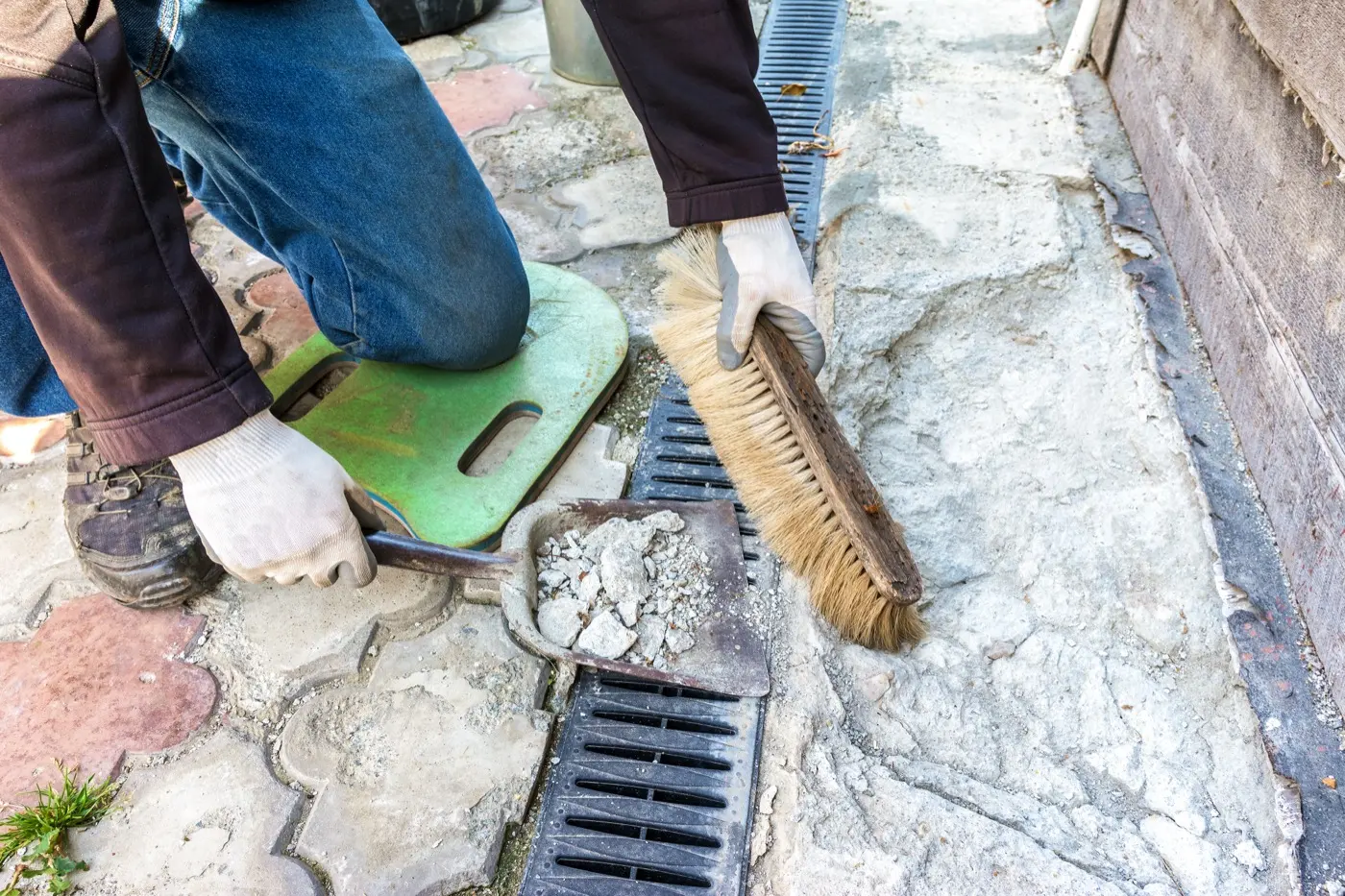
How a foundation drainage job is done
Drainage work is mostly outside and usually takes a day or two. The plan should be built around where your water actually goes, not a standard package.
- 1
Walk the whole lot
The specialist checks gutters, downspouts, grading, sprinklers, AC lines and low spots, and looks at where cracks have shown up in the house.
- 2
Watch where water goes
Stains, erosion, dead grass and wet soil show where water collects. A hose test or a look after rain confirms it.
- 3
Written drainage plan
You get a plan that starts with the simplest fixes and only adds drains where the simple fixes won't do the job.
- 4
811 call before digging
Texas 811 is called at least 48 hours before trenching. Private lines like sprinklers are located separately.
- 5
Install and regrade
The drainage system is installed: extensions, drains and pipe go in, the ground is reshaped to fall away from the house, and disturbed areas are re-sodded.
- 6
Check it in the rain
The first good storm shows whether water is leaving the foundation. Small adjustments are easy at this stage.
What affects the cost of foundation drainage
Yard drainage is usually the least expensive part of protecting a foundation in Smith and Gregg counties, and sometimes it's the whole fix. Ask for the plan and price in writing after the walk-around.
Extensions and regrading cost far less than trenching French drains.
Longer runs to the street or a low spot add trenching and pipe.
Flat lots and heavy clay take more work to move water off the property.
Sod, beds, walkways and sprinklers disturbed by the work get put back.
Fix the water before you pay for piers
A drainage walk-around shows where water is reaching your foundation. It's the first step in any repair that lasts.
Foundation drainage questions
Talk it through with a local foundation specialist. We'll call you back, usually within one business day.
(903) 522-4592Get a call backHow far should water drain away from a foundation?
The building code most Texas cities use, including Tyler, calls for the ground to fall at least 6 inches within the first 10 feet from the house. Downspouts should empty several feet out, beyond any flowerbeds against the wall.
Do gutters stop foundation problems?
Only if the downspouts carry the water away from the foundation. Gutters that empty at the wall just move the problem to the corners. And gutters added after a slab has settled won't lift it back, they stop it getting worse.
Is a French drain worth it?
Where water moves through the soil along a wall, or pools after every rain, yes. Where the problem is a downspout or a bed sloping toward the house, a simpler fix usually does the job for much less.
Can drainage fix foundation cracks that are already there?
Drainage stops the movement that causes cracks, and some seasonal cracks close once the soil stays steady. Cracks from a slab that has already settled usually need patching, and sometimes piers, after the water is under control.
Should I water my foundation in a drought?
In a long dry spell, light, even watering around the house keeps East Texas clay from shrinking away from the slab. Overwatering does as much harm as drought, so aim for steady, not soaked.
Do drainage problems affect pier and beam homes too?
Yes. Water under a pier and beam house softens the soil the piers sit on and rots the beams above it. Keeping the crawl space dry is one of the best things you can do for an older home. See pier and beam foundation repair.
When drainage isn't the whole fix
If part of the house has already dropped, drainage is step one. These services handle what the water has already moved.
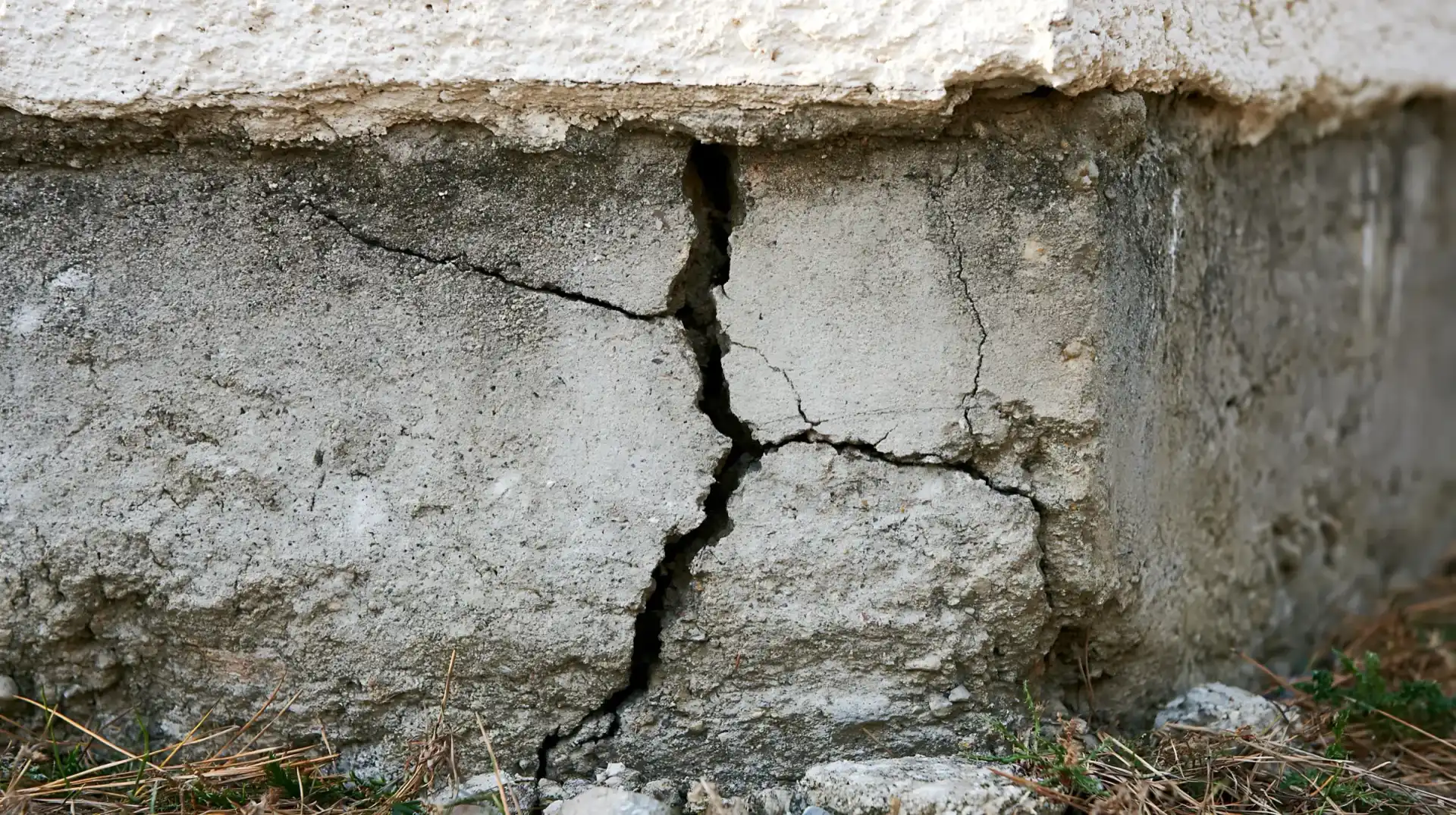
Slab foundation repair
Piers driven to firm soil under a concrete slab that has settled.
Slab foundation repair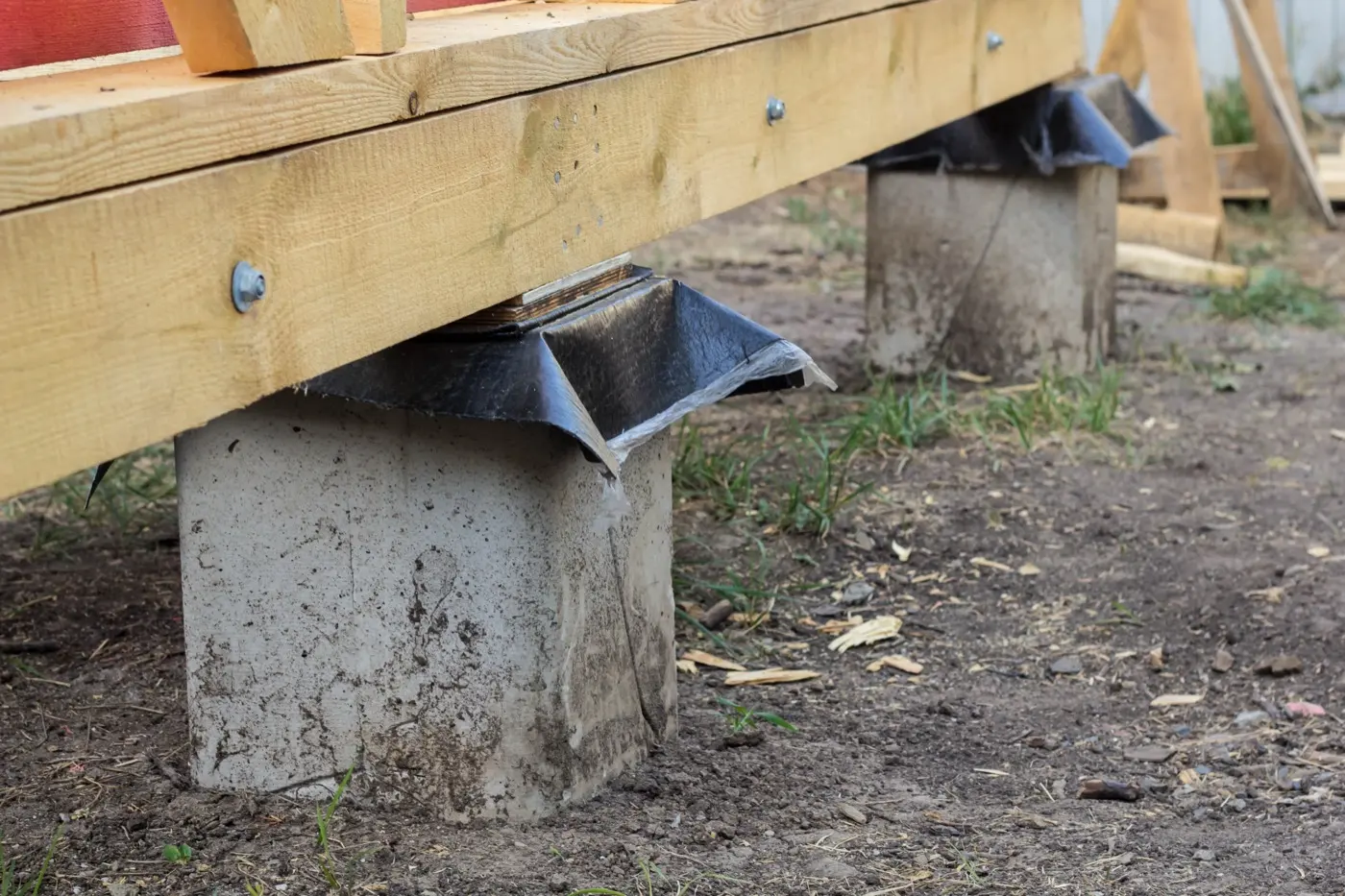
Pier and beam foundation repair
Re-shimming, new supports and rotted beam replacement over a wet crawl space.
Pier and beam foundation repair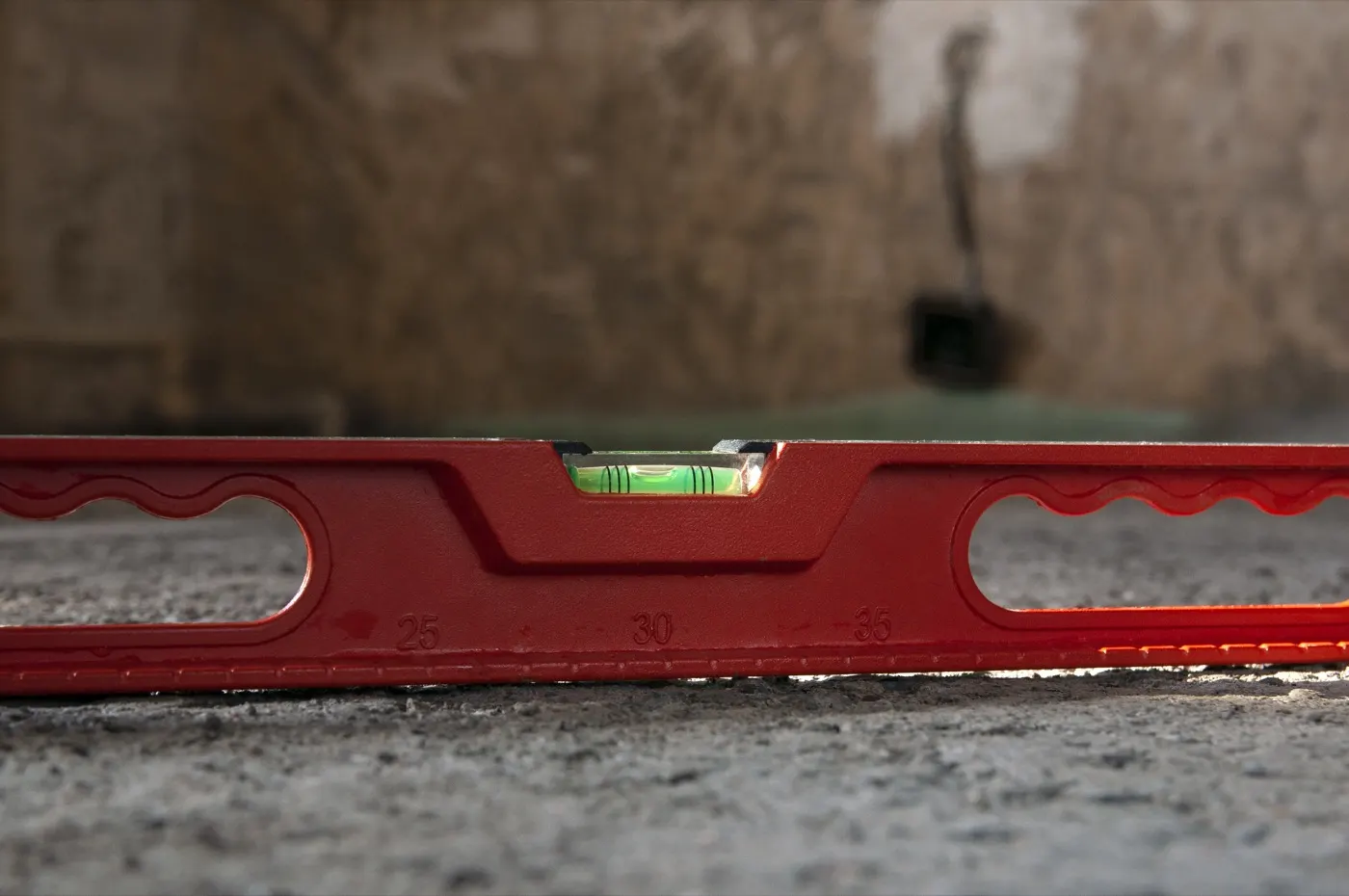
House leveling
Floors brought back toward level once the water is under control.
House leveling